
From concept to product
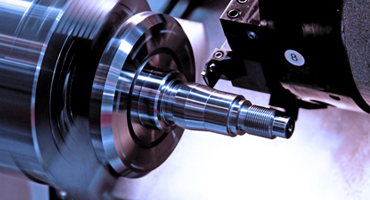
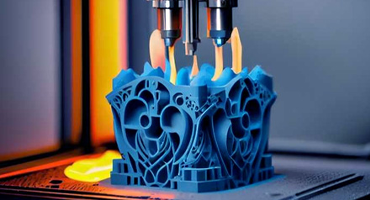
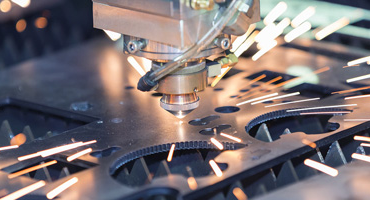
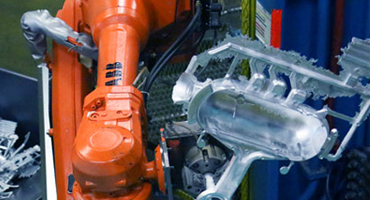
From prototyping to production, our production sites can handle all your manufacturing projects.
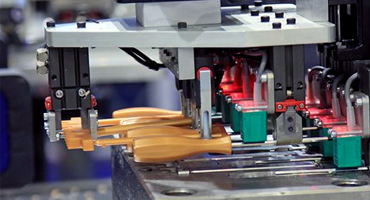
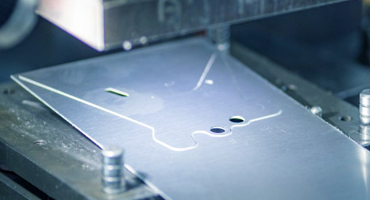
Powder Coating: Durable Color Meets Functional Protection
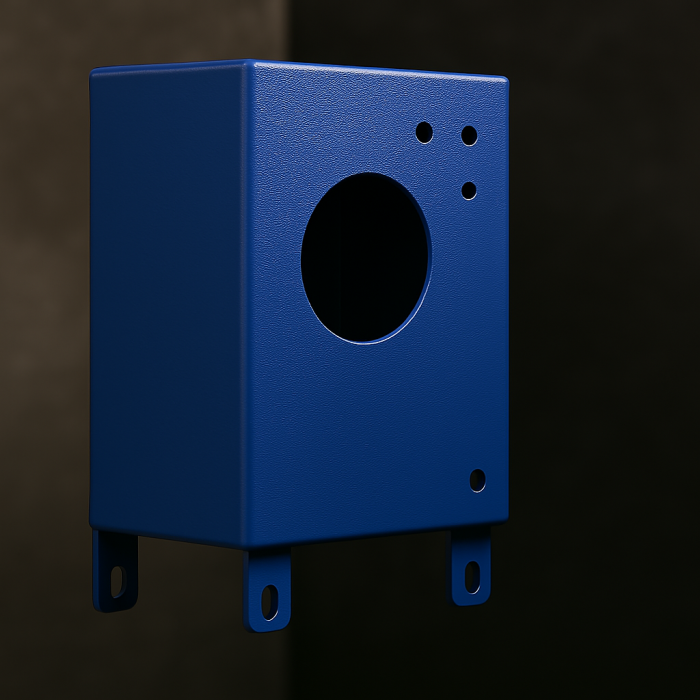
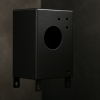
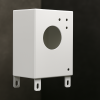
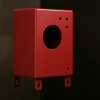
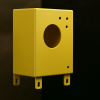
Powder coating services is a high-performance surface finishing technique that applies dry powder to metal or plastic components using electrostatic attraction. Once cured under heat or UV light, it forms a tough, uniform layer that resists corrosion, scratches, and fading—while offering vibrant color and texture options.
Detail Information
Anodizing is an electrochemical process that enhances metal surfaces by forming a controlled oxide layer. It improves corrosion resistance, wear durability, and visual appeal—especially for aluminum components. Suitable: Aluminum, titanium, magnesium, zinc Not Recommended: Carbon steel, stainless steel (unless pre-treated), plastics At SOMI, anodizing is more than protection—it’s precision with personality. We offer custom color-matched finishes, hybrid treatments, and aerospace-grade durability for components that perform and impress.
⚙️ Anodizing: Durable Beauty Through Electrochemical Precision
🧩 What Is Anodizing?
🔁 Process Workflow
🧪 Common Types of Anodizing
Type
Description
Oxide Thickness
Type I (Chromic Acid)
Thin, soft layer for aerospace
~0.5–2.5 μm
Type II (Sulfuric Acid)
Standard decorative finish
~5–25 μm
Type III (Hard Anodizing)
Thick, wear-resistant layer
~25–150 μm
🎨 Color & Finish Options
🎯 Application Areas
💡 Technical Features
🔍 Pros vs. Cons
Advantages
Limitations
Durable oxide layer
Limited to non-ferrous metals
Vibrant, fade-resistant colors
Requires precise control
Lightweight protection
Not ideal for steel
Excellent paint adhesion
Color depends on alloy
🛠️ Compatible Materials
🔗 Related Surface Treatments
Process
Comparison to Anodizing
Electroplating
Metal layer added; better conductivity
Powder Coating
Thicker, flexible finish
Passivation
Chemical protection for stainless steel
Electroless Plating
Uniform metal layer on non-conductive surfaces
💬 SOMI's Surface Engineering Vision
Related Products


Review
- 加载中···
We are committed to providing full-process services from prototyping to mass production. We provide rapid prototyping services to ensure that your design can be realized accurately and efficiently.
We hope to discuss potential cooperation opportunities with you and ask you to provide quotation information for your project. Looking forward to your reply and working with you to promote the success of your project!
- *Name
- *Phone
- *Title
- *Content
From concept to product
From prototyping to production, our production sites can handle all your manufacturing projects.
subscription