
From concept to product
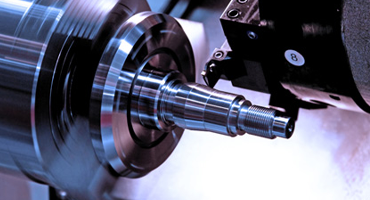
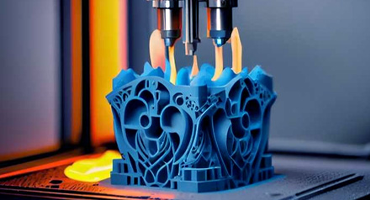
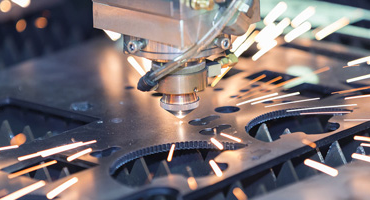
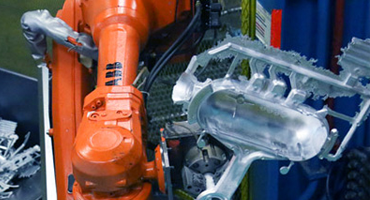
From prototyping to production, our production sites can handle all your manufacturing projects.
Injection Molding Materials
Home / Injection Molding Materials
Materials
Injection Molding Optional Materials
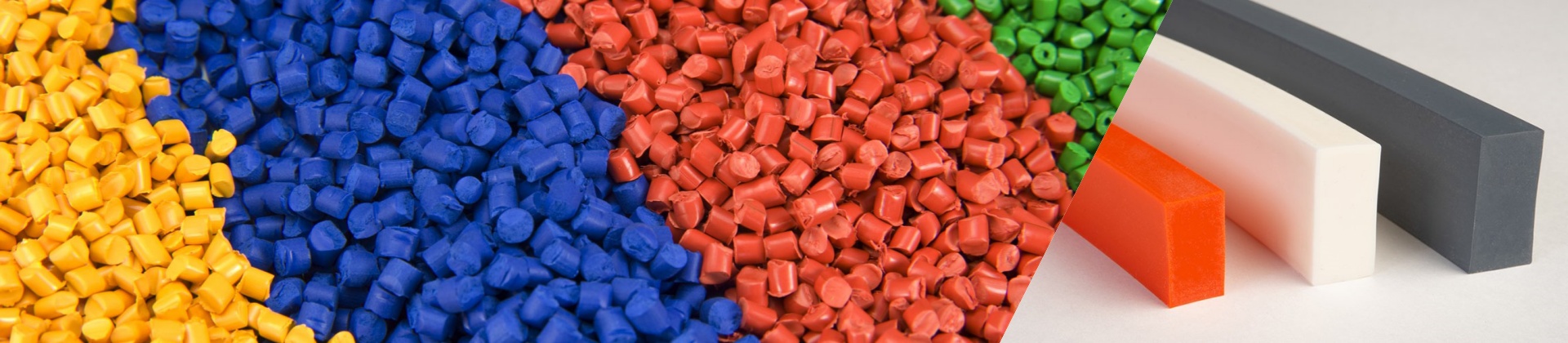
SOMI is able to provide a variety of raw material processing and customization services according to the specific needs of customers. We offer flexible and efficient solutions for both small and large-scale production. Understanding the raw materials we can process can help you better choose the right materials for your project. If the following are not the materials you need, please comment when submitting the inquiry information.
- Plastics
- Silicone Rubber
Plastics Injection Molding
PP
Introduce:
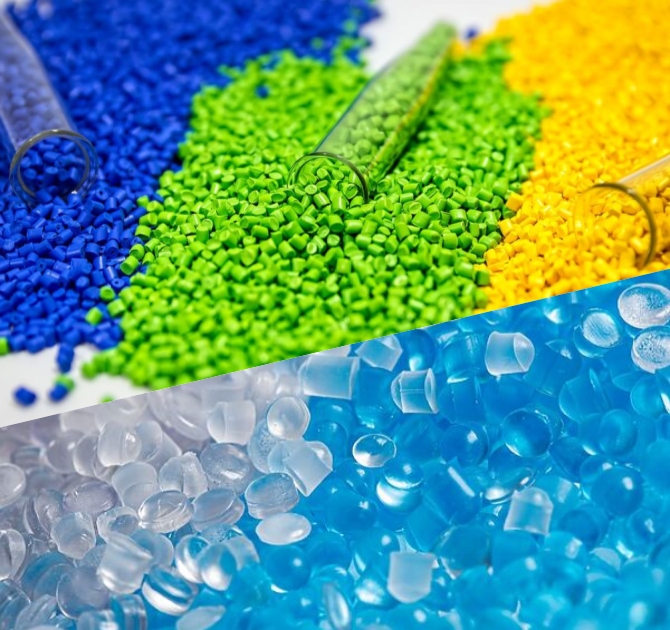
PP (Polypropylene) has excellent resistance to moisture and chemicals, impressive impact strength and good elasticity.
PC
Introduce:
PC – Polycarbonate is a naturally transparent plastic with high strength and durability on impact. It is shatter resistant and heat resistant
PE
Introduce:
PE (Polyethylene) has good strength ratio. It is resistant to chemicals, impermeable and exhibits good electrical
LDPE
Introduce:
LDPE is the most flexible member of the polyethylene family. It offers good resistance to stress and pliability with good strength.
POM
Introduce:
POM is an easy resin for molding. It has a relatively high tensile strength as well as high resistance to wear, creep and warp.
Nylon PA 6/6
Introduce:
PA 6/6 is the most common variant of nylon used for engineering applications. It has a high melting temperature.
PEEK
Introduce:
PEEK is used in the production of components such as tubes, bearings, seals, valves, electric insulation and even medical implants.
HDPE
Introduce:
HDPE is light in weight with high strength. It is resistant to chemicals and heat, impermeable and has good electrical insulation.
ABS
Introduce:
ABS (Acrylonitrile Butadiene Styrene) is a thermoplastic material widely known for its high resistance to impact and toughness.
PC-ABS
Introduce:
PC – ABS Polycarbonate blends the ease of processing of ABS with the high strength and mechanical properties of PC.
PBT
Introduce:
Polybutylene terephthalate(PBT) has excellent resistance to abrasion and creep. It has a low coefficient of friction and a low moisture absorption
Silicone Rubber
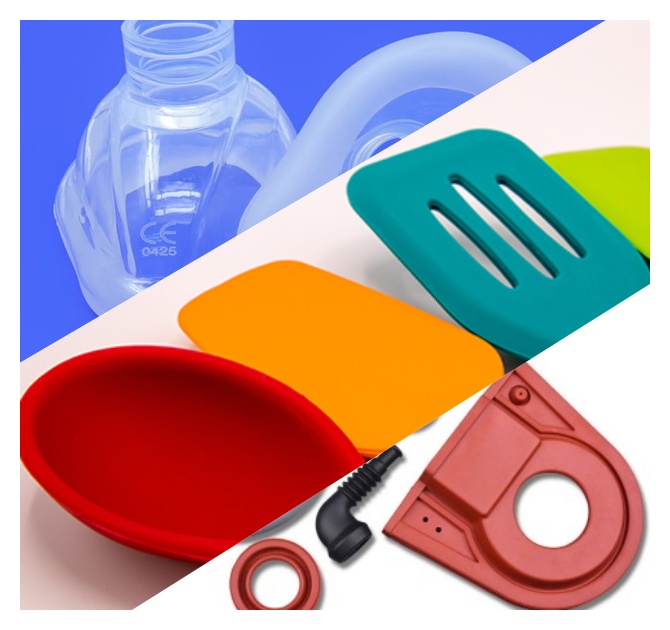
High-Temperature Silicone
Features:
Designed to withstand high temperatures, this silicone is often used in cooking and baking applications, such as baking mats and molds.
Medical-Grade Silicone
Features:
Non-toxic and biocompatible, this silicone is used in medical devices, implants, and other healthcare applications.
Liquid Silicone Rubber (LSR)
Features:
A versatile material that can be molded into intricate shapes, LSR is commonly used in consumer products, automotive parts, and kitchenware.
Nitrile Rubber (NBR)
Features:
Known for its oil and fuel resistance, NBR is commonly used in seals, gaskets, and hoses, particularly in automotive and aerospace industries.
Ethylene Propylene Diene Monomer (EPDM)
Features:
This rubber is resistant to heat, ozone, and weathering, making it ideal for roofing membranes, automotive weather stripping, and electrical insulation.
Styrene-Butadiene Rubber (SBR)
Features:
A synthetic rubber that provides good abrasion resistance and aging stability. It is widely used in tire manufacturing and various industrial applications.
FAQ
Frequently Asked Questions
If you have any further questions, please contact us. We look forward to working with you.
- What is the SOMI Partner Network?The SOMI Partner Network is a vetted group of specialised manufacturing factories in China, coordinated through one point of contact. Buyers get CNC machining, sheet metal fabrication, metal stamping, die casting, injection molding and 3D printing from one programme, with one engineering review, one quality route and one quotation instead of a supplier per process.
- What does it cost to join the SOMI Partner Network?Nothing is charged to join in either direction. A manufacturing partner pays no membership, listing or subscription fee, and a buyer pays nothing to use the network, only for the parts actually ordered. What does cost money is the work itself: samples, tooling, third-party testing, freight and any audit the buyer requests. Published commission-based sourcing agents charge 3 to 10 percent of order value for comparison.
- How do I join the SOMI manufacturing network?Buyers join in one step: send a drawing and the quotation workflow starts within 24 to 48 hours. Factories join through qualification - document review, an audit and sample validation - which takes two to four weeks for the review and audit, and six to fourteen weeks end to end when custom tooling is involved. Neither track carries a joining fee.
- What are the benefits of joining the SOMI manufacturing network?For a buyer the benefit is subtraction: one engineering review, one quotation, one inspection standard, one invoice and one point of accountability across six processes, instead of five vendor relationships. For a factory it is inbound work with no listing fee. The hidden surcharge of fragmented sourcing is around 20 percent of the quoted base price.
More Optional Materials for Custom Parts


Contact SOMI
Need Help?
We receive your drawings or design requirements, and the technical team reviews and quotes you as soon as possible.
Upload a CAD to start (STEP, STP, IGES, IGS, SLDPRT, 3DM, SAT or X_T).
If there is no drawing, please provide the product design requirements information, we will model and draw drawings for you tpo confirm.
Price updates in real-time as you change materials, lead times, and other order specifications.
We have the right to know the use of your products, to avoid products involving some sensitive issues.
We are committed to providing full-process services from prototyping to mass production. We provide rapid prototyping services to ensure that your design can be realized accurately and efficiently.
We hope to discuss potential cooperation opportunities with you and ask you to provide quotation information for your project. Looking forward to your reply and working with you to promote the success of your project!
- *Name
- *Phone
- *Title
- *Content
From concept to product
From prototyping to production, our production sites can handle all your manufacturing projects.
subscription