
From concept to product
From prototyping to production, our production sites can handle all your manufacturing projects.
Die Casting
Home / Die Casting
SOMI Capability
SOMI Die Casting Capability
At SOMI Company, we specialize in high-quality metal die casting, offering a diverse range of services including zinc alloy and aluminum alloy die casting. Our advanced manufacturing processes ensure that we meet the unique requirements of various industries, delivering precision-engineered components tailored to your specifications.
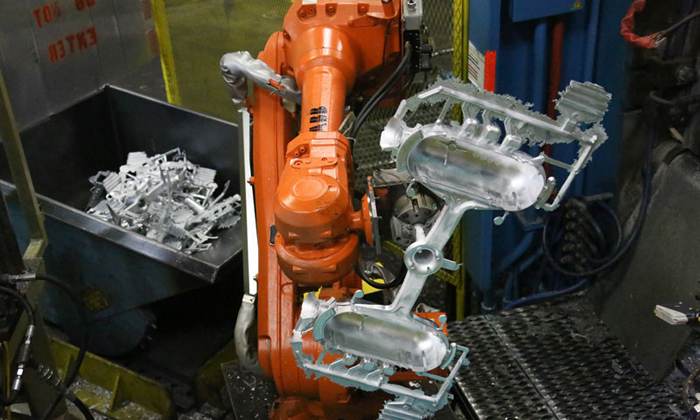
Zinc Alloy Die Casting
Zinc alloy die-casting is a manufacturing process that involves the injection of molten zinc alloy into a steel mold, or die, to create precise and complex parts. This technique is renowned for its ability to produce high-quality components with excellent dimensional accuracy, smooth surfaces, and fine details.
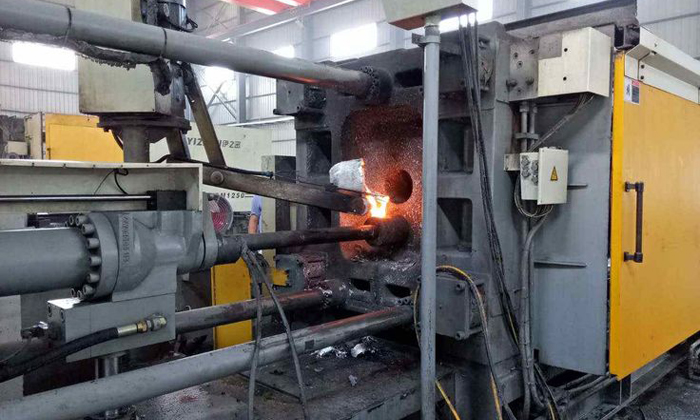
Aluminum Alloy Die Casting
Aluminum alloy die-casting is a manufacturing process that involves injecting molten aluminum into a metal mold, or die, to create high-precision components. This technique is widely used in various industries due to its ability to produce intricate shapes with excellent surface finish and dimensional accuracy.
CNC Machining
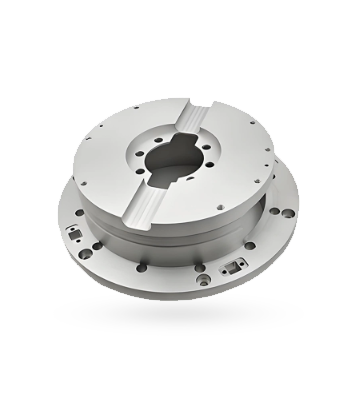
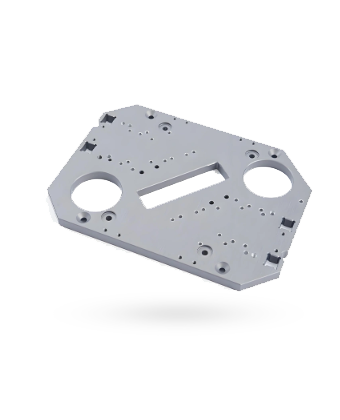
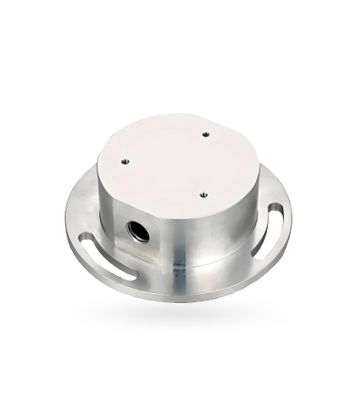
Show Custom Parts Machined by SOMI
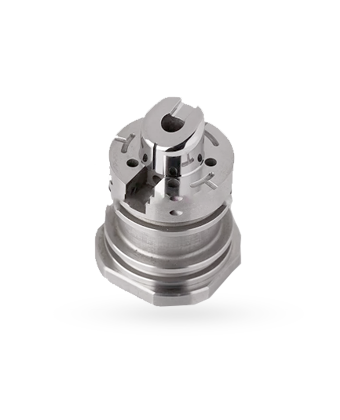
SOMI Die Casting
Die Casting Materials
SOMI's metal die casting service materials mainly include Zinc alloy and Aluminum alloy. Metal
Metal
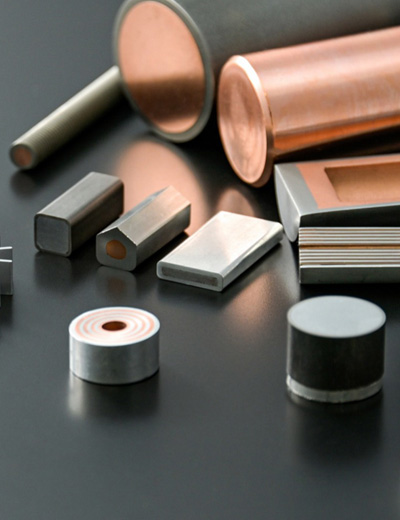

- Aluminum
Aluminum has a good strength-to-weight ratio, high thermal and electrical conductivity, low density and natural corrosion resistance. It is a highly malleable metal, making it easy to machining, can be anodized.
Type:1050,1060,2011,2024,5052,5051, 6061, 6063, 7075,7050

- Brass
Aluminum has a good strength-to-weight ratio, high thermal and electrical conductivity, low density and natural corrosion resistance. It is a highly malleable metal, making it easy to machining, can be anodized.
Type:1050,1060,2011,2024,5052,5051, 6061, 6063, 7075,7050

- Stainless steel
Aluminum has a good strength-to-weight ratio, high thermal and electrical conductivity, low density and natural corrosion resistance. It is a highly malleable metal, making it easy to machining, can be anodized.
Type:1050,1060,2011,2024,5052,5051, 6061, 6063, 7075,7050

- Copper
Aluminum has a good strength-to-weight ratio, high thermal and electrical conductivity, low density and natural corrosion resistance. It is a highly malleable metal, making it easy to machining, can be anodized.
Type:1050,1060,2011,2024,5052,5051, 6061, 6063, 7075,7050

- Mild Steel
Aluminum has a good strength-to-weight ratio, high thermal and electrical conductivity, low density and natural corrosion resistance. It is a highly malleable metal, making it easy to machining, can be anodized.
Type:1050,1060,2011,2024,5052,5051, 6061, 6063, 7075,7050

- Beryllium bronze
Aluminum has a good strength-to-weight ratio, high thermal and electrical conductivity, low density and natural corrosion resistance. It is a highly malleable metal, making it easy to machining, can be anodized.
Type:1050,1060,2011,2024,5052,5051, 6061, 6063, 7075,7050

- Alloy steel
Aluminum has a good strength-to-weight ratio, high thermal and electrical conductivity, low density and natural corrosion resistance. It is a highly malleable metal, making it easy to machining, can be anodized.
Type:1050,1060,2011,2024,5052,5051, 6061, 6063, 7075,7050

- Titanium
Aluminum has a good strength-to-weight ratio, high thermal and electrical conductivity, low density and natural corrosion resistance. It is a highly malleable metal, making it easy to machining, can be anodized.
Type:1050,1060,2011,2024,5052,5051, 6061, 6063, 7075,7050

- Tool steel
Aluminum has a good strength-to-weight ratio, high thermal and electrical conductivity, low density and natural corrosion resistance. It is a highly malleable metal, making it easy to machining, can be anodized.
Type:1050,1060,2011,2024,5052,5051, 6061, 6063, 7075,7050
 Plastic
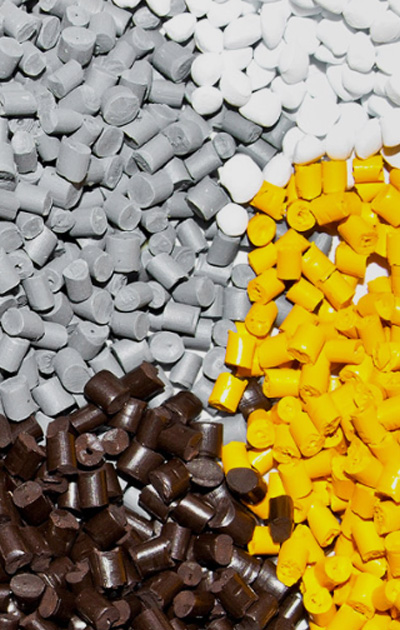

- ABS
It is a thermoplastic polymer material with high strength, good toughness, corrosion resistance, high temperature resistance.

- PVC
It is a thermoplastic polymer material with high strength, good toughness, corrosion resistance, high temperature resistance.

- POM
It is a thermoplastic polymer material with high strength, good toughness, corrosion resistance, high temperature resistance.

- Polypropylene(PP)
It is a thermoplastic polymer material with high strength, good toughness, corrosion resistance, high temperature resistance.

- Nylon
It is a thermoplastic polymer material with high strength, good toughness, corrosion resistance, high temperature resistance.

- PET
It is a thermoplastic polymer material with high strength, good toughness, corrosion resistance, high temperature resistance.

- PTFE(Teflon)
It is a thermoplastic polymer material with high strength, good toughness, corrosion resistance, high temperature resistance.

- FR-4
It is a thermoplastic polymer material with high strength, good toughness, corrosion resistance, high temperature resistance.

- Polycarbonate(PC)
It is a thermoplastic polymer material with high strength, good toughness, corrosion resistance, high temperature resistance.

- PMMA
It is a thermoplastic polymer material with high strength, good toughness, corrosion resistance, high temperature resistance.

- Polyethylene(PE)
It is a thermoplastic polymer material with high strength, good toughness, corrosion resistance, high temperature resistance.

- PEEK
It is a thermoplastic polymer material with high strength, good toughness, corrosion resistance, high temperature resistance.
Die Casting
Die Casting surface finishes
SOMI offers a diverse range of surface finishes, each tailored to meet the specific needs of your projects. Here’s a closer look at some of the options.
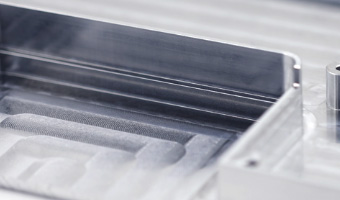
As-machined
The standard finish of our parts, the "machined" finish, has a surface roughness of 3.2 μm (126 μin), which removes sharp edges and cleanly removes burrs from the part.
Machining Texture:There are slight scratches on the visible surface.
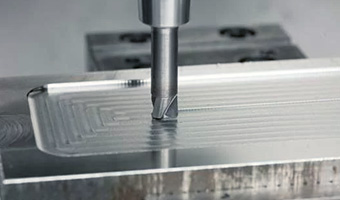
Smooth machining
A finishing CNC machining operation can be applied to the part to reduce its surface roughness. The standard smoothing surface roughness is Ra 1.6 μm (64 μin). Light surface scratches are visible.
Machining Texture:Visible, light surface scratches.
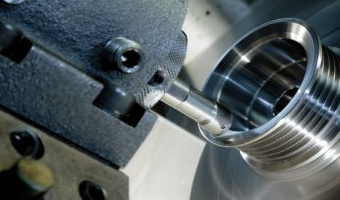
Fine machining
Refers to the process of precision treatment of raw materials or semi-finished products. The standard smoothing surface roughness is Ra 0.8 μm (32 μin).
Machining Texture:Slightly visible.
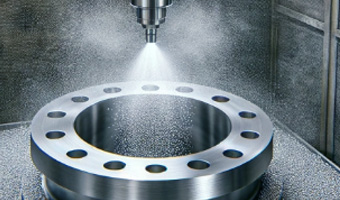
Bead blasting
Bead blasting refers to the use of round spherical media that, when impacted against the surface of a part, will leave a more uniform finish caused by the sphere “dimpling” the surface.
Machining Texture:Frosted grain.
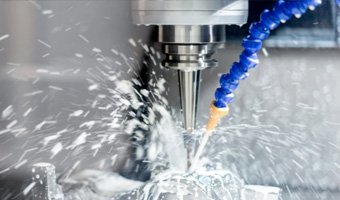
Brushing
Brushing is a surface treatment process that uses abrasive belts to draw traces on the surface of a material, usually for aesthetic purposes.
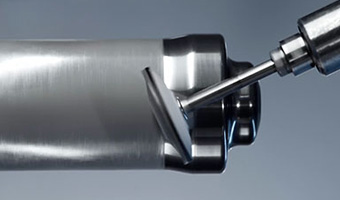
Polishing
From Ra 0.8 to Ra0.1, the polishing process uses abrasive materials to rub the surface of the part, making the surface of the part more shiny, depending on your requirements.
Machining Texture:Smooth, glossy finish
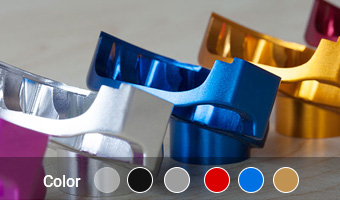
Anodizing
Aluminum and its alloy in the corresponding electrolyte and specific process conditions, due to the action of external current, the process of forming an oxide film on the aluminum product.
Machining Texture:Smooth, matte finish.
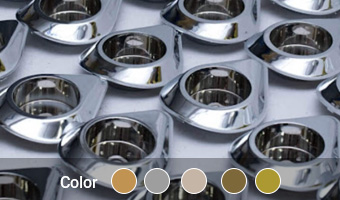
Electroplating
Electroplated coating preserves the surface of parts and resists rusts and other defects from causing decay by applying electric currents to reduce metal cations.
Machining Texture:Smooth, glossy finish.
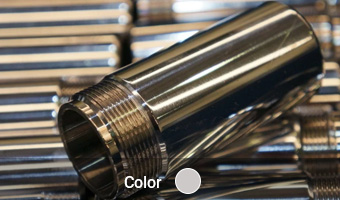
Electroless nickel plating
Electroless nickel plating is a process that deposits an alloy of nickel-phosphorus onto the surface of a metal. This process is chemical only, so does not involve the use of electricity.
Machining Texture:Reduced but visible.
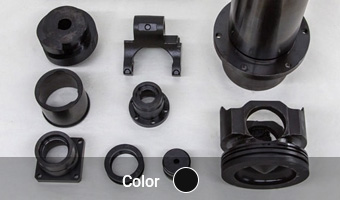
Black oxide
Black oxide is a conversion coating similar to Alodine that is used for steel and stainless steel. It is used mainly for appearance and for mild corrosion resistance..
Machining Texture:Smooth, matte.
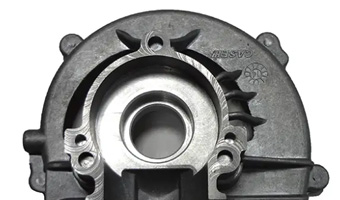
Powder coating
Using corona discharge, we make the powder coating adsorbed to the part, creating a more wear-resistant layer with a typical thickness ranging from 50 μm up to 150 μm.
Machining Texture:Glossy.
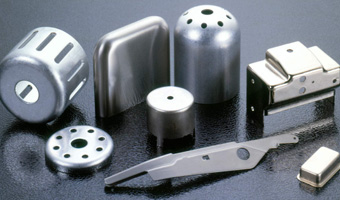
Chromate conversion coating
Chromate conversion coating is a type of conversion coating, used on aluminum as a corrosion inhibitor, as a primer for paint due to increased adherence or to preserve electrical conductivity.
Machining Texture:Visible.
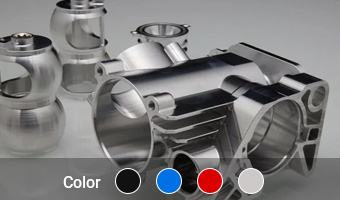
Electrophoresis
In the solution under the action of direct current electric field, the charged resin moves to the opposite electrode phenomenon. Strong corrosion resistance, can be on different colors.
Machining Texture:Visible.
As-machined
The standard finish of our parts, the "machined" finish, has a surface roughness of 3.2 μm (126 μin), which removes sharp edges and cleanly removes burrs from the part.
Machining Texture:There are slight scratches on the visible surface.
Smooth machining
A finishing CNC machining operation can be applied to the part to reduce its surface roughness. The standard smoothing surface roughness is Ra 1.6 μm (64 μin). Light surface scratches are visible.
Machining Texture:Visible, light surface scratches.
Fine machining
Refers to the process of precision treatment of raw materials or semi-finished products. The standard smoothing surface roughness is Ra 0.8 μm (32 μin).
Machining Texture:Slightly visible.
Bead blasting
Bead blasting refers to the use of round spherical media that, when impacted against the surface of a part, will leave a more uniform finish caused by the sphere “dimpling” the surface.
Machining Texture:Frosted grain.
Brushing
Brushing is a surface treatment process that uses abrasive belts to draw traces on the surface of a material, usually for aesthetic purposes.
Polishing
From Ra 0.8 to Ra0.1, the polishing process uses abrasive materials to rub the surface of the part, making the surface of the part more shiny, depending on your requirements.
Machining Texture:Smooth, glossy finish
Anodizing
Aluminum and its alloy in the corresponding electrolyte and specific process conditions, due to the action of external current, the process of forming an oxide film on the aluminum product.
Machining Texture:Smooth, matte finish.
Electroplating
Electroplated coating preserves the surface of parts and resists rusts and other defects from causing decay by applying electric currents to reduce metal cations.
Machining Texture:Smooth, glossy finish.
Electroless nickel plating
Electroless nickel plating is a process that deposits an alloy of nickel-phosphorus onto the surface of a metal. This process is chemical only, so does not involve the use of electricity.
Machining Texture:Reduced but visible.
Black oxide
Black oxide is a conversion coating similar to Alodine that is used for steel and stainless steel. It is used mainly for appearance and for mild corrosion resistance..
Machining Texture:Smooth, matte.
Powder coating
Using corona discharge, we make the powder coating adsorbed to the part, creating a more wear-resistant layer with a typical thickness ranging from 50 μm up to 150 μm.
Machining Texture:Glossy.
Chromate conversion coating
Chromate conversion coating is a type of conversion coating, used on aluminum as a corrosion inhibitor, as a primer for paint due to increased adherence or to preserve electrical conductivity.
Machining Texture:Visible.
Electrophoresis
In the solution under the action of direct current electric field, the charged resin moves to the opposite electrode phenomenon. Strong corrosion resistance, can be on different colors.
Machining Texture:Visible.
Industry
Application Areas of Die Casting
Our facilities are equipped with the latest in high-precision Die Casting equipment, capable of executing complex designs with exacting tolerances. From prototyping to full-scale production, It's comprehensive machining capabilities cater to a diverse range of industries, including aerospace, automotive, medical, and more.
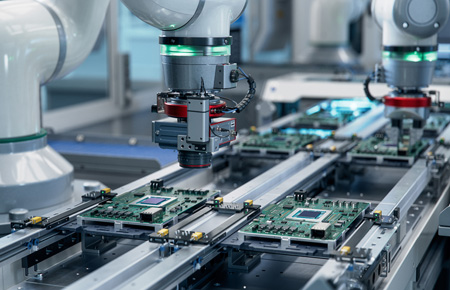
Consumer Electronics
Our manufactured electronic components consistently meet the tight tolerances required in this ever-evolving industry.
Learn More
Aerospace & Aviation
Our manufactured electronic components consistently meet the tight tolerances required in this ever-evolving industry.
Learn More
Automotive
Our manufactured electronic components consistently meet the tight tolerances required in this ever-evolving industry.
Learn More
Medical
Our manufactured electronic components consistently meet the tight tolerances required in this ever-evolving industry.
Learn More
Robotics & Automation
Our manufactured electronic components consistently meet the tight tolerances required in this ever-evolving industry.
Learn More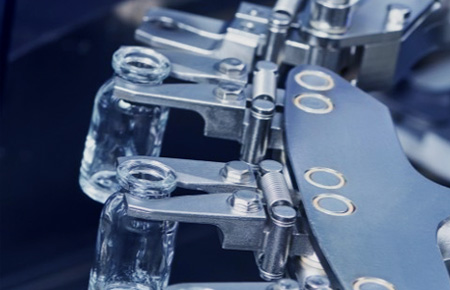
Industrial Machinery Parts
Our manufactured electronic components consistently meet the tight tolerances required in this ever-evolving industry.
Learn MoreTest Inspection
Quality Assurance at the Heart of Our Operations
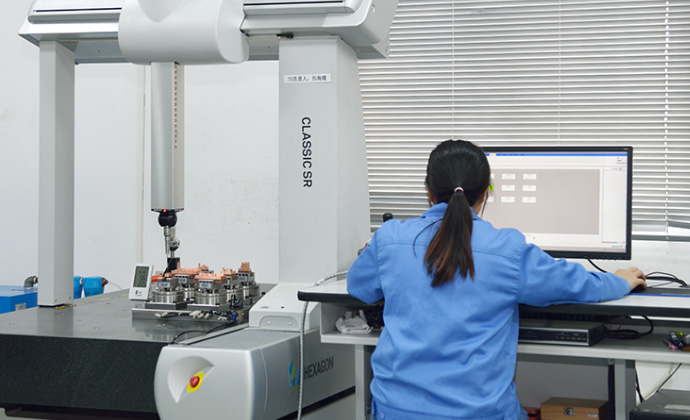
Quality is not just a buzzword at SOMI,it's the foundation upon which we build our reputation Our rigorous quality assurance process encompasses every stage of production, from initial design to final inspection. We employ advanced measurement and testing equipment to verify that each part meets our stringent standards and, more importantly, your expectations. This unwavering dedication to quality ensures that SOMI's Die Casting services are a step above the rest.
Get a Quote
Contact us Today for Your Die Casting Requirements
Ready to elevate your manufacturing with the precision and quality of SOMI's Die Casting services? Contact us today to discuss your project and discover how we can help you achieve unparalleled results. With SOMI, you're not just choosing a service provider, you're choosing a partner dedicated to your success.
We are committed to providing full-process services from prototyping to mass production. We provide rapid prototyping services to ensure that your design can be realized accurately and efficiently.
We hope to discuss potential cooperation opportunities with you and ask you to provide quotation information for your project. Looking forward to your reply and working with you to promote the success of your project!
- *Name
- *Phone
- *Title
- *Content
FAQ
Frequently Asked Questions
If you have any further questions, please contact us. We look forward to working with you.
- How does zinc alloy die casting compare to aluminum in strength and cost?
Quick Answer
Zinc is stronger per unit volume than aluminum but heavier (density 6.6 vs 2.7 g/cm3). Zinc offers 3-10x higher ductility, better impact strength, and 3-5x longer die life. Aluminum offers 3x better strength-to-weight ratio and higher service temperatures. Cost-wise, zinc per-part cost is typically 10-30% lower for small parts due to faster cycle times and longer die life. For large parts, aluminum's lower density gives it a weight-based cost advantage.
Strength Comparison
Tensile strength: ZAMAK 3: 283 MPa, ZAMAK 5: 331 MPa, Aluminum A380: 320 MPa. Comparable. Yield strength: ZAMAK 3: 221 MPa, A380: 160 MPa. Zinc is stronger in yield. Elongation: ZAMAK 3: 10%, ZAMAK 5: 7%, A380: 1-3%. Zinc is 3-10x more ductile. Impact strength (Izod): ZAMAK 3: 58 J/m, A380: 3-5 J/m. Zinc absorbs 10-20x more impact energy. Hardness: ZAMAK 3: 82 HB, A380: 80 HB. Similar.
Cost Comparison
Die life for zinc: 800,000-1,000,000 shots. For aluminum: 100,000-300,000 shots. Zinc's longer die life spreads tooling cost over more parts. Zinc cycle time is typically 20-40% faster (lower melting point = faster solidification). Zinc melting temperature (385-420°C) vs aluminum (660-680°C) means lower energy costs. Material cost: ZAMAK $2.50-3.50/kg vs A380 $3.00-4.50/kg. For small parts under 200g, zinc is 10-30% cheaper per part at equivalent volumes.
Application Guidance
Choose zinc when: part weight is not critical, thin walls are needed (0.3-0.8mm), impact resistance is important, ductility is required for bending or crimping, or very long die life is desired. Choose aluminum when weight is critical, the part is large, operating temperatures exceed 120°C, or pressure tightness is required (aluminum can be impregnated).
Why Choose SOMI Custom Parts
At SOMI Custom Parts, we offer both zinc and aluminum die casting, allowing us to recommend the optimal material for each application. We provide a complete cost comparison analysis including material cost, tooling cost amortization, cycle time, and finishing costs. Our engineers can help you decide -- and if needed, we can redesign your part for the more advantageous material.
Case Study
An automotive supplier had a small (50g) latch component in aluminum A380 that was experiencing 5% breakage during assembly due to the alloy's low ductility. SOMI converted the part to ZAMAK 5, increasing elongation from 2% to 7%. The zinc part passed assembly testing with zero breakage. Cycle time decreased by 25%, die life was projected at 800,000 shots vs 200,000 for aluminum. Part cost decreased by 18%.
Industry Data
Zinc die casting alloys offer the highest ductility of any common die casting material. The elongation of ZAMAK 3 (10%) is comparable to many wrought aluminum alloys, making it the preferred choice for parts requiring forming or bending after casting (NADCA, 2025). Zinc's lower melting point also reduces greenhouse gas emissions by approximately 40% per part compared to aluminum casting.
Related Questions
- What products are best for zinc die casting?
- What is zinc alloy die casting?
- What is aluminum alloy die casting?
- What is the difference between die casting and sand casting?
- What consumer and industrial products are best suited for zinc alloy die casting?
Quick Answer
Zinc alloy die casting (primarily ZAMAK 3 and 5) is best suited for small-to-medium precision parts requiring high strength, ductility, thin walls (as thin as 0.3mm), and excellent surface finish. Key applications: automotive interior hardware (door handles, lock components, mirror brackets), locks and security hardware, plumbing fixtures (faucets, valves), electronic connector housings, small gears and mechanical components, toys and hobby products, and decorative hardware.
Automotive Applications
Zinc die casting is widely used for automotive interior components. Door handles, window regulator mechanisms, seat belt components, latch assemblies, and mirror brackets are commonly produced in ZAMAK 3 or 5. Zinc's ductility means these parts can absorb impact without cracking -- critical for safety components. Zinc parts also accept chrome plating and painted finishes that match automotive interior aesthetics.
Security and Lock Hardware
The lock industry is a major zinc die casting user. Lock bodies, cylinders, key blanks, padlocks, and deadbolt assemblies benefit from zinc's castability (threads and complex keyways cast in), durability (withstands drilling and sawing), and corrosion resistance (accepts plating easily). Zinc lock components have been in use for over 80 years.
Plumbing and Valve Components
Zinc die casting is ideal for plumbing fixtures. Faucet bodies, valve handles, shower heads, and pipe fittings are commonly produced in ZAMAK. Zinc's corrosion resistance, ability to cast smooth water passages, and excellent plating characteristics make it a cost-effective alternative to brass for many plumbing applications.
Consumer and Hardware Products
Zinc die casting produces a vast range of consumer products: electrical plugs and sockets, power tool housings, toy cars and figures, model train components, belt buckles, zipper pulls, cabinet hardware, and decorative medallions. The low melting temperature allows longer die life, making zinc economical for high-volume consumer goods.
Why Choose SOMI Custom Parts
At SOMI Custom Parts, we offer complete zinc die casting services from mold design to finished, plated parts. Our experience spans automotive, hardware, plumbing, and consumer products. We help you select the optimal ZAMAK alloy (3 for general purpose, 5 for higher strength) and provide secondary operations including CNC machining, plating (chrome, nickel, brass), and powder coating.
Case Study
A door hardware manufacturer needed a decorative door handle that combined complex styling with durable function. The handle required a smooth, void-free surface for nickel-chrome plating, thin decorative fluting, and a threaded attachment. SOMI die cast the handle in ZAMAK 3, achieving 0.5mm flutes with perfect plating surface. Plating adhesion testing confirmed zero blistering after 200 hours of humidity testing.
Industry Data
Zinc die casting accounts for 25% of the global die casting market by tonnage. ZAMAK 3 is the most widely used alloy, representing 70% of all zinc die castings. The average zinc die casting tool produces 800,000-1,000,000 parts before requiring significant maintenance -- 3-5x longer than aluminum tooling (International Zinc Association, 2025).
Related Questions
- How does zinc compare to aluminum in die casting?
- What is zinc alloy die casting?
- What is the difference between die casting and sand casting?
- Should I choose die casting or CNC machining?
- What is the typical lead time for aluminum die casting tooling and production?
Quick Answer
Aluminum die casting tooling typically requires 8-12 weeks from order to production-ready: design (2-3 weeks), steel machining (4-6 weeks), benching and polishing (1-2 weeks), and tryout/qualification (1-2 weeks). Production lead time after tooling approval: 3-4 weeks for first articles, then 2-3 weeks for repeat orders. Rush service can reduce tooling to 4-6 weeks.
Tooling Lead Time Breakdown
Weeks 1-3: Design and engineering. CAD design of the die, thermal analysis, cooling channel layout, ejection system design. Weeks 3-8: CNC machining. Rough and finish machining of die steel (H13, D2). This is the longest phase. Complex dies with slides, lifters, and cores require more machining time. Weeks 8-10: Benching and polishing. Manual finishing, surface texturing (if required), assembly of moving components. Weeks 10-12: Tryout and qualification. Sample parts are produced, inspected, and dimensional reports generated. Design modifications, if needed, are made.
Production Lead Time
After tooling approval (or for repeat orders on existing tools), standard production lead time is 3-4 weeks. This includes: material procurement (1 week for standard alloys), die setup and preheating (1-2 days), production (varies by volume -- 10,000 parts at 1 minute cycle = 1-2 weeks), quality inspection (1-2 days), secondary operations if needed (CNC, heat treat, finishing -- 1-2 weeks), and shipping (3-7 days by air, 25-40 days by sea).
Factors Affecting Lead Time
Die complexity: Simple 2-plate dies are fastest. Dies with slides, lifters, unscrewing mechanisms, or vacuum systems take 30-50% longer. Die steel availability: Standard H13 steel is readily available; specialty steels require sourcing. Design maturity: Well-defined, fully detailed designs proceed faster. Changes during fabrication add 1-4 weeks. Production quantity: Larger quantities require more production time but tooling time is unaffected.
Why Choose SOMI Custom Parts
At SOMI Custom Parts, we manage the entire die casting process from tool design to production delivery. Our project managers provide weekly status updates and identify potential delays early. We maintain relationships with die steel suppliers for rapid material sourcing. For urgent projects, we offer accelerated tooling schedules with dedicated machining capacity. Contact us for a specific lead time quotation for your project.
Case Study
A consumer electronics company needed production tooling for a new aluminum heatsink within 7 weeks to meet a product launch deadline. SOMI assigned dedicated design and machining resources, completed the tool design in 10 days, and prioritized the die through our CNC department. Tooling was completed in 6.5 weeks, and first article samples were approved within 3 days. Production of 15,000 units shipped on time for the product launch.
Industry Data
According to the North American Die Casting Association (NADCA), the average die casting tooling lead time in 2025 is 11 weeks, down from 14 weeks in 2020 due to improved CAM software and faster CNC machines. Rush tooling (4-6 weeks) typically carries a 25-40% premium. Repeat production orders average 3.2 weeks lead time.
Related Questions
- What is aluminum alloy die casting?
- Should I choose die casting or CNC machining?
- What makes aluminum die casting ideal for automotive parts?
- What is the difference between die casting and sand casting?
Explore More
SOMI Manufacturing Capabilities


From concept to product
From prototyping to production, our production sites can handle all your manufacturing projects.
subscription