
From concept to product
From prototyping to production, our production sites can handle all your manufacturing projects.
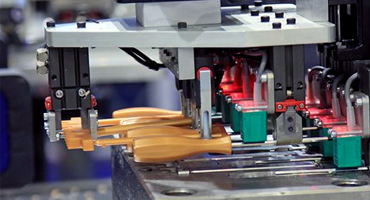
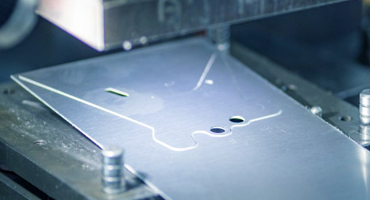
3D Printing

Home / SOMI 3D Printing
SOMI Capability
SOMI 3D Printing Capability
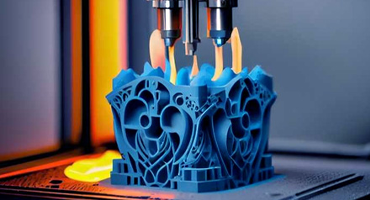
SOMI, a leading 3D printing service company, has numerous 3D printing factories. From rapid prototypes to full-scale production parts, we utilize various technologies such as Fused Deposition Modeling (FDM), Selective Laser Sintering (SLS), Multi Jet Fusion (MJF), and Stereolithography (SLA) to offer custom 3D printing services with unparalleled precision and versatility in creating complex geometries and intricate details.
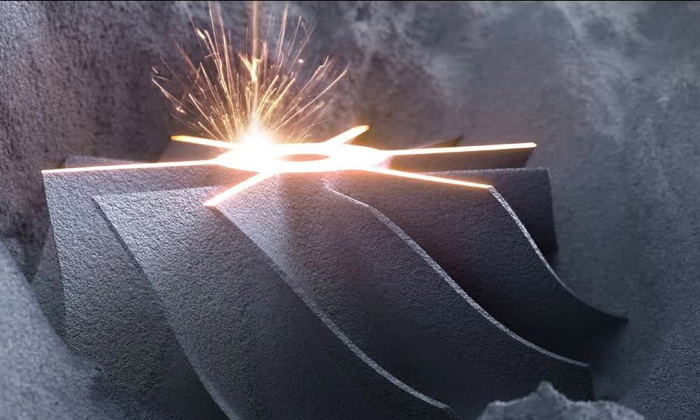
SLS - Selective Laser Sintering
Selective laser sintering (SLS) is an additive manufacturing (AM) technique that uses a laser as the power and heat source to sinter powdered material (typically nylon or polyamide), aiming the laser automatically at points in space defined by a 3D model, binding the material together to create a solid structure.
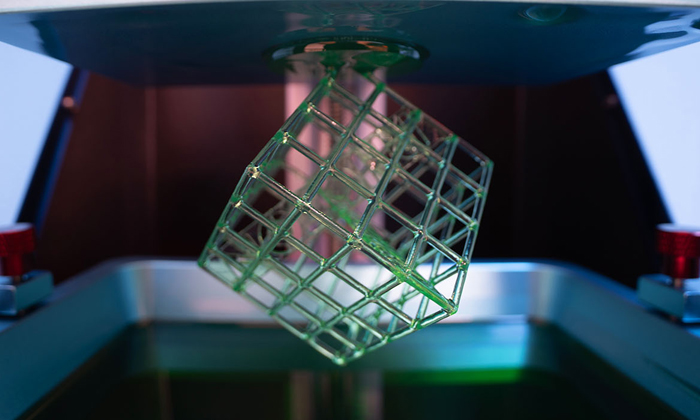
SLA - Stereolithography
Stereolithography(SLA) is an additive manufacturing process that uses a vat of liquid UV-curable photopolymer resin and a UV laser to build parts one layer at a time.
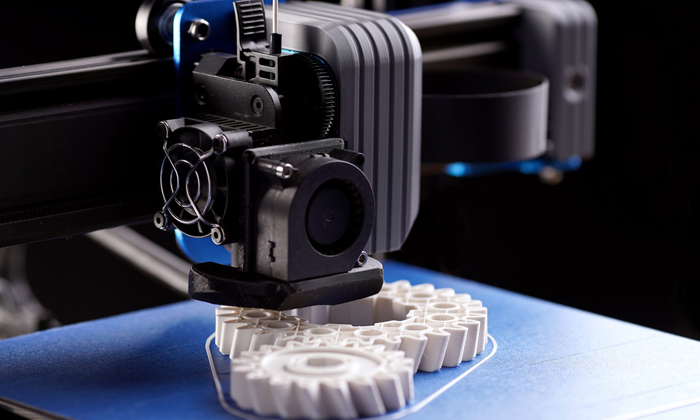
FDM - Fused Deposition Modeling
Fused Deposition Modeling (FDM) is an additive manufacturing technology widely known for its speed, accuracy, and competitive cost. FDM machines precisely extrude melted material to create a part. FDM parts can be made in as fast as one day.
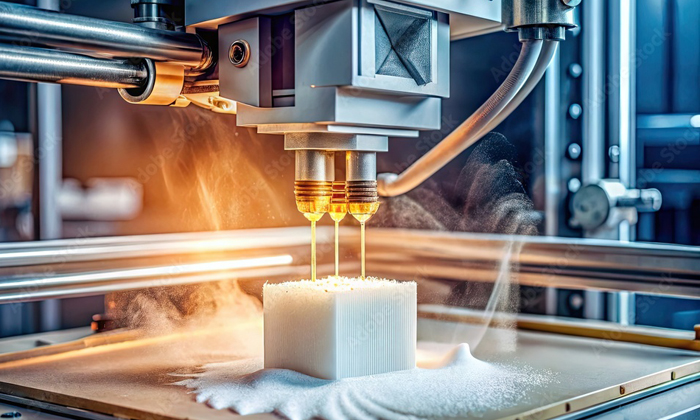
MJF - Multi Jet Fusion
Multi Jet Fusion is a form of 3D printing which involves a very thin layer of fine Nylon powder which is soaked in a special chemical that helps it melt and fuse together.
CNC Machining
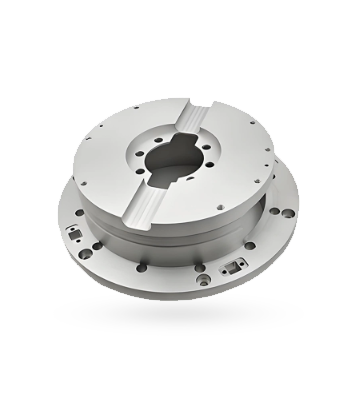
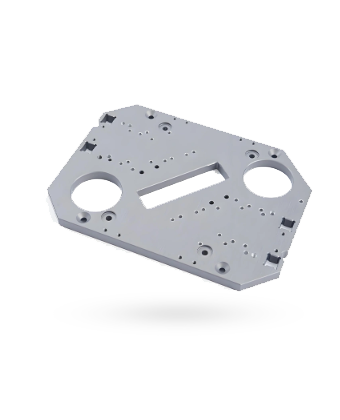
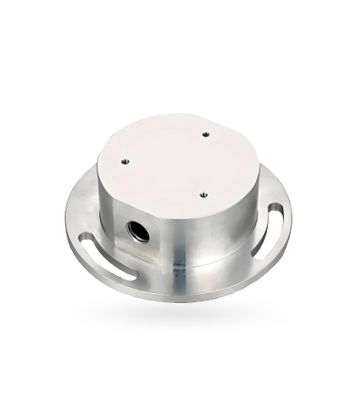
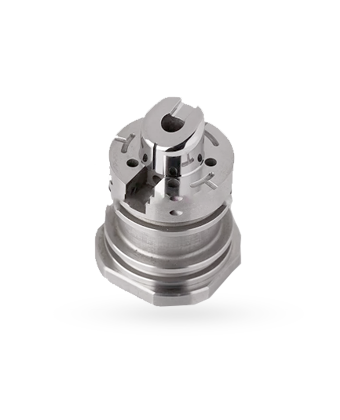
Show Custom Parts Machined by SOMI
3D Printing
3D Printing Materials
Our expertise extends to a variety of materials, from metals like aluminum and stainless steel to plastics and composites, ensuring versatility and adaptability across applications. Metals Suitable for 3D Printing
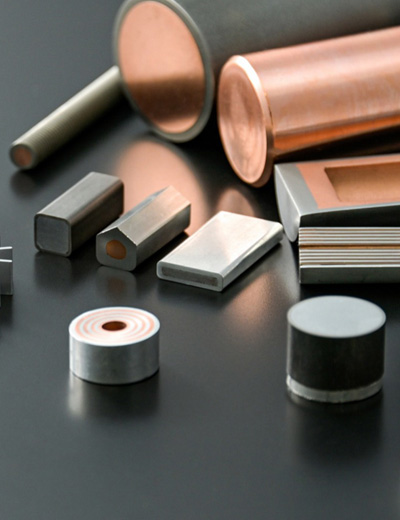

- Aluminum
Aluminum has a good strength-to-weight ratio, high thermal and electrical conductivity, low density and natural corrosion resistance. It is a highly malleable metal, making it easy to machining, can be anodized.
Type:1050,1060,2011,2024,5052,5051, 6061, 6063, 7075,7050

- Brass
Aluminum has a good strength-to-weight ratio, high thermal and electrical conductivity, low density and natural corrosion resistance. It is a highly malleable metal, making it easy to machining, can be anodized.
Type:1050,1060,2011,2024,5052,5051, 6061, 6063, 7075,7050

- Stainless steel
Aluminum has a good strength-to-weight ratio, high thermal and electrical conductivity, low density and natural corrosion resistance. It is a highly malleable metal, making it easy to machining, can be anodized.
Type:1050,1060,2011,2024,5052,5051, 6061, 6063, 7075,7050

- Copper
Aluminum has a good strength-to-weight ratio, high thermal and electrical conductivity, low density and natural corrosion resistance. It is a highly malleable metal, making it easy to machining, can be anodized.
Type:1050,1060,2011,2024,5052,5051, 6061, 6063, 7075,7050

- Mild Steel
Aluminum has a good strength-to-weight ratio, high thermal and electrical conductivity, low density and natural corrosion resistance. It is a highly malleable metal, making it easy to machining, can be anodized.
Type:1050,1060,2011,2024,5052,5051, 6061, 6063, 7075,7050

- Beryllium bronze
Aluminum has a good strength-to-weight ratio, high thermal and electrical conductivity, low density and natural corrosion resistance. It is a highly malleable metal, making it easy to machining, can be anodized.
Type:1050,1060,2011,2024,5052,5051, 6061, 6063, 7075,7050

- Alloy steel
Aluminum has a good strength-to-weight ratio, high thermal and electrical conductivity, low density and natural corrosion resistance. It is a highly malleable metal, making it easy to machining, can be anodized.
Type:1050,1060,2011,2024,5052,5051, 6061, 6063, 7075,7050

- Titanium
Aluminum has a good strength-to-weight ratio, high thermal and electrical conductivity, low density and natural corrosion resistance. It is a highly malleable metal, making it easy to machining, can be anodized.
Type:1050,1060,2011,2024,5052,5051, 6061, 6063, 7075,7050

- Tool steel
Aluminum has a good strength-to-weight ratio, high thermal and electrical conductivity, low density and natural corrosion resistance. It is a highly malleable metal, making it easy to machining, can be anodized.
Type:1050,1060,2011,2024,5052,5051, 6061, 6063, 7075,7050
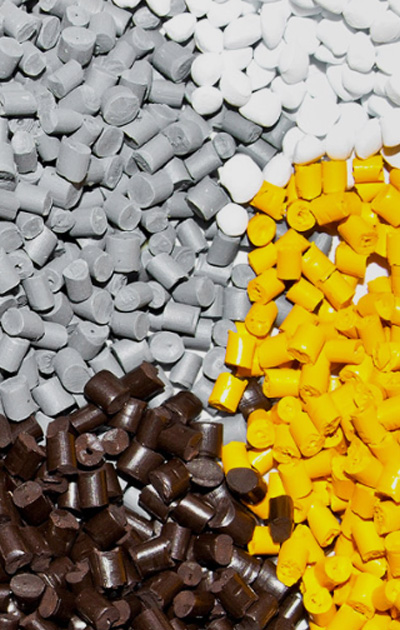
 Other 3D Printing Materials (Plastics, Ceramics, Resins, etc.)

- ABS
It is a thermoplastic polymer material with high strength, good toughness, corrosion resistance, high temperature resistance.

- PVC
It is a thermoplastic polymer material with high strength, good toughness, corrosion resistance, high temperature resistance.

- POM
It is a thermoplastic polymer material with high strength, good toughness, corrosion resistance, high temperature resistance.

- Polypropylene(PP)
It is a thermoplastic polymer material with high strength, good toughness, corrosion resistance, high temperature resistance.

- Nylon
It is a thermoplastic polymer material with high strength, good toughness, corrosion resistance, high temperature resistance.

- PET
It is a thermoplastic polymer material with high strength, good toughness, corrosion resistance, high temperature resistance.

- PTFE(Teflon)
It is a thermoplastic polymer material with high strength, good toughness, corrosion resistance, high temperature resistance.

- FR-4
It is a thermoplastic polymer material with high strength, good toughness, corrosion resistance, high temperature resistance.

- Polycarbonate(PC)
It is a thermoplastic polymer material with high strength, good toughness, corrosion resistance, high temperature resistance.

- PMMA
It is a thermoplastic polymer material with high strength, good toughness, corrosion resistance, high temperature resistance.

- Polyethylene(PE)
It is a thermoplastic polymer material with high strength, good toughness, corrosion resistance, high temperature resistance.

- PEEK
It is a thermoplastic polymer material with high strength, good toughness, corrosion resistance, high temperature resistance.
3D Printing
3D Printing Surface Finishes
SOMI offers a diverse range of surface finishes, each tailored to meet the specific needs of your projects. Here’s a closer look at some of the options.
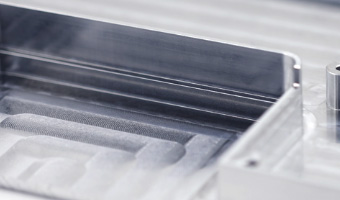
As-machined
The standard finish of our parts, the "machined" finish, has a surface roughness of 3.2 μm (126 μin), which removes sharp edges and cleanly removes burrs from the part.
Machining Texture:There are slight scratches on the visible surface.
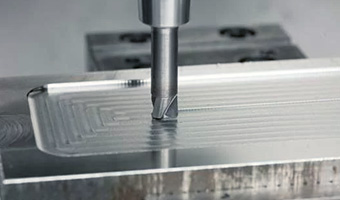
Smooth machining
A finishing CNC machining operation can be applied to the part to reduce its surface roughness. The standard smoothing surface roughness is Ra 1.6 μm (64 μin). Light surface scratches are visible.
Machining Texture:Visible, light surface scratches.
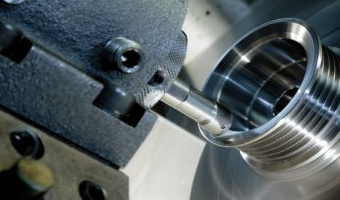
Fine machining
Refers to the process of precision treatment of raw materials or semi-finished products. The standard smoothing surface roughness is Ra 0.8 μm (32 μin).
Machining Texture:Slightly visible.
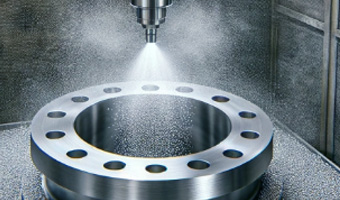
Bead blasting
Bead blasting refers to the use of round spherical media that, when impacted against the surface of a part, will leave a more uniform finish caused by the sphere “dimpling” the surface.
Machining Texture:Frosted grain.
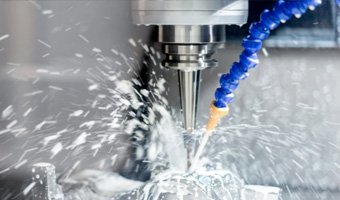
Brushing
Brushing is a surface treatment process that uses abrasive belts to draw traces on the surface of a material, usually for aesthetic purposes.
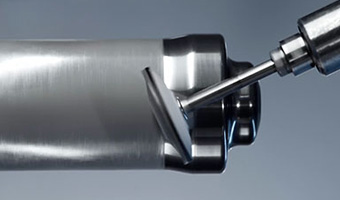
Polishing
From Ra 0.8 to Ra0.1, the polishing process uses abrasive materials to rub the surface of the part, making the surface of the part more shiny, depending on your requirements.
Machining Texture:Smooth, glossy finish
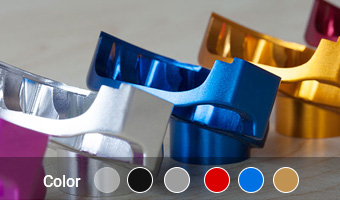
Anodizing
Aluminum and its alloy in the corresponding electrolyte and specific process conditions, due to the action of external current, the process of forming an oxide film on the aluminum product.
Machining Texture:Smooth, matte finish.
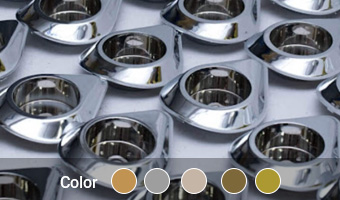
Electroplating
Electroplated coating preserves the surface of parts and resists rusts and other defects from causing decay by applying electric currents to reduce metal cations.
Machining Texture:Smooth, glossy finish.
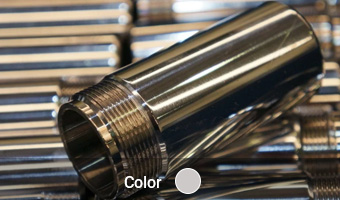
Electroless nickel plating
Electroless nickel plating is a process that deposits an alloy of nickel-phosphorus onto the surface of a metal. This process is chemical only, so does not involve the use of electricity.
Machining Texture:Reduced but visible.
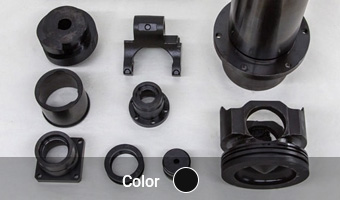
Black oxide
Black oxide is a conversion coating similar to Alodine that is used for steel and stainless steel. It is used mainly for appearance and for mild corrosion resistance..
Machining Texture:Smooth, matte.
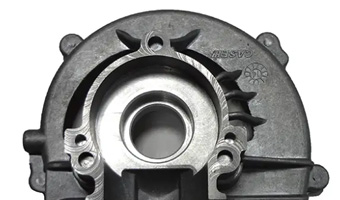
Powder coating
Using corona discharge, we make the powder coating adsorbed to the part, creating a more wear-resistant layer with a typical thickness ranging from 50 μm up to 150 μm.
Machining Texture:Glossy.
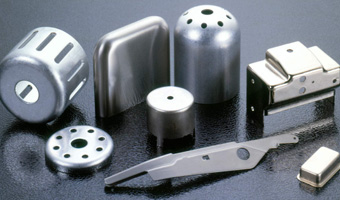
Chromate conversion coating
Chromate conversion coating is a type of conversion coating, used on aluminum as a corrosion inhibitor, as a primer for paint due to increased adherence or to preserve electrical conductivity.
Machining Texture:Visible.
Electrophoresis
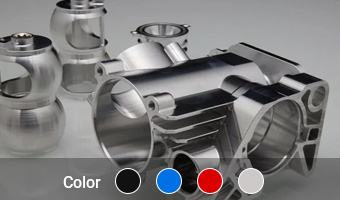
In the solution under the action of direct current electric field, the charged resin moves to the opposite electrode phenomenon. Strong corrosion resistance, can be on different colors.
Machining Texture:Visible.
As-machined
The standard finish of our parts, the "machined" finish, has a surface roughness of 3.2 μm (126 μin), which removes sharp edges and cleanly removes burrs from the part.
Machining Texture:There are slight scratches on the visible surface.
Smooth machining
A finishing CNC machining operation can be applied to the part to reduce its surface roughness. The standard smoothing surface roughness is Ra 1.6 μm (64 μin). Light surface scratches are visible.
Machining Texture:Visible, light surface scratches.
Fine machining
Refers to the process of precision treatment of raw materials or semi-finished products. The standard smoothing surface roughness is Ra 0.8 μm (32 μin).
Machining Texture:Slightly visible.
Bead blasting
Bead blasting refers to the use of round spherical media that, when impacted against the surface of a part, will leave a more uniform finish caused by the sphere “dimpling” the surface.
Machining Texture:Frosted grain.
Brushing
Brushing is a surface treatment process that uses abrasive belts to draw traces on the surface of a material, usually for aesthetic purposes.
Polishing
From Ra 0.8 to Ra0.1, the polishing process uses abrasive materials to rub the surface of the part, making the surface of the part more shiny, depending on your requirements.
Machining Texture:Smooth, glossy finish
Anodizing
Aluminum and its alloy in the corresponding electrolyte and specific process conditions, due to the action of external current, the process of forming an oxide film on the aluminum product.
Machining Texture:Smooth, matte finish.
Electroplating
Electroplated coating preserves the surface of parts and resists rusts and other defects from causing decay by applying electric currents to reduce metal cations.
Machining Texture:Smooth, glossy finish.
Electroless nickel plating
Electroless nickel plating is a process that deposits an alloy of nickel-phosphorus onto the surface of a metal. This process is chemical only, so does not involve the use of electricity.
Machining Texture:Reduced but visible.
Black oxide
Black oxide is a conversion coating similar to Alodine that is used for steel and stainless steel. It is used mainly for appearance and for mild corrosion resistance..
Machining Texture:Smooth, matte.
Powder coating
Using corona discharge, we make the powder coating adsorbed to the part, creating a more wear-resistant layer with a typical thickness ranging from 50 μm up to 150 μm.
Machining Texture:Glossy.
Chromate conversion coating
Chromate conversion coating is a type of conversion coating, used on aluminum as a corrosion inhibitor, as a primer for paint due to increased adherence or to preserve electrical conductivity.
Machining Texture:Visible.
Electrophoresis
In the solution under the action of direct current electric field, the charged resin moves to the opposite electrode phenomenon. Strong corrosion resistance, can be on different colors.
Machining Texture:Visible.
Industry
Application Areas of 3D Printing
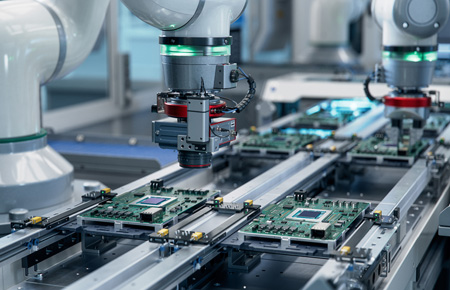
Our facilities are equipped with the latest in high-precision 3D Printing equipment, capable of executing complex designs with exacting tolerances. From prototyping to full-scale production, It's comprehensive machining capabilities cater to a diverse range of industries, including aerospace, automotive, medical, and more.
Consumer Electronics
Our manufactured electronic components consistently meet the tight tolerances required in this ever-evolving industry.
Learn More
Aerospace & Aviation
Our manufactured electronic components consistently meet the tight tolerances required in this ever-evolving industry.
Learn More
Automotive
Our manufactured electronic components consistently meet the tight tolerances required in this ever-evolving industry.
Learn More
Medical
Our manufactured electronic components consistently meet the tight tolerances required in this ever-evolving industry.
Learn More
Robotics & Automation
Our manufactured electronic components consistently meet the tight tolerances required in this ever-evolving industry.
Learn More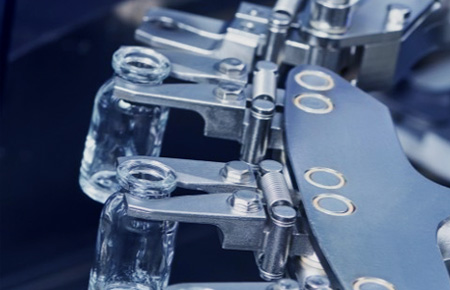
Industrial Machinery Parts
Our manufactured electronic components consistently meet the tight tolerances required in this ever-evolving industry.
Learn MoreTest Inspection
Quality Assurance at the Heart of Our Operations
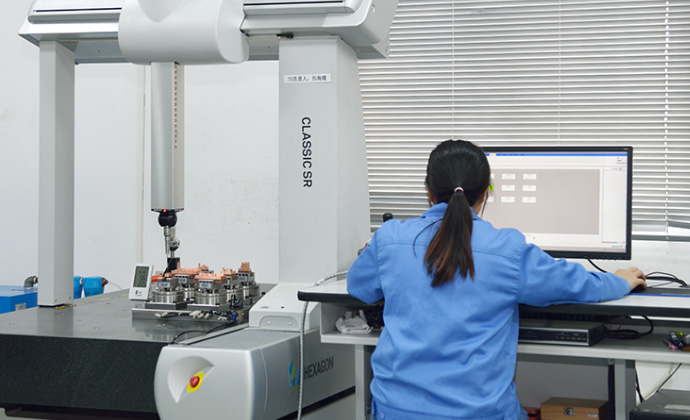
Quality is not just a buzzword at SOMI,it's the foundation upon which we build our reputation Our rigorous quality assurance process encompasses every stage of production, from initial design to final inspection. We employ advanced measurement and testing equipment to verify that each part meets our stringent standards and, more importantly, your expectations. This unwavering dedication to quality ensures that SOMI's 3D Printing services are a step above the rest.
Get a Quote
Contact us Today for Your 3D Printing Requirements
Ready to elevate your manufacturing with the precision and quality of SOMI's 3D printing services? Contact us today to discuss your project and discover how we can help you achieve unparalleled results. With SOMI, you're not just choosing a service provider, you're choosing a partner dedicated to your success.
We are committed to providing full-process services from prototyping to mass production. We provide rapid prototyping services to ensure that your design can be realized accurately and efficiently.
We hope to discuss potential cooperation opportunities with you and ask you to provide quotation information for your project. Looking forward to your reply and working with you to promote the success of your project!
- *Name
- *Phone
- *Title
- *Content
FAQ
Frequently Asked Questions
If you have any further questions, please contact us. We look forward to working with you.
- How strong are metal parts produced by SLM 3D printing compared to traditional machining?SLM metal parts achieve 95-100% of the tensile strength and 90-100% of the yield strength of wrought (machined) materials. SLM 316L stainless reaches 530 MPa tensile (vs 515 MPa wrought). SLM Ti64 reaches 950 MPa (vs 950 MPa wrought). Fatigue strength is typically 70-90% of wrought due to surface roughness, which can be improved by post-processing.
- Which 3D printing technology produces the strongest functional prototypes?For plastic prototypes, SLS (nylon 12) produces the strongest parts with the best balance of strength, toughness, and fatigue resistance. For metal prototypes, SLM (selective laser melting) produces fully dense parts with properties equivalent to wrought materials. SLS nylon parts have 48 MPa tensile strength and 10-20% elongation, while SLM 316L stainless reaches 530 MPa.
- What is the difference between SLA, SLS, and FDM 3D printing technologies?SLA (stereolithography) uses UV laser to cure liquid resin into high-detail parts with smooth surfaces. SLS (selective laser sintering) fuses nylon powder into durable functional parts without supports. FDM (fused deposition modeling) melts plastic filament layer by layer for economical, strong parts.
Explore More
SOMI Manufacturing Capabilities


From concept to product
From prototyping to production, our production sites can handle all your manufacturing projects.
subscription