
The Ultimate Guide to Selecting a Reliable CNC Milling Parts Supplier
Choosing the right supplier for CNC Milling Parts is a monumental decision, one that can significantly influence the success or failure of your entire project. A single sub-par component can trigger a cascade of negative consequences, including costly product recalls, dangerous safety issues, and significant financial and temporal losses. This guide is crafted to provide you with a clear roadmap, detailing the essential criteria to scrutinize and empowering you to select a supplier you can implicitly trust. We will delve into the critical aspects of quality standards, technical capabilities, and evaluation processes, ensuring you forge a partnership that reinforces your project's integrity and drives its success.
Understanding High-Performance Quality Standards for Your CNC Milling Parts Supplier
In the world of precision manufacturing, quality standards are the bedrock of reliability and performance. They are not merely suggestions but a comprehensive framework that dictates every aspect of production, from material sourcing to final inspection. For industries where failure is not an option—such as aerospace, medical, and automotive—adherence to stringent quality standards is the only way to guarantee that every component functions exactly as designed, every single time. A supplier's commitment to these standards is a direct reflection of their commitment to your project's success.
Why Quality Standards are Non-Negotiable
In CNC milling, quality standards are the essential language of precision. They ensure that every part produced meets exact specifications, a non-negotiable requirement in industries where even microscopic deviations can lead to catastrophic failures. The consequences of poor quality are severe, ranging from financial losses due to scrapped parts and production delays to significant safety hazards and damage to your company's reputation.
A component that fails to meet the required dimensional accuracy can jeopardize the entire assembly and its functionality. Likewise, a poor surface finish can compromise sealing, increase friction, and reduce the fatigue life of a part. Without a robust quality control system, issues like material inconsistencies, tool wear, and machine calibration errors can introduce variations that undermine the integrity of the final product.
Ultimately, quality control is about more than just catching defects; it's about building trust. When a supplier consistently delivers flawless parts that meet all regulatory and performance requirements, they become a reliable partner. This adherence to standards minimizes costly rework, prevents delays, and ensures that your final product is safe, reliable, and effective, safeguarding both your investment and your customers.
Here is a breakdown of common CNC milling defects and their potential impact:
| Defect Type | Description | Potential Impact on Product |
|---|---|---|
| Dimensional Inaccuracies | The part's measurements do not match the design specifications. | Improper fit in assemblies, functional failure, compromised safety. |
| Poor Surface Finish | Roughness, visible tool marks, or inconsistencies on the part's surface. | Increased friction and wear, corrosion vulnerability, poor sealing or aesthetic quality. |
| Warping or Distortion | The part bends or twists out of its intended shape after machining. | Assembly problems, internal stress leading to premature failure, inability to hold tolerances. |
| Chatter or Vibration Marks | Wavy or uneven patterns on the surface caused by tool vibration. | Poor surface quality, reduced dimensional accuracy, potential for micro-cracks and reduced fatigue life. |
| Burrs | Small, sharp edges of material left on the part after machining. | Can cause injury during handling, interfere with assembly, or break off and contaminate systems. |
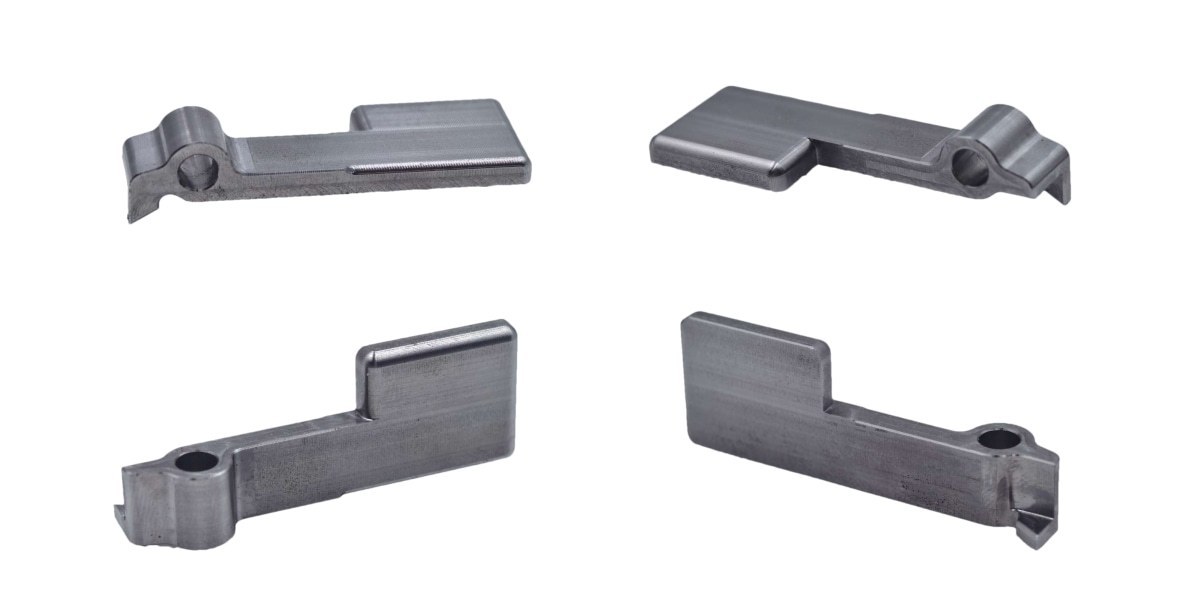
A supplier that views quality standards as non-negotiable is one that understands the critical role every single component plays. This commitment is the foundation of a partnership that delivers not just parts, but peace of mind.
Beyond ISO 9001: The Power of AS9100D and Other Industry-Specific Certifications
While ISO 9001 serves as a foundational Quality Management System (QMS) standard, many industries require more specialized and stringent controls. For a CNC milling supplier, holding certifications beyond ISO 9001 isn't just a bonus—it's a clear indicator of their expertise and commitment to meeting the rigorous demands of high-stakes sectors. These advanced certifications demonstrate a supplier's capability to handle complex requirements related to safety, traceability, and risk management.
AS9100D: The Aerospace Standard of Excellence AS9100D is the internationally recognized quality standard for the aviation, space, and defense industries. It incorporates all the elements of ISO 9001 but adds approximately 100 additional requirements tailored specifically for the aerospace sector. These additions are critical for ensuring the utmost safety and reliability of components where failure could have catastrophic consequences.
Key aerospace-specific requirements in AS9100D include:
- Enhanced Risk Management: A structured process for identifying and mitigating risks throughout production.
- Stringent Configuration Management: Tightly controlling and documenting all changes to design and processes.
- Counterfeit Part Prevention: Mandates robust procedures to prevent fraudulent or unapproved parts from entering the supply chain.
- First Article Inspection (FAI): Requires a detailed inspection and verification of the first production-run part against all specifications, governed by the AS9102 standard.
- Full Traceability: Demands complete lot and batch traceability from raw material to finished part, ensuring any issue can be traced to its source.
For a buyer, choosing an AS9100D-certified supplier provides assurance that the manufacturer's processes are optimized for consistency, safety, and regulatory compliance, making them a trusted partner for critical aerospace components.
Industry-Specific Certifications at a Glance
Different industries have their own unique quality demands, leading to the development of specialized certifications. A top-tier supplier often holds multiple certifications, showcasing their versatility and deep understanding of various regulatory landscapes.
| Certification | Industry Focus | Key Requirements & Benefits |
|---|---|---|
| AS9100D | Aerospace & Defense | Focuses on product safety, counterfeit prevention, risk management, and full traceability. Essential for suppliers to major aerospace OEMs. |
| ISO 13485 | Medical Devices | Emphasizes patient safety, risk management throughout the product lifecycle, and strict documentation for regulatory compliance (Device History Records). It requires process validation and contamination control. |
| IATF 16949 | Automotive | Aims to prevent defects and reduce variation and waste in the automotive supply chain. It requires rigorous process control, FMEA (Failure Mode and Effects Analysis), and PPAP (Production Part Approval Process). |
When evaluating a potential supplier, don't just look for an ISO 9001 certificate. Inquire about industry-specific certifications relevant to your project. A supplier with a portfolio of certifications like AS9100D, ISO 13485, or IATF 16949 demonstrates a mature and robust quality culture, capable of navigating complex regulatory environments and delivering parts that meet the highest standards of safety and performance. This level of qualification signals a partner prepared to support your project's most demanding needs.
Key Elements of High-Performance Standards (Risk Management, Counterfeit Prevention, FAI)
High-performance quality standards are more than a certificate on a wall; they are a living system composed of proactive, interconnected processes designed to ensure part conformity, safety, and reliability. For a CNC milling supplier, mastering these elements is what separates them from the competition. Three of the most critical components are a robust risk management framework, stringent counterfeit prevention protocols, and a meticulous First Article Inspection (FAI) process.
Proactive Risk Management
In high-stakes industries like aerospace, risk management isn't about solving problems after they happen—it's about preventing them from occurring in the first place. A mature CNC supplier embeds risk management into every stage of their operation, from quoting to shipping. This is a core requirement of the AS9100D standard, which mandates a formal process for identifying, evaluating, and mitigating risks that could affect product conformity or on-time delivery.
A supplier practicing effective risk management will:
- Conduct FMEAs (Failure Mode and Effects Analysis): Systematically analyzing potential failures in both design (DFMEA) and manufacturing (PFMEA) to address weaknesses before production starts.
- Maintain Risk Registers: Documenting potential risks, their severity, and the specific mitigation plans in place.
- Integrate Risk-Based Thinking: Proactively considering "what could go wrong?" at every step, from tool selection and programming to workholding and inspection strategies. This is a significant step beyond simply reacting to nonconformances.
By focusing on risk, a supplier demonstrates a deep understanding of process control and a commitment to ensuring product safety and reliability.
Vigilant Counterfeit Prevention
The infiltration of counterfeit parts into the supply chain poses a grave threat, particularly in aerospace and defense, where a single fake component can lead to catastrophic failure. AS9100D Clause 8.1.4 explicitly requires organizations to implement a process to prevent the use of counterfeit parts. This is not a passive requirement; it demands an active defense.
A supplier with a strong counterfeit prevention program will:
- Procure from Authorized Sources: Purchase materials and components directly from original manufacturers (OEMs) or their authorized distributors to ensure a clear chain of custody.
- Implement Rigorous Incoming Inspection: Conduct thorough verification of materials upon receipt, including checking documentation, visually inspecting markings and packaging, and performing tests to confirm authenticity.
- Ensure Full Traceability: Maintain meticulous records that trace every part back to its original material certification, providing an auditable trail.
- Train Personnel: Educate employees in purchasing and receiving on how to identify and handle suspected counterfeit items.
- Control Nonconforming Product: Quarantine and report any suspect parts to prevent them from re-entering the supply chain.
Asking a potential supplier about their specific counterfeit prevention plan is crucial for safeguarding the integrity of your product.
First Article Inspection (FAI)
First Article Inspection is a cornerstone of production process verification in aerospace and other high-reliability sectors. Governed by the AS9102 standard, FAI is a formal method for proving that a new or modified production process is capable of producing a part that conforms to all engineering and design requirements. It's not just an inspection of one part; it's a validation of the entire manufacturing method.
An FAI is typically required for:
- The first production run of a new part.
- After a change in design, material, or manufacturing process that could affect fit, form, or function.
- Following a lapse in production for two years or more.
The FAI process culminates in a First Article Inspection Report (FAIR), which consists of three key forms:
- Form 1: Part Number Accountability: Identifies the part being inspected.
- Form 2: Product Accountability: Documents all materials, special processes, and functional tests used.
- Form 3: Characteristic Accountability: Details every single design characteristic from the drawing (often "ballooned" for clarity), along with its measured result and the inspection method used.
A diligently completed FAIR provides objective evidence that the supplier's process is locked in and capable of repeatedly producing conforming parts. It is one of the most powerful tools for ensuring quality before committing to full-scale production.
Essential Capabilities and Expertise Every CNC Milling Parts Supplier Needs
A supplier's certifications tell you about their processes, but their true value lies in their tangible capabilities and deep expertise. When selecting a partner for your CNC milling project, it's crucial to look beyond the paperwork and assess their technical prowess. The right supplier will possess a combination of advanced machinery, a mastery of diverse materials, and a robust infrastructure for ensuring precision. These three pillars—machining capabilities, material expertise, and metrology—form the foundation of a supplier who can turn your complex designs into flawless physical components.
Machining Capabilities: From 5-Axis to EDM
A supplier's machining capabilities directly determine the complexity, precision, and efficiency with which your parts can be produced. A well-equipped shop will offer a range of technologies to suit different applications, from fundamental 3-axis milling to highly advanced multi-axis and non-traditional methods.
3-Axis vs. 5-Axis CNC Machining The most fundamental distinction in milling is between 3-axis and 5-axis machines.
- 3-Axis Machining: The tool moves along the X, Y, and Z linear axes. It is cost-effective and efficient for parts with simpler geometries where features are primarily on one or two faces. However, complex parts may require multiple manual setups, increasing time and the potential for alignment errors.
- 5-Axis Machining: This technology adds two rotational axes to the three linear ones, allowing the tool or workpiece to tilt and rotate. This enables the machining of highly complex shapes, undercuts, and angled features in a single setup. The key advantages are:
- Improved Accuracy: Eliminating multiple setups reduces the risk of cumulative tolerance errors.
- Greater Complexity: Makes it possible to create parts with organic curves and intricate geometries that would be impossible or impractical with a 3-axis machine.
- Better Surface Finish: The tool can be kept tangent to the cutting surface, resulting in a smoother finish and reducing the need for secondary polishing.
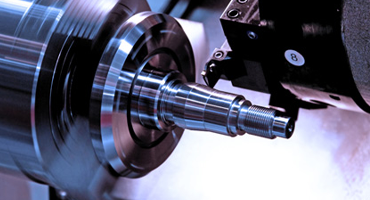
Turn-Mill Centers: The Best of Both Worlds Turn-mill centers are sophisticated multi-tasking machines that combine the capabilities of a CNC lathe (turning) and a milling machine. This allows for both rotational and prismatic features to be machined on a single platform without moving the part. For components like complex shafts, valve bodies, or aerospace structural parts, turn-mill centers offer:
- Complete Machining: Parts can go from raw stock to a finished component in one operation.
- Enhanced Precision: Preserves tight geometric relationships between turned and milled features by avoiding re-clamping.
- Reduced Lead Times: Eliminates the time spent moving parts between different machines.
Electrical Discharge Machining (EDM): Precision Through Sparks EDM is a non-traditional machining process that uses controlled electrical sparks to erode material. Because it's a non-contact process, it eliminates mechanical stress, making it ideal for delicate parts or extremely hard materials that are difficult to cut with traditional tools. The main variants are:
- Wire EDM: Uses a thin, charged wire to cut intricate 2D profiles and create sharp internal corners that a milling cutter cannot produce.
- Die-Sinking (Ram) EDM: Uses a shaped electrode to "sink" a negative impression into the workpiece, creating complex cavities and features.
The table below summarizes which technology is best suited for different manufacturing scenarios.
| Machining Technology | Best For | Key Advantages |
|---|---|---|
| 3-Axis Milling | Simple, prismatic parts with features on a few faces. | Cost-effective, fast setup for simple jobs. |
| 5-Axis Milling | Complex, multi-sided parts with contoured surfaces and angled features. | Single-setup accuracy, superior surface finish, design freedom. |
| Turn-Mill Centers | Rotationally symmetric parts requiring additional milling/drilling (e.g., shafts with flats). | "Done-in-one" production, high accuracy for combined features. |
| EDM | Extremely hard materials, sharp internal corners, delicate or thin-walled parts. | No tool pressure, machines any conductive material regardless of hardness. |
A supplier with a diverse range of these technologies is not just a machine shop; they are a solutions provider who can select the most efficient and effective process to bring your design to life with the highest quality.
Material Mastery: Handling Challenging Alloys
The performance of a CNC milled part is intrinsically linked to the material it's made from. While common materials like aluminum and steel are staples of any machine shop, a truly expert supplier distinguishes themselves by their ability to master "exotic" or difficult-to-machine alloys. These materials are sought after for their exceptional properties—such as extreme heat resistance, high strength-to-weight ratio, or superior corrosion resistance—but they present significant machining challenges.
A supplier with deep material expertise demonstrates this through:
- Specialized Knowledge: Understanding the unique behavior of each alloy during cutting.
- Process Optimization: Developing specific strategies for speeds, feeds, and toolpaths.
- Advanced Tooling: Investing in the right cutting tools with appropriate coatings and geometries.
- Effective Thermal Management: Using high-pressure coolant and other techniques to control heat, which is a major issue with many challenging alloys.
Machining Titanium Alloys (e.g., Ti-6Al-4V) Titanium is prized in aerospace and medical industries for its high strength-to-weight ratio and excellent corrosion resistance. However, it is notoriously difficult to machine due to its low thermal conductivity, which causes heat to build up at the cutting tool, leading to rapid tool wear. An expert supplier will use specific carbide tools, low cutting speeds, high-pressure coolant, and rigid machine setups to manage these challenges effectively.
Tackling Nickel-Based Superalloys (e.g., Inconel®, Hastelloy®) Inconel and other superalloys are designed for the most extreme environments, such as jet engine turbines and chemical processing equipment, offering incredible strength at temperatures that would weaken other metals. Their primary challenge is severe work hardening, where the material becomes harder as it is being cut. Machining Inconel requires:
- Very rigid machines and fixtures to prevent vibration.
- Sharp, tough cutting tools and a low cutting speed.
- A "heavy" depth of cut to stay below the previously work-hardened layer.
Working with High-Performance Polymers (e.g., PEEK, Torlon®) High-performance plastics like PEEK (Polyether Ether Ketone) are replacing metals in many medical, aerospace, and semiconductor applications due to their chemical resistance, lightweight nature, and high-temperature stability. While softer than metals, they have their own challenges. PEEK has a low melting point and poor thermal conductivity, which can lead to melting or warping if not machined correctly. A skilled supplier will use very sharp tools, high spindle speeds with aggressive feed rates to remove material quickly, and often compressed air or mist instead of liquid coolant to prevent thermal shock and material absorption.
Below is a comparative look at the challenges associated with these materials:
| Material Type | Key Properties | Primary Machining Challenges | Required Supplier Expertise |
|---|---|---|---|
| Titanium Alloys | High strength-to-weight ratio, corrosion resistance. | Low thermal conductivity, high tool wear. | Rigid setups, specialized tools, effective coolant strategies. |
| Nickel Superalloys | Extreme heat resistance, high strength. | Severe work hardening, poor thermal conductivity. | Powerful machines, specific cutting strategies, advanced tooling. |
| High-Perf. Polymers | Chemical resistance, lightweight, temp. stability. | Low melting point, tendency to warp or melt, burring. | Sharp tooling, optimized speeds/feeds, careful thermal management. |
When you see a supplier showcasing their experience with these challenging materials, it signals that they have invested in the right equipment, processes, and—most importantly—the expertise to handle the toughest manufacturing jobs. This mastery is a strong indicator that they can reliably produce high-quality parts, regardless of the material specified.
Tolerance Capability and Metrology Infrastructure
The ability to consistently hold tight tolerances is a hallmark of a premier CNC milling supplier. Tolerances—the acceptable range of variation in a part's dimensions—are critical for ensuring parts fit together and function correctly, especially in high-performance assemblies. However, claiming the ability to hold tight tolerances is one thing; proving it requires a robust and sophisticated metrology infrastructure.
Understanding Tight Tolerances In CNC machining, a "tight" tolerance generally refers to dimensions held within ±0.001 inches (0.0254 mm) or better. For some mission-critical applications in the medical or aerospace sectors, tolerances can be as fine as a few microns (a micron is one-thousandth of a millimeter). Achieving this level of precision is not accidental. It depends on a combination of factors, including:
- High-Quality, Rigid Machines: Well-maintained and calibrated machines that minimize vibration and thermal expansion.
- Controlled Environment: A temperature-controlled facility to prevent dimensional changes in parts and machinery.
- Skilled Programming: Using advanced toolpaths and multiple finishing passes to achieve dimensional accuracy and superior surface finishes.
- Proper Tooling: Selecting the right cutting tools and holders to minimize deflection and runout.
The Role of GD&T (Geometric Dimensioning and Tolerancing) Modern engineering drawings increasingly rely on GD&T, a symbolic language used to define not just the size of features, but also their form, orientation, and location relative to one another. GD&T communicates the functional intent of a part. A supplier must be fluent in GD&T to understand how to both machine and inspect features like:
- True Position: The precise location of a hole or feature.
- Flatness and Parallelism: The geometric relationship between surfaces.
- Runout: The variation of a rotating feature relative to an axis.
The ability to fulfill GD&T requirements is a clear sign of a supplier's advanced capabilities.
The Power of CMM Inspection The cornerstone of a modern metrology department is the Coordinate Measuring Machine (CMM). A CMM is an automated device that uses a probe to take highly precise measurements of a part's geometry in three dimensions. Unlike manual tools like calipers or micrometers, which can only measure simple dimensions, a CMM can:
- Verify Complex Geometries: Accurately measure contoured surfaces, angles, and intricate features.
- Assess GD&T Requirements: Provide quantitative data on position, profile, and other geometric tolerances that are difficult or impossible to check manually.
- Generate Detailed Reports: Create comprehensive inspection reports that compare the physical part directly to the CAD model, providing documented proof of conformance.
A supplier that has invested in advanced CMM technology and employs skilled metrologists demonstrates a serious commitment to quality assurance. They are not simply making parts; they are verifying that every critical feature meets the exact design specification. This capability is essential for providing the confidence needed for mission-critical components.
When evaluating a supplier, ask to see their inspection lab and review a sample CMM report. A well-equipped and organized metrology department is a powerful indicator of a supplier's dedication to precision.
How to Thoroughly Evaluate a Potential CNC Milling Parts Supplier
Selecting the right CNC milling partner requires a diligent and structured evaluation process. It goes beyond comparing quotes; it’s about verifying capabilities, scrutinizing quality systems, and assessing the supplier’s overall reliability. A thorough evaluation will give you the confidence that your chosen partner can deliver high-quality parts on time and to specification, consistently. This process involves a deep dive into their certifications, a willingness to conduct on-site audits, and a careful assessment of their operational performance in areas like traceability and project management.
Verifying Certifications and Quality System Maturity
A supplier's certifications are a critical starting point in your evaluation, but a certificate on its own tells you very little. You must actively verify its legitimacy and, more importantly, assess the maturity of the Quality Management System (QMS) that underpins it. A mature QMS is not just about passing an audit; it's about a deep-seated culture of quality that drives continuous improvement.
How to Verify a Supplier's Certification
Never take a certificate at face value. A PDF can be outdated, altered, or cover a scope that is irrelevant to your project. Follow these steps to ensure a certification is valid and applicable:
- Request a Full Copy: Ask the supplier for a complete copy of their certificate. Note the full legal name, the physical site address, the issuing certification body, the standard (e.g., ISO 9001:2015, AS9100D), and the issue and expiry dates.
- Examine the Scope: This is one of the most critical steps. The "scope" statement defines exactly which activities and locations are covered by the certification. Ensure that "CNC machining" or a related process is explicitly mentioned and that the physical address of the manufacturing facility is correct. An ISO 9001 certificate for a sales office provides no assurance for the manufacturing plant.
- Verify with the Source: Do not rely solely on the document provided. Use independent channels for verification.
- For AS9100: Use the IAQG OASIS (Online Aerospace Supplier Information System) database. You can search by company name to confirm the certificate's status, scope, and site.
- For ISO 9001 and others: Many certification bodies have online registries or "certificate checker" tools on their websites where you can search by certificate number or company name. Alternatively, you can use the global IAF CertSearch database.
- Check Accreditation: Confirm that the certification body itself is accredited by a recognized national or international body (e.g., UKAS in the UK, ANAB in the US). This ensures the audit process was legitimate.
Assessing Quality System Maturity
A valid certificate proves a supplier has a QMS in place, but it doesn't reveal how well that system functions. A mature QMS moves beyond simply reacting to problems and becomes a proactive, data-driven framework for excellence. The Capability Maturity Model (CMM) provides a useful scale for assessing this:
| Maturity Level | Characteristics of the QMS | What it Means for You |
|---|---|---|
| Level 1: Initial | Processes are unpredictable, poorly controlled, and reactive. Success depends on individual "heroics." | High risk of inconsistencies, defects, and delays. Lacks systemic control. |
| Level 2: Managed | Basic project management processes are established to track cost, schedule, and functionality. | Some level of repeatability on similar projects, but still reactive to issues. |
| Level 3: Defined | Processes are well-documented, standardized, and integrated into a company-wide QMS. | Consistent performance and quality. The organization follows a standard, approved process. |
| Level 4: Quantitatively Managed | The organization uses statistical and other quantitative methods to control and measure processes. | Data-driven decision-making. The supplier can predict performance and identify process variations before they cause defects. |
| Level 5: Optimizing | Focus on continuous process improvement through quantitative feedback and piloting innovative ideas. | A true partner dedicated to proactive improvement, efficiency, and driving better outcomes for you. |
A supplier with a mature QMS (Level 3 and above) will have robust systems for corrective and preventive actions (CAPA), a strong focus on data analysis, and a culture of continuous improvement that is evident at all levels of the organization. They don't just fix problems; they learn from them to make the entire system better.
During your evaluation, ask questions that probe this maturity. Inquire about their CAPA process, their use of Statistical Process Control (SPC), and how they use data to drive improvement. The answers will reveal whether they have a "paper" QMS or a truly living, breathing system dedicated to quality.
The Importance of Supplier Audits and Documentation Review
While certifications provide a baseline, they don't tell the whole story. The most reliable way to gauge a supplier's true capabilities and commitment to quality is through direct evaluation: conducting an on-site audit and performing a meticulous review of their quality documentation. These actions provide tangible, real-world evidence of their processes, controls, and culture.
Why On-Site Audits are Invaluable
An on-site audit allows you to see beyond the sales pitch and witness the supplier's operations firsthand. "Seeing is believing" is especially true in manufacturing. A physical visit enables you to:
- Verify Processes in Action: Observe their workflow, from incoming material inspection to final packing. Do their actual practices on the shop floor match the procedures described in their quality manual?
- Assess Facility and Equipment: Evaluate the cleanliness, organization, and maintenance of their facility and machinery. A well-maintained shop floor often correlates with a disciplined approach to quality.
- Identify Risks: Uncover potential risks that wouldn't be visible on paper, such as inadequate safety measures, poor material handling, or disorganized tool management.
- Meet the Team: Interact with the engineers, machinists, and quality personnel. This allows you to gauge their expertise, professionalism, and commitment to quality. A strong, engaged team is one of a supplier's greatest assets.
An audit isn't about finding fault; it's a collaborative process to verify that the supplier's systems are robust enough to meet your requirements and to build a transparent, trusting relationship.
 An on-site audit allows for direct observation of a supplier's processes and quality culture.
Key Documentation to Review
A supplier's documentation is the "paper trail" that proves their quality system is functioning. Requesting and reviewing these documents is a critical step in your evaluation. A mature and reliable supplier should be able to provide these readily.
Here is a checklist of essential quality documents to request and review:
| Document Type | What to Look For | Why It's Important |
|---|---|---|
| Quality Manual | A high-level overview of their Quality Management System (QMS), outlining policies, objectives, and structure. | Demonstrates a formalized and structured approach to quality management. |
| Control Plan | A detailed plan showing how they control critical features during the manufacturing process. | Shows they have a proactive plan for ensuring key dimensions and characteristics meet specifications. |
| Work Instructions & SOPs | Step-by-step Standard Operating Procedures (SOPs) for key processes like machine setup, in-process inspection, and material handling. | Verifies that they have standardized processes to ensure consistency, regardless of who is performing the task. |
| Calibration Records | Records showing that all inspection tools (calipers, micrometers, CMMs) are regularly calibrated against traceable standards. | Guarantees that their measurements are accurate and reliable. |
| First Article Inspection (FAI) Reports | Sample FAI reports (AS9102 for aerospace) from previous, similar projects. | Proves their ability to perform and document a complete verification of a part against its design specifications. |
| Material Certifications & Traceability Records | Examples of how they trace a finished part back to its raw material certificate (mill cert) via lot or heat numbers. | Confirms they have a robust system to ensure material authenticity and traceability, which is critical for compliance and safety. |
| Corrective Action (CAPA) Reports | Records of how they have handled past nonconformances, from root cause analysis to implemented corrective actions. | Reveals their problem-solving maturity. A good supplier identifies the true root cause to prevent recurrence, not just fix the immediate issue. |
Reviewing these documents gives you a clear picture of the supplier's quality discipline. A supplier who is organized, transparent, and can produce comprehensive documentation is far more likely to be a reliable long-term partner than one who struggles to provide this evidence.
Assessing Traceability, Lead Time, and Project Management
Beyond technical capabilities and quality systems, a supplier's operational effectiveness is a crucial factor in building a reliable partnership. How they manage the flow of information, materials, and production will directly impact your project's success. Three key areas to assess are material traceability, lead time predictability, and project management discipline. These elements reveal a supplier's commitment to transparency, reliability, and communication.
Unbreakable Material Traceability
Material traceability is the ability to track every part and component back to its source. For industries like aerospace, medical, and automotive, this is not just a best practice—it is a non-negotiable requirement. True traceability creates an unbroken chain of documentation connecting the finished part on your assembly line to the original raw material certificate from the mill.
A supplier with a robust traceability system can:
- Provide a Unique Identifier: Each production lot is assigned a unique number that links it to all associated records.
- Connect Physical Material to Documentation: This identifier appears consistently on the part (if required), packaging, internal work orders (travelers), and all final documentation.
- Produce a Complete Document Package: Upon request, they can furnish a full "trace pack" that includes the material certificate (with heat/lot number), certificates of conformance for any outside processes (like heat treating or plating), and the final inspection report.
This level of detailed tracking is vital for regulatory compliance, quality investigations, and containing the impact of any potential material defects. A supplier's inability to provide a clear and complete traceability trail is a significant red flag.
Realistic and Reliable Lead Times
Lead time—the period from order confirmation to part delivery—is often a major point of friction between customers and suppliers. A reliable supplier provides realistic lead times and has systems in place to meet them consistently. It's important to understand that lead time is more than just machine time. It encompasses:
- Engineering Review and Programming: Time to review drawings and prepare CNC programs.
- Material Procurement: Sourcing raw materials, which can take weeks for exotic or non-standard alloys.
- Machine Queue: The time a job waits for an available machine. Active machining time is often a small fraction of the total lead time.
- Secondary Operations: Time for outside processes like heat treatment, anodizing, or grinding.
- Inspection and Documentation: Quality control checks and preparation of all required paperwork.
When evaluating a supplier, discuss their lead time estimates in detail. Ask about their current capacity and how they account for these different stages. A trustworthy supplier will provide a transparent breakdown and communicate proactively if any unforeseen delays arise. Be wary of a supplier who consistently promises unrealistically short lead times, as this can be a sign of poor planning or a willingness to overpromise and underdeliver.
Disciplined Project Management and Communication
Effective project management is the "glue" that holds the entire manufacturing process together. It ensures clear communication, smooth coordination, and proactive problem-solving. A supplier with strong project management capabilities will typically have:
- A Single Point of Contact: A dedicated project manager or account representative who is responsible for your project and provides regular updates.
- A Structured Process: A well-defined workflow for managing projects from the initial quote and design review to final delivery.
- Proactive Communication: They don't wait for you to ask for an update. They inform you of progress, flag potential issues early, and collaborate on solutions.
- Collaboration Tools: Many advanced suppliers use project management software or customer portals to provide real-time visibility into project status.
Strong project management and clear communication are signs of a partner who is invested in your success. They understand that they are not just providing parts; they are providing a service. During your evaluation, pay close attention to the supplier's responsiveness and the clarity of their communication. This initial interaction is often a good indicator of how they will perform once the project is underway. Evaluating these operational aspects—traceability, lead time, and project management—is essential for finding a supplier that is not only technically proficient but also a reliable and communicative partner for producing your critical CNC Milling Parts.
Spotting Red Flags and Building Long-Term Partnerships with Your CNC Milling Parts Supplier
Choosing the right CNC milling supplier isn't a one-time transaction; it's the beginning of a crucial long-term partnership. The best suppliers act as an extension of your own team, contributing to your success through proactive communication, a shared commitment to quality, and a drive for continuous improvement. However, reaching this stage requires navigating a field of potential suppliers and skillfully identifying red flags that could signal future problems. By learning to spot these warning signs and understanding what a true quality partnership looks like, you can build a resilient and valuable relationship that ensures the success of your projects for years tocome.
Common Compliance Gaps and What to Watch Out For
When evaluating a potential CNC milling supplier, it’s crucial to look for red flags that can signal underlying problems with their quality systems, communication practices, or overall reliability. Spotting these warning signs early can save you from costly delays, poor quality parts, and significant frustration down the line. A seemingly good price quote can quickly become expensive if the supplier creates constant problems.
Here are some of the most common red flags and compliance gaps to watch for:
1. Poor Communication and Responsiveness Effective communication is the foundation of a good supplier partnership. If a supplier is slow to respond, provides vague answers, or fails to follow up during the initial quoting and evaluation process, this is a major warning sign.
- Red Flag: Unexplained delays in responding to emails or phone calls. A pattern of last-minute surprises indicates poor internal management.
- What it Signals: A reactive culture rather than a proactive one. If they can't manage communication effectively before they have your business, it will likely only get worse during production when problems arise.
2. Inability to Provide Key Documentation A mature, reliable supplier should have their quality documentation organized and readily available. Hesitation or an inability to provide these documents is a serious concern.
- Red Flag: They can't quickly produce a copy of their ISO 9001 or AS9100 certificate, a sample inspection report, or evidence of their material traceability process.
- What it Signals: Their quality system may be a "paper-only" system that isn't actively used, or worse, they may not have the processes in place that they claim. Legitimate suppliers are proud of their certifications and processes.
3. Vague or Inconsistent Quoting The quote is often your first formal interaction with a supplier. It should be clear, detailed, and professional.
- Red Flag: Quotes with missing details, unclear assumptions, or "bait-and-switch" pricing where essential services like deburring or standard inspection are added on later at an extra cost. Prices that seem "too good to be true" often are.
- What it Signals: A lack of attention to detail or, in some cases, dishonest business practices. A professional supplier will provide a transparent quote that itemizes costs and clearly states what is included.
4. A Disorganized Facility or Outdated Equipment If you conduct an on-site audit, the state of the facility can be very revealing.
- Red Flag: A cluttered, disorganized shop floor, poorly maintained machinery, and messy or damaged inspection tools. High employee turnover can also be a sign of internal instability.
- What it Signals: A lack of process discipline and a poor quality culture. A clean and organized workspace is often a reflection of a disciplined and systematic approach to manufacturing.
5. Undisclosed Subcontracting You are vetting a specific supplier for their capabilities, not a network of unknown third parties.
- Red Flag: The supplier outsources critical processes like machining or finishing without disclosing it. During an audit, if you see parts from other companies or evidence of processes they don't have equipment for, ask direct questions.
- What it Signals: A loss of control over quality and traceability. When work is subcontracted without your knowledge, you have no way to verify the subcontractor's quality systems or compliance.
The following table summarizes key warning signs and what they might indicate about a potential supplier:
| Red Flag | Potential Underlying Issue |
|---|---|
| Slow or Vague Communication | Poor project management, lack of customer focus. |
| Missing or Delayed Documentation | Immature or non-existent quality system. |
| Unrealistically Low Prices | Hidden costs, potential for corner-cutting on quality or materials. |
| Disorganized Facility | Lack of process discipline, poor quality culture. |
| Undisclosed Subcontracting | Loss of traceability and quality control. |
| Inconsistent Batch Quality | Poorly maintained equipment, inadequate process controls. |
Trust your instincts during the evaluation process. A pattern of small issues can point to larger, systemic problems that will inevitably impact your project.
Beyond Certification: Seeking Comprehensive Quality Partnerships
While certifications are a crucial starting point, they are the floor, not the ceiling. The most valuable CNC milling suppliers transcend the role of a mere vendor and become true strategic partners. This shift from a transactional relationship to a collaborative one is where long-term success is forged. A supplier who acts as a partner is invested in your project's outcome, proactively contributes their expertise, and works with you to overcome challenges and drive innovation.
Moving from a Transactional to a Strategic Relationship
The difference between a transactional vendor and a strategic partner lies in their approach to your business.
- Transactional Relationship: This is a simple buyer-seller arrangement focused on cost and delivery. The supplier fulfills purchase orders as they come in with minimal interaction beyond the immediate scope of the order. The relationship is often short-term and price-driven.
- Strategic Partnership: This is a long-term, collaborative relationship built on mutual trust and shared goals. The supplier becomes an extension of your own team, offering their expertise to improve your product and processes. They are focused on total value, not just the lowest price.
A strategic partner will engage with you on a deeper level by:
- Involving Themselves Early: They participate in the design phase, offering Design for Manufacturability (DFM) feedback to improve part quality, reduce costs, and accelerate production.
- Sharing Expertise: They leverage their deep knowledge of materials and machining processes to suggest improvements or alternative solutions you may not have considered.
- Aligning on Goals: They work to understand your project's ultimate objectives and align their processes to help you achieve them.
- Investing in Mutual Growth: They view your success as their own and are motivated to help you innovate and improve.
The Benefits of a True Quality Partnership
Cultivating a strategic partnership with your CNC supplier unlocks significant benefits that go far beyond just receiving parts. A true partner provides:
- Improved Quality and Innovation: By collaborating on design and process optimization, you can achieve higher quality standards and develop more innovative products. Suppliers at the cutting edge of technology can introduce you to new materials and manufacturing techniques.
- Reduced Total Cost of Ownership (TCO): While a strategic partner's initial quote may not always be the lowest, they help reduce TCO by minimizing defects, eliminating rework, and streamlining processes. This focus on long-term efficiency delivers greater savings than short-term price shopping.
- Enhanced Supply Chain Resilience: A partner you trust is one you can rely on during disruptions. Strong relationships built on transparency and shared risk management allow both parties to respond more effectively to unforeseen challenges.
- Faster Time-to-Market: Early collaboration in the design and prototyping phases helps identify and resolve potential manufacturing issues before they cause delays, ensuring a smoother and faster transition to production.
To find a supplier who is capable of this level of partnership, look for one who asks questions, offers suggestions, and shows a genuine interest in your project's success. Their willingness to engage beyond the quote is a strong indicator of their potential as a long-term strategic partner.
The Value of Communication and Continuous Improvement
In any long-term business relationship, the qualities that truly distinguish an exceptional partner from an adequate one are their commitment to communication and their dedication to continuous improvement. For a CNC milling supplier, these two pillars are not just "nice-to-haves"; they are fundamental to building trust, enhancing efficiency, and driving mutual success. A supplier who masters both becomes an invaluable asset to your operation.
Proactive Communication: The Cornerstone of Trust
Effective communication is the bedrock of any successful partnership. It goes beyond simply responding to emails; it involves proactive, transparent, and clear dialogue at every stage of a project. A supplier with a strong communication culture will:
- Set Clear Expectations: From the outset, they work with you to ensure all requirements, from technical specifications to delivery schedules, are clearly understood and agreed upon by both parties.
- Provide Regular Updates: A great partner doesn't leave you in the dark. They keep you informed of your project's status and provide visibility into their processes without you having to constantly ask for updates.
- Communicate Proactively About Problems: Delays and issues can happen in manufacturing. A trustworthy supplier doesn't hide them. They inform you of potential problems early, explain the cause, and work with you collaboratively to find a solution. This transparency builds trust and allows for better planning on your end.
- Establish a Clear Point of Contact: You know exactly who to talk to, whether it's a dedicated project manager or an engineer, ensuring that information flows efficiently and isn't lost in a complex organizational chart.
This level of communication prevents misunderstandings, minimizes disruptions, and fosters a sense of genuine partnership.
Continuous Improvement: A Commitment to Getting Better
Continuous improvement is an ongoing, systematic effort to enhance processes, products, and services. A supplier with a deeply ingrained culture of continuous improvement isn't content with "good enough." They are always looking for ways to become more efficient, reduce waste, and improve quality. This mindset benefits you directly.
A supplier committed to continuous improvement will:
- Invest in Technology and Training: They regularly upgrade their machinery, software, and tools, and they invest in ongoing training for their employees to keep their skills at the cutting edge.
- Leverage Data for Decision-Making: They use data from inspections, machine monitoring, and performance metrics to identify trends, pinpoint the root causes of problems, and make informed decisions to optimize their processes.
- Encourage Employee Involvement: They foster a culture where every employee, from the machine operator to the quality inspector, is empowered to suggest improvements.
- Shorten Production Cycles and Reduce Costs: By relentlessly seeking out and eliminating inefficiencies, they are able to shorten lead times and reduce operational costs—savings that can be passed on to you.
Ultimately, a supplier who prioritizes communication and continuous improvement is not just a vendor who makes parts. They are a dynamic partner who contributes to your competitive advantage. They help you build better products, get them to market faster, and operate a more resilient supply chain. When you find a supplier with these qualities, you've found a partner worth investing in for the long term.
Conclusion
Choosing a reliable CNC milling parts supplier is undoubtedly a complex but critical task that carries significant weight for the success of your projects. By methodically focusing on the core tenets of quality, capability, and partnership, you can navigate this decision with confidence. A thorough evaluation of robust quality standards, such as AS9100D and ISO 13485, provides the initial assurance of a controlled manufacturing environment. This must be complemented by a deep dive into their proven capabilities, from multi-axis machining and material mastery to their metrology infrastructure.
A rigorous evaluation process, including on-site audits and documentation review, is essential for separating the truly capable suppliers from those who merely look good on paper. Equally important is developing a keen eye for red flags while seeking out the hallmarks of a true partner—proactive communication, a collaborative spirit, and a relentless drive for continuous improvement.
Remember, the goal is not to find a mere vendor, but to forge a strategic partnership. A great supplier acts as an extension of your own team, a partner fully invested in your success, who consistently ensures the safety, quality, and efficiency of your projects. At Somi Custom Parts, we understand these critical needs intimately and are steadfastly committed to delivering the excellence and reliability your projects demand. We encourage you to share this guide and start a conversation with us about how a true quality partnership can elevate your next project.