
Parts Customization / Processing Service Expert

From concept to product
From prototyping to production, our production sites can handle all your manufacturing projects.
Home / All / CNC Machining Parts / CNC Milling Parts / Custom 304 Stainless Steel Mill-Turn Part - Milled Profile, Turned Bore and Drilled Holes in One Setup

Custom 304 Stainless Steel Mill-Turn Part - Milled Profile, Turned Bore and Drilled Holes in One Setup

Custom 304 Stainless Steel Mill-Turn Part - Milled Profile, Turned Bore and Drilled Holes in One Setup
Custom 304 Stainless Steel Mill-Turn Part - Milled Profile, Turned Bore and Drilled Holes in One SetupCustom 304 Stainless Steel Mill-Turn Part - Milled Profile, Turned Bore and Drilled Holes in One SetupCustom 304 Stainless Steel Mill-Turn Part - Milled Profile, Turned Bore and Drilled Holes in One SetupCustom 304 Stainless Steel Mill-Turn Part - Milled Profile, Turned Bore and Drilled Holes in One SetupCustom 304 Stainless Steel Mill-Turn Part - Milled Profile, Turned Bore and Drilled Holes in One Setup
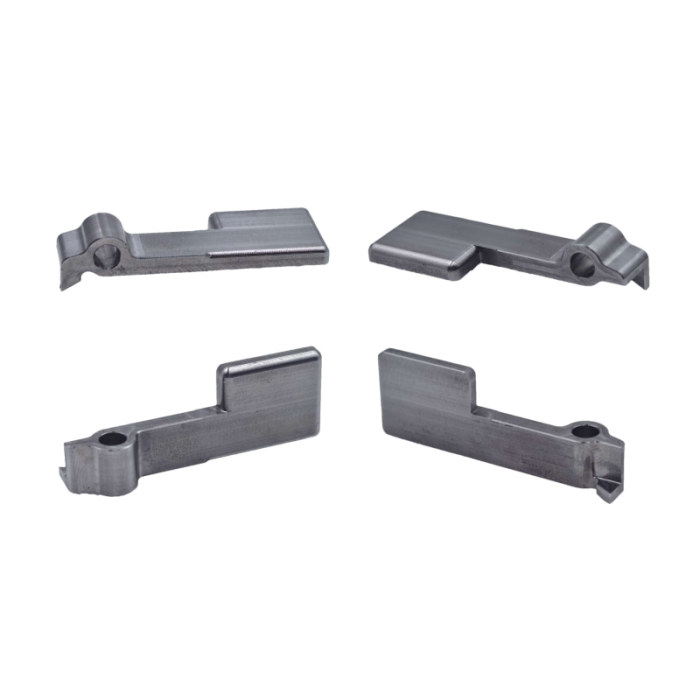
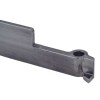
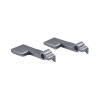
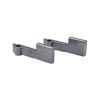
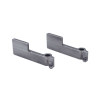
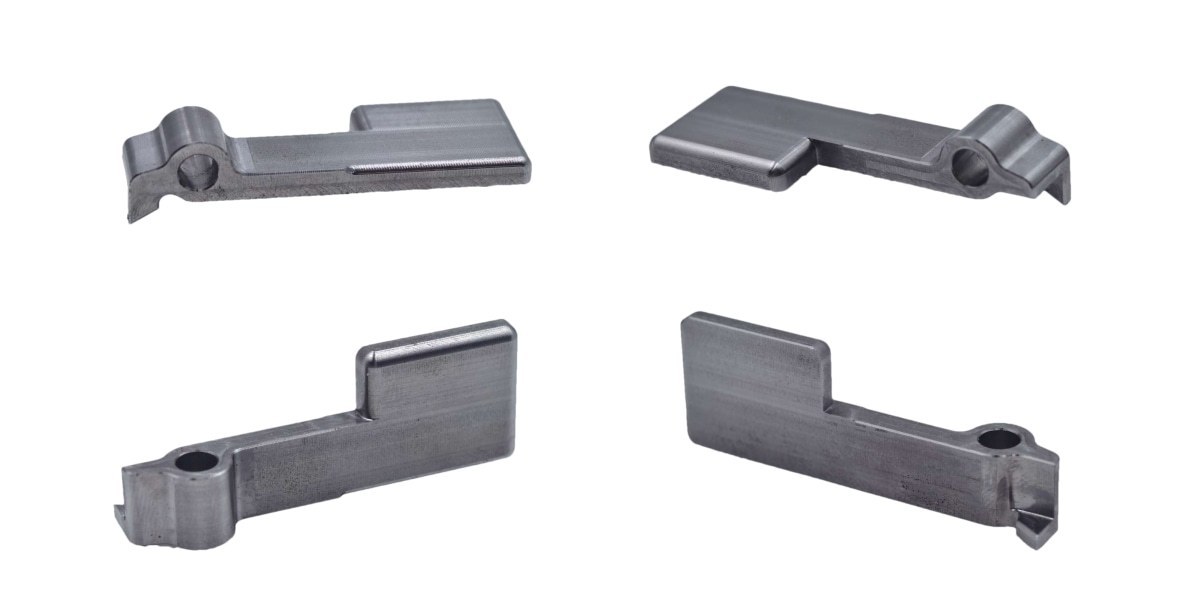
304 stainless mill-turn part: milled profile, turned bore, drilled holes in one chucking. As-machined finish.
Share
CategoriesCNC Milling Parts
BrandSOMI Custom Parts Manufacturer
Material304 stainless steel, bar / billet stock
MachineCNC mill-turn machining center
One-Setup OperationsProfile milling, bore turning, hole drilling
Secondary FeaturesSide notch, chamfers, deburred edges
SurfaceAs-machined, fine uniform tool marks
ToleranceStandard CNC tolerances; critical features per drawing
ApplicationStructural axis part with turned bore
FOB portRongQi Port
Terms of PaymentWestern Union, T/T, Paypal
Detail Information

Custom 304 stainless steel mill-turn part with milled profile and turned bore, as-machined finish
Custom project · CNC mill-turn

304 Stainless Steel Mill-Turn Part: Milled Profile, Turned Bore, One Setup

A compact structural component in 304 stainless steel that combines milling and turning work in a single cycle. On a CNC mill-turn center the outer profile and steps are milled, the bore is turned and the holes are drilled — finished in one chucking, so the features stay in register with each other piece to piece. The milled flats, stepped shoulder, through-hole with side notch and chamfered edges all come from that one-setup approach.

304 SSstainless workpiece, as-machined finish
3 opsmill, turn and drill in one chucking
Drawing-drivendimensions set from the customer drawing

Why This Part Runs on a Mill-Turn Center

The component mixes rotated features (the bore) with prismatic features (milled profile, steps, flats, drilled holes and a side notch). Splitting that work across a mill and a lathe means two setups; a mill-turn machine closes the gap.

One chucking, every feature

The outer profile is milled, the bore is turned and the holes are drilled without unclamping or re-fixturing. What used to be a mill operation, then a lathe operation, then a drill press step collapses into one program run.

Feature-to-feature accuracy

Nothing is re-located between operations, so the distance and squareness from bore to milled flats and from hole to notch are held by the machine's own positioning, not by how accurately a second setup happened to land.

A real turned bore

The internal diameter is produced by turning, not by boring or end-milling a hole closed to size. That gives a rounder bore with a more consistent wall — the difference that matters when the part locates a shaft, pin or fastener.

Fast from sample to repeats

No dies and no dedicated fixtures: the part is defined by its CAD/CAM program and stock material. Sample rounds, small batches and drawing revisions all run through the same setup, with only the program changing.

Specification

The callouts that drove fit and function on this build. Dimensions and tolerances follow the customer drawing.

ItemThis build
CategoryCNC machining › mill-turn complex parts
Material304 stainless steel, bar or billet stock
MachineCNC mill-turn machining center
Operations in one setupMilling of outer profile, flats and stepped sections; turning of the internal bore; drilling of holes
Secondary featuresSide notch at the hole end, chamfered edges and corners, deburred sharp edges
SurfaceAs-machined — uniform metallic look with fine, even tool marks
ToleranceStandard CNC machining tolerances; critical features and hole positions per drawing
QuantityProject-based — one-off samples through repeat production
ReferenceCustomer physical sample and drawing

What Is on the Part

Machined element groups, each made by a different toolpath, combined in one solid stainless component.

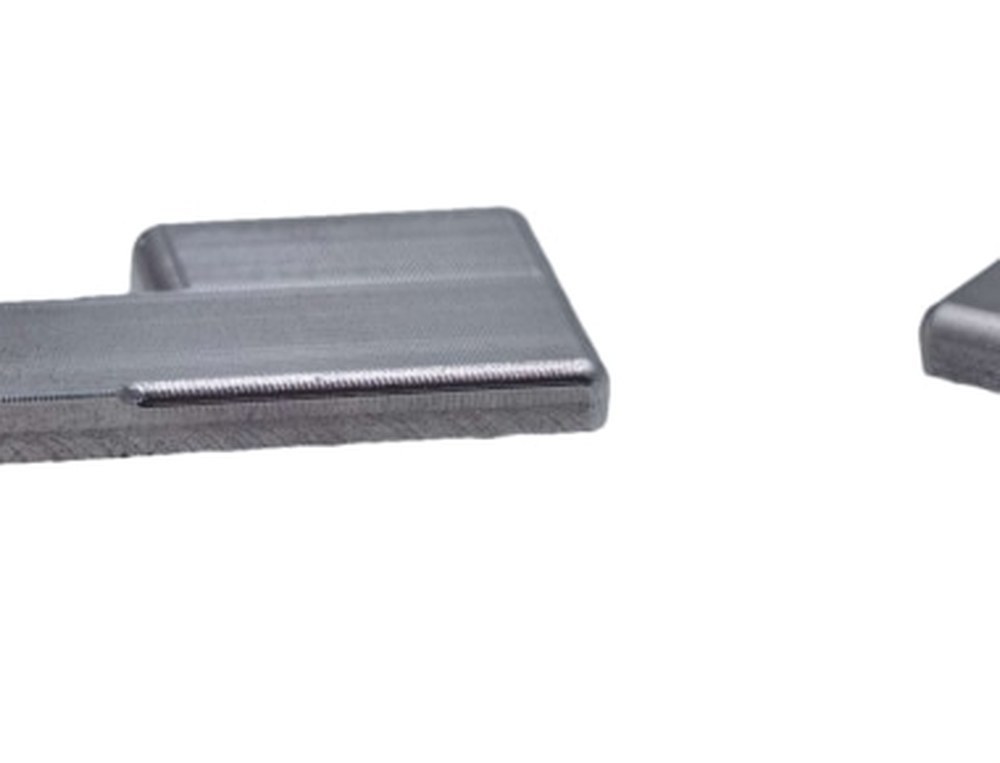
Milled outer profile, stepped thickness and drilled through-hole with side notch on the 304 stainless part

Milled Profile and Steps

The elongated arm, the raised rectangular block and the two-level thickness are face- and profile-milled, with the stepped shoulder machined in place rather than built up or joined. The rectangular notch beside the hole is cut in the same cycle, so hole-to-notch alignment is machine-held.

  • Outer contour and flats face and profile milled
  • Two-level stepped thickness from the solid
  • Side notch cut in the same cycle as the hole
  • Chamfered top edges and corners
  • Deburred off the machine, ready to assemble
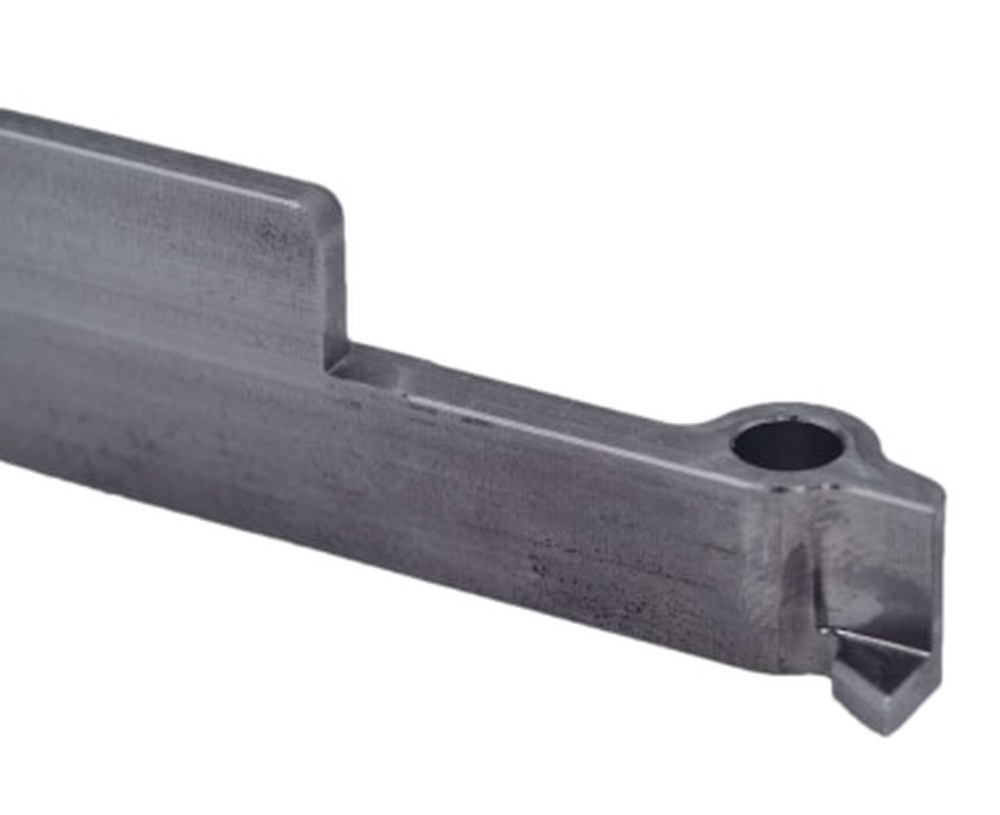
Turned bore in the raised hub of the mill-turn part, with the low arm extending from the same chucking

Turned Bore

The hub bore is produced by turning on the mill-turn axis — a smooth wall, a consistent diameter and a square shoulder at the bore bottom, with the part never leaving the chuck between the milled features and the turned one.

  • Bore turned, not bored or interpolated
  • Consistent wall and roundness
  • Square shoulder at the bore bottom
  • Hole position set from the drawing
  • No second setup to re-locate against

Process Decisions That Set the Result

Four sequencing choices decide both the geometry and the appearance of a part machined this way.

Rough first, finish last

Stock is roughed around the profile, then finishing passes run after the part has relaxed from its roughing cuts. The bore is finished near the end of the cycle, so clamping pressure never distorts the final diameter.

Clamp on stock, not on features

The vise or grip holds material that gets milled away later, keeping jaws clear of the finished flats, the bore and the drilled hole — every visible face comes out of the cycle clean.

Peck drilling through 304

Austenitic stainless work-hardens and wraps around dull tools. The hole is peck-drilled with steady coolant flow so chips clear the flutes and the hole stays straight through the full thickness.

As-machined finish, kept deliberately

The fine, even tool marks are the as-milled and as-turned surface. On 304 they read as a functional industrial finish — no tumbling or polishing step unless the drawing calls for it.

How It Was Made

Five stages from customer sample to finished, inspected parts.

01

Programming

The drawing or sample becomes a CAM program; tooling and work-holding are laid out so mill, turn and drill tools all reach the part in one chucking.

02

Mill profile

Outer contour, flats and the stepped shoulder are face and profile milled, including the side notch at the hole end.

03

Turn the bore

The spindle-drive axis indexes the part; the hub bore is turned to size with a finished shoulder, in the same clamping position.

04

Drill and deburr

The through-hole is peck-drilled, chamfers are cut around edges and corners, and remaining burr is cleared.

05

Inspection

Parts are checked against the drawing for profile, bore diameter, hole position and edge condition, then packed with protection between layers.

Mill-Turn, 3-Axis Milling or Separate Turning

All three routes can make a part like this in 304 stainless. What separates them is setups, feature register and volume — not material.

FactorMill-turn (used here)3-axis milling onlyMill, then separate lathe
SetupsOne chucking for mill, turn and drill workOne setup, but the bore must be milled or boredTwo setups, two machine queues
Bore qualityTruly turned — round, consistent wallBored or milled bore, tool-radius limits on size and finishTurned bore, good if the second setup lands true
Feature registerHeld by the machine, piece to pieceDepends on re-fixturing accuracy every partDepends on how the second setup locates
Best forRotated plus prismatic features, samples to productionPrismatic parts with non-critical boresLarge lots already split across shop schedules
Change costUpdate the program and runRe-fixture and re-program the boreRe-plan two setups and their fixtures

Rule of thumb from this build: when a part mixes a real bore with milled flats and drilled holes, mill-turn is the shortest honest path — the geometry that needs two machines is finished by one. If the design loses the turned bore, plain 3-axis milling can undercut it. Capability detail sits under CNC milling parts and CNC machining.

Questions Buyers Ask Before Ordering

Can you work from our physical sample instead of a drawing?

Yes. This project ran from a customer sample: profile, step heights, bore size and hole positions were measured off the supplied part. If drawings or a 3D file exist, send them with the sample — the drawing defines which features are critical and which are cosmetic.

Is there a minimum quantity for a milled and turned part?

No tooling floor exists to amortize — there are no dies or dedicated fixtures. One-off samples, small batches and repeat runs use the same program and setup; per-piece cost simply falls as quantity rises.

Why not just mill the bore instead of turning it?

A milled or bored internal diameter carries the radius of its tool and the marks of an interpolation path. Turning cuts the bore with the part rotating on-axis, which gives better roundness and a more even wall — worth doing in the same cycle when the part locates anything.

What surface will I actually receive?

The as-machined finish shown in the photos: clean metallic 304 with fine, uniform tool marks, all edges chamfered and deburred. If your design calls for bead blast, polish or passivation, say so at RFQ — a finishing step is added after machining.

What tolerances can this route hold?

Standard CNC machining tolerances apply, with critical bores and hole positions held to the customer drawing. Flag tight features at RFQ so probing and finishing allowances are built into the program from the start.

Can the same flow run other materials?

Yes. 304 is what this build called for. The same one-setup mill-turn sequence applies to other stainless grades, carbon steel, brass, copper and aluminum, with speeds, feeds, tooling and coolant adjusted per material

Need a milled-and-turned part in one setup?

Send a drawing, a 3D file or a physical sample. We will come back with the material callout, the mill-turn program plan — which faces get milled, where the bore gets turned, how the drilled holes sequence — plus the inspection items we will hold.

Review
  • 加载中···
We are committed to providing full-process services from prototyping to mass production. We provide rapid prototyping services to ensure that your design can be realized accurately and efficiently.

We hope to discuss potential cooperation opportunities with you and ask you to provide quotation information for your project. Looking forward to your reply and working with you to promote the success of your project!

*Email
*Name
*Phone
*Title
*Content
Upload
  • Only supports .rar/.zip/.jpg/.png/.gif/.doc/.xls/.pdf, maximum 20MB.
Address