Magnesium and Zinc Alloys in CNC Machining: Lightweight Options for Custom Parts
Magnesium and Zinc Alloys in CNC Machining: Lightweight Options for Custom Parts
Engineers are under constant pressure to cut weight without cutting performance. Magnesium and zinc alloys offer two very different answers — magnesium for the lightest structural parts you can machine, and zinc for tough, castable, highly machinable components with a premium feel. This guide breaks down the grades, the machining parameters, and the finishing steps that make both families practical for custom CNC parts.
Introduction: Why Lightweight Alloys Matter in 2026
The push for lighter components has never been stronger. The global magnesium alloy parts market was valued at roughly USD 3.48 billion in 2025 and is projected to reach USD 6.14 billion by 2032, a compound annual growth rate of about 8.45% (PW Consulting, 2025). Automakers, aerospace OEMs, robotics developers, and consumer-electronics brands are all converting structural parts from steel and aluminum to lighter alternatives to improve efficiency, extend battery range, and cut emissions.
The numbers inside a single vehicle tell the story: conventional cars use about 3.2 kg of magnesium per vehicle, while new-energy vehicles already average 5.8 kg as battery housings, seat frames, and body structures move to lightweight metals (GEP Research, 2026). The extruded magnesium alloy market alone is expected to climb from USD 1.42 billion in 2026 to USD 2.26 billion by 2033 (Stats N Data, 2026). Zinc, meanwhile, remains the workhorse of high-volume hardware — strong, dimensionally stable, and exceptionally easy to machine, with a density of 6.6 g/cm³ that gives finished parts a solid, premium “hand-feel.”
For a custom-parts buyer, the practical question is: which alloy do I machine, and how? This article compares the two families grade by grade, gives realistic machining parameters, and explains the finishing steps that keep magnesium and zinc parts reliable in service.
What Are Magnesium and Zinc Alloys?
Both are non-ferrous alloys that shine in specific niches, but they solve different problems.
Magnesium alloys are the lightest structural metals in commercial use. Pure magnesium has a density of 1.74 g/cm³ — about 33% lighter than aluminum (2.70 g/cm³) and 75% lighter than steel (7.85 g/cm³). Magnesium is alloyed mainly with aluminum, zinc, manganese, and rare-earth elements to improve strength, corrosion resistance, and high-temperature stability. Common CNC grades include AZ31B, AZ61A, AZ91D, ZK60, and WE43. Magnesium also absorbs vibration roughly ten times better than aluminum and provides natural EMI shielding, which is why it dominates laptop frames, camera bodies, drone structures, and EV housings.
Zinc alloys are best known through the Zamak family (Zamak 3, 5, 7) and the higher-aluminum ZA series (ZA-8, ZA-12, ZA-27). Zinc's melting point of roughly 380–420°C makes it ideal for die casting, but CNC machining of zinc is equally practical — it is among the easiest metals to cut, with very low cutting forces, long tool life, and excellent as-machined surface finish. Zinc parts are frequently electroplated with chrome, nickel, or brass, which is why you find them in door locks, faucets, automotive trim, and EMI-shielded enclosures.
Choose magnesium when weight reduction is the dominant requirement; choose zinc when you need strength, castability, easy machining, and premium plated finishes at low cost.
Key Benefits of Magnesium and Zinc Alloys
Extreme Lightweight
Magnesium is 33% lighter than aluminum and 75% lighter than steel — the highest specific strength among common structural metals.
Superior Machinability
Magnesium needs roughly 55% less power to machine than aluminum; zinc is one of the easiest metals to cut, with very low tool wear.
Strength-to-Weight Ratio
AZ31B reaches 260 MPa UTS at 1.74 g/cm³; ZA-27 zinc reaches about 420 MPa UTS for load-bearing hardware.
Vibration Damping
Magnesium absorbs vibration about 10x better than aluminum — critical for drone gimbals, robotics, and portable instruments.
EMI / RFI Shielding
Both families conduct electricity well and shield sensitive electronics; magnesium is widely used for RF shielding housings.
Excellent Finishing
Zinc takes plating (chrome, nickel, brass) beautifully; magnesium accepts chromate conversion, micro-arc oxidation, and e-coat.
Magnesium Alloys for CNC Machining: Grades at a Glance
Not all magnesium grades behave the same on a CNC spindle. The table below summarizes the grades we machine most often and their key mechanical properties.
| Alloy | Type | UTS (MPa) | Yield (MPa) | Elongation | Best For |
|---|---|---|---|---|---|
| AZ31B | Wrought (Mg-Al-Zn) | 260 | 200 | 15% | Brackets, structural parts, anodized components |
| AZ61A | Wrought | ~290 | ~230 | ~16% | Higher-strength aerospace and engineering parts |
| AZ91D | Cast (Mg-Al-Zn) | 240–250 | 160 | 3–7% | Housings, covers, cast-to-machine components |
| ZK60 / ZK61 | Wrought (Mg-Zn-Zr) | ~300+ | ~250 | ~10% | High-toughness aerospace, drones, racing parts |
| WE43 | Cast (Mg-RE) | 250 | 220–250 | ~2% | High-temperature service up to 300°C |
Typical machining tolerances for magnesium parts are ±0.01 mm, with ±0.005 mm achievable on selected features. As-machined surface finish ranges from Ra 3.2 μm (milled) down to Ra 0.8 μm (turned or bored). Minimum practical wall thickness is around 0.8 mm for small thin-wall housings.
Zinc Alloys for CNC Machining: Zamak and ZA Grades
Zinc is often seen as a casting material, but machining from billet or cast blanks is a proven route for prototypes, bridge tooling, and low-volume production where mold costs are not justified.
| Alloy | Composition | UTS (MPa) | Yield (MPa) | Hardness (HB) | Best For |
|---|---|---|---|---|---|
| Zamak 3 | Zn-4%Al | 280 | 220 | 82 | The industry baseline: stability, finishing, general hardware |
| Zamak 5 | Zn-4%Al-1%Cu | 330 | 260 | 91 | Higher strength, better creep resistance, automotive parts |
| ZA-8 | Zn-8.4%Al | ~370 | ~300 | ~100 | Bearing surfaces, elevated-temperature duty, wear parts |
| ZA-27 | Zn-27%Al | ~420 | ~380 | ~115 | Maximum strength and wear resistance (most abrasive to cut) |
Because zinc melts at only 380–420°C, thermal management is the number-one machining concern. Flood coolant, sharp tools, and high speeds with generous feed rates keep the cutting zone cool and prevent the gumminess (built-up edge) that ruins surface finish and tool life.
Magnesium vs Zinc: How to Choose the Right Lightweight Alloy
The choice is rarely about “which is better” — it is about which set of trade-offs fits your part's function, volume, and budget.
| Factor | Magnesium (AZ31B) | Zinc (Zamak 3) |
|---|---|---|
| Density | 1.74 g/cm³ — lightest structural metal | 6.6 g/cm³ — similar to steel |
| Machinability | Excellent; ~55% less power than aluminum | Excellent; among the easiest metals to cut |
| Corrosion resistance | Moderate — requires protective finishing | Good — often plated for long life |
| High-temperature duty | WE43 to 300°C; AZ grades lower | Limited — creep above ~100°C |
| Typical finishes | Chromate, micro-arc oxidation, e-coat, paint | Chrome / nickel / brass plating, powder coat |
| Weight-critical applications | Aerospace, drones, EV, electronics | Hardware, locks, trim, EMI enclosures |
| Raw-material cost | Moderate (volatile supply, China-dominant) | Lower, with stable supply |
The EU classifies magnesium as a critical raw material and imports over 90% of its supply, mainly from China; China produces more than 80% of global primary magnesium. If you plan a long-running magnesium program, lock material early and discuss lead times with your supplier.
Machining Guidelines and Best Practices
Magnesium: speed with discipline
Magnesium cuts beautifully — but it is also a flammable metal, and that changes the rules. In our shop, every magnesium program follows a dedicated fire-safe routing:
- Cutting parameters: high speeds are fine (roughly 200–400 m/min turning with carbide), moderate feed, and light-to-moderate depth of cut. Chip loads should produce small, breakable chips — never long ribbons.
- Coolant: dry machining or a fine mist of mineral oil. Never use water-based coolant: water reacts with fine magnesium chips to release hydrogen and raises fire risk.
- Chip control: evacuate chips continuously, keep the work area clean, and store chips in a covered, labeled steel container. A Class D fire extinguisher must be within reach at all times.
- Tooling: sharp carbide inserts with high positive rake; polished flutes help chip evacuation in milling and drilling.
- Fixturing: thin-wall magnesium parts move under clamping pressure — use soft jaws and low clamping force, and machine symmetric features to balance residual stress.
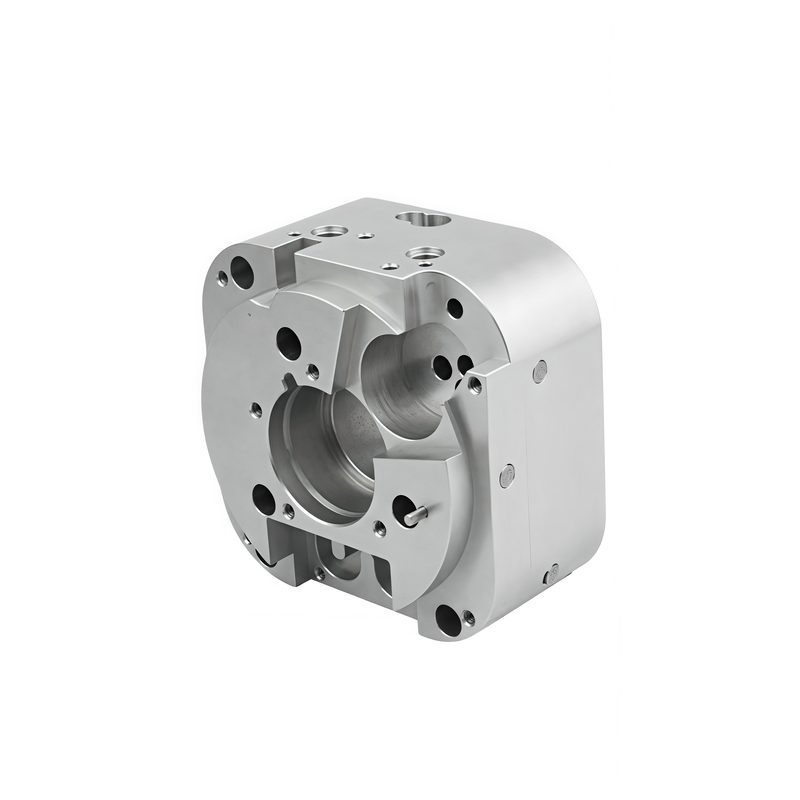
Zinc: manage the heat
- Cutting parameters: moderate-to-high speeds with generous feed rates (spindle 1,500–3,000 RPM class for small tools, feed 0.05–0.15 mm/tooth, depth of cut 0.1–0.5 mm per pass as starting points). Thin chips carry heat away efficiently.
- Tooling: sharp, polished carbide with high positive rake; HSS works for light cuts on Zamak grades but wears faster.
- Coolant: flood coolant is strongly recommended — it prevents thermal softening and flushes abrasive chips out of deep pockets.
- Chip management: zinc chips are short and brittle (like brass) but abrasive; ensure chip breakers and coolant pressure keep the cutting zone clear.
- Handling: zinc is soft — clamp gently to avoid dents, and plan a light deburring pass after machining.
Surface Finishing and Corrosion Protection
Unprotected magnesium corrodes, and bare zinc tarnishes — which is why finishing is part of the design, not an afterthought.
Chromate Conversion
Per ASTM B921 / ISO 4520. The default protective treatment for magnesium; adds corrosion resistance and a good paint base.
Micro-Arc Oxidation
An electrolytic ceramic-like coating for magnesium with excellent wear and corrosion performance; popular for drones and 5G enclosures.
E-coat & Powder Coat
Uniform, durable paint systems that seal magnesium and zinc surfaces and provide color and branding options.
Electroplating
Chrome, nickel, or brass plating gives zinc hardware its classic premium look and adds wear and corrosion resistance.
After finishing, magnesium parts should be packaged with moisture protection — VCI paper or sealed bags — to prevent surface oxidation during transit and storage.
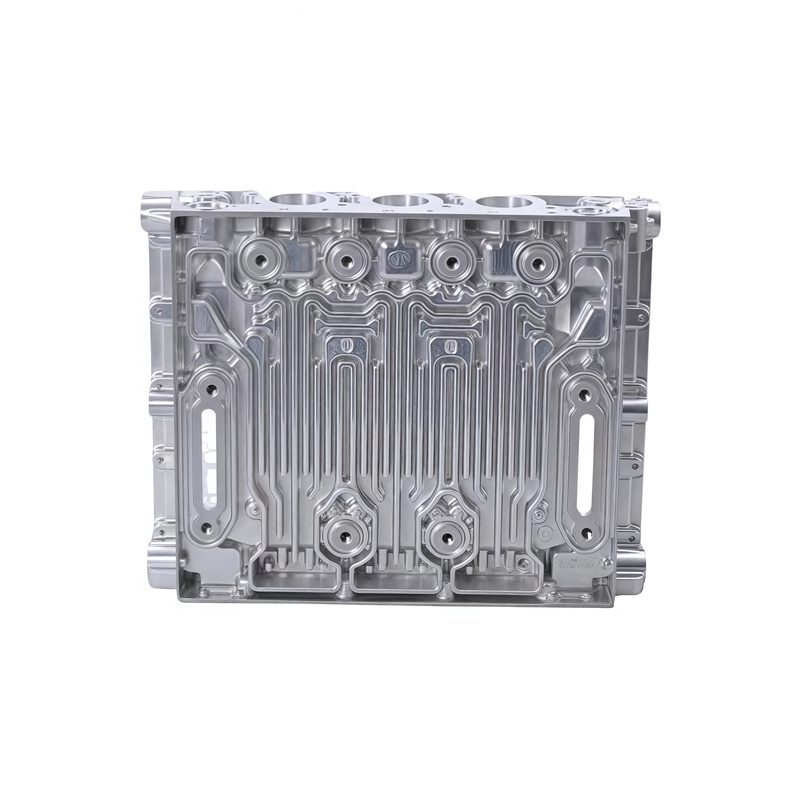
Applications of Lightweight Alloy Machined Parts
Automotive & EV
Battery housings, seat frames, steering components, interior carriers — magnesium cuts vehicle mass; zinc hardware keeps trim tough and platable.
Aerospace & UAV
Drone arms, gimbal mounts, flight-control frames, motor mounts — magnesium's damping and low inertia protect sensitive avionics.
Consumer Electronics
Laptop frames, camera bodies, RF shielding cavities, portable instrument chassis — where EMI shielding and thin walls matter.
Robotics & Automation
Robot joint housings, end-effector links, vision-stage brackets — lighter links mean faster acceleration and lower motor load.
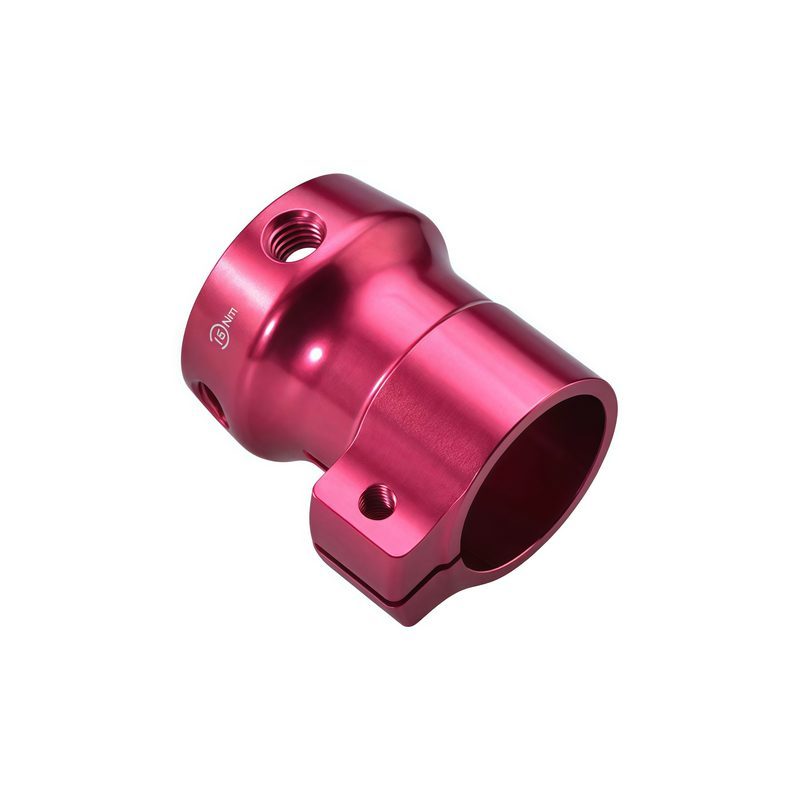
How SOMI Custom Parts Can Help
SOMI Custom Parts is a precision manufacturing partner with certified quality systems (ISO 9001-aligned processes, with aerospace and medical programs handled under project-specific compliance). We machine magnesium alloys including AZ31B, AZ61A, AZ91D, and ZK60, and zinc alloys from Zamak 3 to ZA-27, for prototypes and production runs from a single piece to repeat lots.
- Fire-safe magnesium machining routing with dedicated chip control and Class D fire safety on the floor
- CNC milling and turning with tolerances to ±0.01 mm and Ra 0.8 μm where required
- Surface finishing in-house or with audited partners: chromate conversion, micro-arc oxidation, e-coat, and plating
- Zinc die-cast to machined parts via our zinc alloy die casting line when volume justifies tooling
- DFM feedback at drawing review — we flag thin walls, un-machinable features, and corrosion risks before you commit
- Moisture-protective packaging and material certification on request
Explore the full product catalog, read more in our manufacturing blog, or send an inquiry with your drawing and target quantity — our engineering team responds with a DFM review and quote.
Frequently Asked Questions
Is it safe to CNC machine magnesium?
Yes, when the process is controlled. Magnesium chips are flammable, so we machine dry or with a mineral-oil mist, keep chips small and continuously evacuated, and keep a Class D extinguisher at the machine. These practices are standard in certified magnesium machining.
Can zinc alloys be CNC machined, or are they only for die casting?
Zinc alloys are excellent to machine. Zamak and ZA grades cut with very low forces and hold tight tolerances, which makes CNC the smart route for prototypes, bridge tooling, and low-volume production before committing to a die.
Which is lighter: magnesium or zinc?
Magnesium by far — 1.74 g/cm³ versus zinc's 6.6 g/cm³. Magnesium is the lightest structural metal in commercial use; zinc is roughly as dense as steel and is chosen for strength, stiffness, and plated finishes rather than weight savings.
What finish should I specify for magnesium parts?
Chromate conversion is the default protective treatment; micro-arc oxidation (MAO) adds wear resistance; e-coat or paint adds color and sealing. Your application environment — indoor, outdoor, marine — determines the right choice.
Can you machine magnesium and zinc in small quantities?
Yes. Both families are machined from billet or cast blanks with no tooling investment, so single prototypes and short runs are economical. We routinely support 1-piece samples through repeat production lots.
Conclusion
Magnesium and zinc alloys cover two ends of the lightweight-engineering spectrum: magnesium delivers the lightest structural parts you can machine, with outstanding damping and EMI shielding; zinc delivers tough, easy-to-machine, beautifully platable hardware at low cost. The right choice depends on your weight target, service environment, finishing needs, and volume — and the machining rules are now well established for both.
If you are evaluating a magnesium or zinc part, start with a DFM conversation. Contact SOMI Custom Parts with your drawing, and our engineers will recommend the alloy, the machining strategy, and the finish that fit your application — from one prototype to production quantities.