Hard vs. Soft Silicone Rubber Protective Covers: A Comprehensive Comparison
Choosing the perfect protective cover for our smartphones can feel like a big decision. With so many options out there, it's easy to get overwhelmed trying to find the one that best suits our needs. I'm here to help you get a clear picture of two popular choices: hard cases and the various forms of soft silicone rubber protective covers.
Both hard and soft silicone rubber protective covers are designed to shield our valuable devices from the bumps and scrapes of daily life, but they achieve this in very different ways. Understanding their unique characteristics, advantages, and disadvantages is key to making an informed choice, and that's exactly what I'll explore in this guide.
In this comprehensive comparison, we'll dive deep into the world of phone protection, examining everything from material composition and durability to grip, aesthetics, and overall user experience. My goal is to equip you with the knowledge needed to confidently select the ideal silicone rubber protective cover for your device.
Understanding Hard Silicone Rubber Protective Covers: The Rigid Shield
When we talk about robust protection for our devices, hard protective covers often come to mind. These cases are engineered to act as a rigid shield, providing a strong first line of defense against the rigors of daily use. They are known for their sturdy and unyielding nature, designed to protect phones from direct impacts and prevent scratches from marring their surfaces. Unlike their softer counterparts, hard cases are defined by their inflexibility and firm structure.
What Defines a Hard Protective Cover?
At its core, a hard protective cover is characterized by its rigidity. These cases are designed to snap onto a phone, offering a secure fit that doesn't easily peel away. Their primary function is to serve as a durable barrier. This construction ensures that the phone is well-protected from accidents, maintaining its original shape and structural integrity. Hard cases cover the back and sides of the device, effectively shielding it from bumps, drops, and scratches, making them a simple yet effective way to protect a phone without adding significant weight or bulk.
Materials Used in Hard Silicone Rubber Protective Covers
While the section title mentions "hard silicone rubber," it's important to clarify that traditional hard cases are typically not made of silicone. The term often causes confusion, as silicone is inherently soft. Instead, hard protective covers are crafted from a range of rigid materials, each offering a unique set of properties.
The most common materials used include:
- Polycarbonate (PC): This is one of the most popular choices for hard cases. PC is a type of thermoplastic known for its incredible durability and high impact resistance, the same material often used in items like bulletproof windows. It's lightweight and can be easily molded, allowing for a wide variety of designs and colors. Although very strong, it can be prone to scratches, so many PC cases are finished with a scratch-resistant coating.
- Acrylonitrile Butadiene Styrene (ABS): Another common thermoplastic, ABS is known for its strength and resilience. While slightly less impact-resistant than polycarbonate, it is often more affordable and provides excellent structural integrity. It's frequently blended with other materials to enhance the overall protective qualities of a case.
- Thermoplastic Polyurethane (TPU): This material is a versatile player, as it can be formulated to be either hard and rigid or soft and flexible. In its harder form, TPU offers excellent resistance to abrasion and impact, bridging the gap between traditional hard plastics and soft silicones.
- Aluminum: For a more premium look and feel, some hard cases are made from metals like aluminum. These cases offer superior scratch resistance and can withstand significant impacts, but they tend to be heavier and more expensive. It's also worth noting that metal cases can sometimes interfere with wireless charging capabilities.
- Wood and Carbon Fiber: These materials are often chosen for their unique aesthetic appeal and high-end feel. Wood offers a classic, natural look, while carbon fiber provides a modern, high-tech appearance along with exceptional strength-to-weight ratio.
| Material | Key Characteristics |
|---|---|
| Polycarbonate (PC) | High impact-resistance, lightweight, versatile in design. |
| ABS Plastic | Strong, resilient, and often more affordable. |
| Hard TPU | Elastic, durable, and resistant to oils and liquids. |
| Aluminum | Premium feel, excellent strength, but heavier and can block signals. |
| Wood/Carbon Fiber | Unique aesthetics, high-end appeal, and good durability. |
Design and Coverage
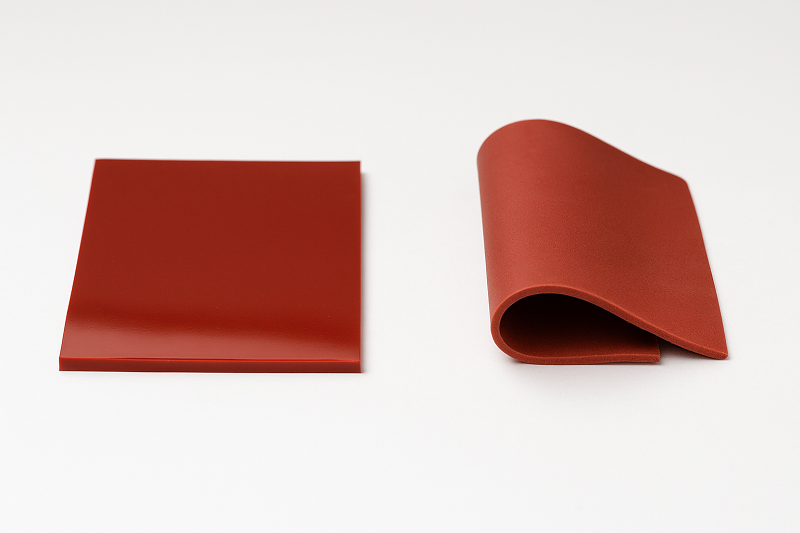
Hard protective covers are engineered for a precise, snug fit. They are typically "snap-on" cases that cover the back and sides of the phone, leaving the screen exposed (though often featuring a raised bezel or "lip" to protect the screen when placed face-down). This design philosophy aims to protect without adding unnecessary bulk, preserving the phone's original slim profile as much as possible.
The rigid construction means they maintain their shape over time, unlike some softer materials that can stretch or deform. Customization is a major advantage, as the hard surfaces are perfect canvases for a vast array of finishes—from matte and glossy colors to intricate printed designs and personalized logos. This allows users to express their style while benefiting from solid protection.
Advantages of Hard Silicone Rubber Protective Covers
Hard cases have long been a popular choice for a reason. They offer a compelling blend of protection, style, and durability that appeals to many users. Their rigid structure brings several key benefits to the table.
Superior Impact and Scratch Resistance
The primary advantage of a hard case is its ability to fend off damage. The tough materials, like polycarbonate, are designed to withstand significant force, providing a strong barrier against direct impacts that can occur during daily use. They excel at preventing scratches, dings, and general wear and tear from reaching the phone's body, helping to keep the device looking new for longer. This makes them an excellent choice for users who prioritize durability and want to shield their phone from cosmetic damage as well as more serious impacts.
Maintaining Phone's Slim Profile
Many users choose their phones based on sleek design and feel, and they don't want to hide that under a bulky cover. Hard cases are often designed to be as thin and lightweight as possible. Their rigid nature allows them to provide a high level of protection without adding much thickness, thus maintaining the phone’s original slim and ergonomic profile. This is a significant advantage for those who carry their phones in their pockets or prefer a minimalist feel.
Variety in Style and Customization
Hard cases are a fashion statement. The rigid surfaces of materials like polycarbonate and ABS plastic are ideal for printing and customization. This results in an almost limitless variety of styles, from simple, solid colors with matte or gloss finishes to complex, high-resolution graphics, patterns, and even personalized photos. Companies often offer services to create custom-designed hard cases, making it easy to find or create a case that perfectly matches one's personal style or brand.
Potential Drawbacks of Hard Silicone Rubber Protective Covers
While hard cases offer excellent defense in many areas, their rigidity also comes with a few potential downsides. Understanding these drawbacks is crucial to making a balanced decision.
Vulnerability to Cracking
The very hardness that makes these cases protective can also be a weakness. When dropped from a significant height or subjected to a sharp impact, a hard plastic case can itself crack or shatter. While this means the case has sacrificed itself to protect the phone (which is its job), the case itself will be ruined. The corners are often the highest stress points and can be particularly prone to cracking upon impact.
Reduced Shock Absorption
This is perhaps the most significant drawback of a purely hard case. While they are great at deflecting force and preventing scratches, hard materials are less effective at absorbing shock compared to softer, more pliable materials. The rigid nature can sometimes transfer the kinetic energy of an impact through the case to the phone itself, potentially causing internal damage even if the exterior remains unharmed. This is why many manufacturers have moved towards hybrid designs that incorporate a softer, shock-absorbing layer with a hard outer shell to get the best of both worlds. Furthermore, the smooth, hard surface can be slippery, which may increase the chances of accidental drops in the first place.
Exploring Soft Silicone Rubber Protective Covers: The Flexible Defender
Shifting from the world of rigid shields, we enter the domain of soft silicone rubber protective covers. These cases are the flexible defenders of the smartphone world, prized for their soft-touch feel, excellent grip, and shock-absorbing properties. Unlike hard cases that deflect impact, soft silicone cases work by cushioning the blow, absorbing and dispersing the energy from drops and bumps. This makes them a popular choice for users who value comfort and everyday protection against common mishaps.
The Evolution of Soft Silicone Rubber Protective Covers
The journey of the soft phone case is one of continuous innovation. What started as basic, somewhat bulky rubbery protection has evolved into a sophisticated accessory that blends style, feel, and function. The material science behind these cases has advanced significantly, leading to better products for consumers.
From Traditional to Liquid Silicone
In the early days of mobile phones, particularly in the late 1990s and early 2000s, silicone cases emerged as a popular alternative to hard plastic. These early versions were very soft, rubbery, and offered great shock absorption, but they were also known for being bulky and sometimes sticky, attracting lint and dust.
Today, the landscape has changed dramatically with the advent of liquid silicone rubber (LSR). Most modern, high-quality silicone cases are made from liquid silicone. This material is distinct from its older counterpart; it is cured at a higher temperature, resulting in a product that is both harder and more elastic. Liquid silicone cases boast a silky, velvety-smooth texture that feels luxurious to the touch and resists fingerprints and dust much more effectively than traditional silicone. They strike a balance, offering a firm structure while remaining flexible.
Key Characteristics of Modern Silicone Rubber Protective Covers
Modern silicone cases, especially those made from liquid silicone, are defined by a unique set of characteristics that make them highly sought after:
- Soft-Touch, Velvety Finish: The most immediate quality is the feel. They have a smooth, matte finish that is often described as "silky" or "velvety," providing a delightful tactile experience.
- Excellent Grip: The inherent texture of silicone provides a secure and comfortable grip, reducing the likelihood of the phone slipping from your hand.
- Flexibility and Form-Fitting Design: Made from a highly elastic material, liquid silicone cases fit snugly around the phone like a second skin, providing a seamless look without adding significant bulk. This flexibility also makes them incredibly easy to install and remove.
- Shock Absorption: The pliable nature of silicone is its greatest protective strength. It excels at absorbing impact energy from everyday bumps and minor drops, cushioning the phone and minimizing the risk of damage.
- Durability and Resistance: Liquid silicone is notably durable. It has high resistance to heat and UV rays, which means it is less prone to yellowing or degrading over time compared to other soft plastics like TPU or older silicone formulations. It is also water-resistant, making it easy to clean.
Benefits of Soft Silicone Rubber Protective Covers
The popularity of soft silicone cases is rooted in a number of practical advantages that directly enhance the user experience and provide reliable, everyday protection.
Enhanced Grip and Comfort
One of the most praised benefits of a silicone case is the enhanced grip it provides. The soft, slightly tacky texture feels secure in the hand, which can significantly reduce the number of accidental slips and drops. This tactile quality also makes the phone more comfortable to hold for extended periods, whether you're texting, browsing, or taking a call.
Excellent Shock Absorption
Silicone's flexible, rubber-like composition is ideal for absorbing shock. When a phone with a silicone case is dropped, the material compresses and deforms at the point of impact, effectively dissipating the force that would otherwise be transferred directly to the device. This cushioning effect provides robust protection against common mishaps like falling off a table or being knocked out of your hand, shielding the phone from cracks and internal damage.
Flexibility and Ease of Use
The natural flexibility of silicone makes these cases incredibly user-friendly. They are easy to stretch over the phone for a quick installation and can be removed just as easily without worrying about scratching the device or breaking the case. This "snap-on/snap-off" feature is convenient for users who like to switch cases frequently or clean their phone regularly. Despite being flexible, they maintain a snug fit that doesn't loosen easily with modern formulations.
Disadvantages of Soft Silicone Rubber Protective Covers
Despite their many benefits, soft silicone cases are not without their potential drawbacks. It's important to consider these factors to determine if they align with your needs and expectations.
Attracting Dust and Lint
While modern liquid silicone has improved on this front, all silicone to some degree has a tendency to attract dust, lint, and pet hair. The slightly grippy texture that prevents the phone from slipping out of your hand can also cause it to pick up debris from pockets and purses. This means they might require more frequent wiping and cleaning to maintain a pristine appearance.
Potential for Stretching and Yellowing
This is a more significant issue with lower-quality or older types of silicone and particularly clear cases made of TPU (which is often grouped with silicone). Over time and with repeated removal, very soft cases can stretch and lose their snug fit. Some clear or light-colored soft cases can also be prone to discoloration or yellowing, especially when exposed to UV light and oils from the skin. However, high-grade liquid silicone is specifically formulated to be more resistant to both stretching and UV degradation.
Limited Protection Against Heavy Impacts
While silicone cases offer excellent protection against minor to moderate drops, they may fall short in scenarios involving heavy impacts or falls from significant heights. The soft material, by itself, lacks the rigidity to fully protect against severe, focused impacts or bending forces that a hard-shell case might defend against. For users in rugged environments or those who are particularly prone to serious drops, a standalone silicone case might not offer a sufficient level of protection.
Hard vs. Soft Silicone Rubber Protective Covers: A Direct Comparison
When choosing between a hard and a soft protective cover, it ultimately comes down to a direct trade-off between different types of protection, feel, longevity, and style. Both have distinct strengths and weaknesses, and understanding these differences is key to finding the perfect match for your device and lifestyle.
Protection Against Drops and Impacts
This is the most critical factor for many users. The way hard and soft cases handle impacts is fundamentally different.
- Hard Covers: These cases excel at defending against direct impacts and scratches. Their rigid shell acts as a strong barrier, dispersing the force of an impact across a broader area to prevent focused damage. They are superior in protecting against sharp objects and maintaining the phone's structural integrity. However, their main weakness is shock absorption; the rigid material can transfer a significant amount of the impact energy to the phone itself, potentially causing internal damage even if the case prevents cosmetic scratches.
- Soft Covers: Soft silicone cases are champions of shock absorption. The flexible, cushion-like material deforms upon impact, absorbing and dissipating the kinetic energy from a drop before it reaches the phone. This makes them particularly effective at protecting a phone from drops, especially from moderate heights. The tradeoff is that they offer less protection against scratches from sharp objects compared to a hard shell.
Verdict: For overall drop protection, especially from common heights, soft silicone cases generally have the edge due to their superior shock absorption. For protection against scratches and direct, forceful impacts, hard cases are often better. The ideal solution for maximum protection is often a hybrid case that combines a soft inner layer with a hard outer shell.
Durability and Longevity of Silicone Rubber Protective Covers
How a case holds up over time is another crucial consideration. Both materials have their own aging processes.
- Hard Covers: Made from durable materials like polycarbonate, hard cases are excellent at resisting deformation. They won't stretch or warp over time, ensuring a snug fit for the life of the phone. Their main durability issue is their own vulnerability. A hard case can crack or chip when dropped, and its surface can accumulate scuffs and scratches, which can tarnish its appearance.
- Soft Covers: High-quality liquid silicone is a very durable material that resists tearing and damage from bending or twisting. However, lower-end silicone and some other soft plastics can stretch out over a long period, leading to a loose fit. Clear soft cases are also susceptible to yellowing from UV exposure and skin oils, though premium silicone formulations are more resistant to this.
Verdict: For maintaining a tight fit and structural integrity over time, hard cases have a clear advantage as they don't stretch. However, they may show cosmetic wear like scratches more easily, while a silicone case might look newer for longer if it resists discoloration, though it could eventually lose its shape.
Aesthetics and Personalization Options
A phone case is an accessory and a form of self-expression, making aesthetics an important factor.
- Hard Covers: The rigid, smooth surface of a hard case is the perfect canvas for high-resolution printing. This allows for a vast array of designs, from custom photos and intricate patterns to glossy and matte finishes. This makes them ideal for users who want to showcase a specific design or a more sleek, professional look.
- Soft Covers: Soft silicone cases are often associated with vibrant, solid colors and a soft, matte finish that feels premium. While printing is possible, they are most popular for their minimalist appeal and wide color palette. The aesthetic is more about texture and color than intricate graphics.
Verdict: This is purely subjective. If you want endless customization with detailed graphics, photos, or a wood-grain finish, hard cases offer more possibilities. If you prefer a minimalist, modern look with a premium feel and a pop of solid color, soft silicone cases excel.
Comfort, Grip, and Usability
How the case feels in your hand and how it functions in daily life can be a deciding factor.
- Hard Covers: By design, hard cases are often slim and don't add much bulk, which many users appreciate. However, their primary drawback is their grip. The smooth, hard plastic can be slippery, potentially increasing the risk of drops. They can also feel less comfortable to hold for long periods compared to a soft case.
- Soft Covers: This is where soft silicone cases truly shine. Their soft, rubbery texture provides an excellent, secure grip, making the phone much easier and more comfortable to hold. This inherent grippiness significantly reduces the chance of accidental slips. The only minor downside is that this same grippy texture can sometimes make it more difficult to slide the phone in and out of a tight pocket.
Verdict: For comfort and grip, soft silicone cases are the undisputed winner. The secure feeling they provide can be the single most important feature for users who are prone to dropping their phones.
| Feature | Hard Protective Cover | Soft Silicone Cover | Winner |
|---|---|---|---|
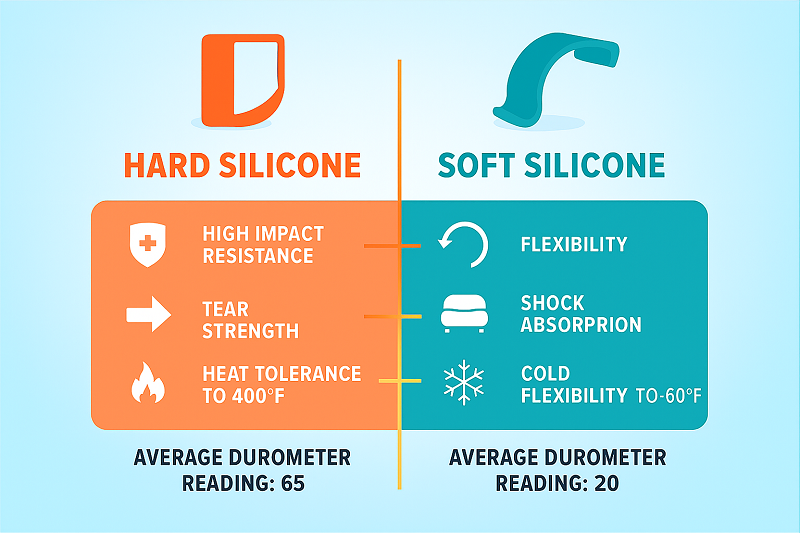
| Drop Protection | Good against direct force, but poor shock absorption. | Excellent shock absorption, but less scratch resistant. | Soft Silicone (for falls) |
| Durability | Resists stretching, but can crack/scratch. | Doesn't crack, but can stretch/discolor over time. | Hard Cover (for shape) |
| Aesthetics | Huge variety of printed designs, sleek look. | Vibrant solid colors, premium matte finish. | Tie (Subjective) |
| Grip & Comfort | Can be slippery and less comfortable. | Excellent grip, very comfortable to hold. | Soft Silicone |
Making Your Choice: Which Silicone Rubber Protective Cover is Right for You?
The decision between a hard or soft protective cover isn't about which one is universally "better," but which one is better for you. The ideal choice hinges on a personal calculation of your daily habits, aesthetic preferences, and how much risk your phone is likely to face. By thoughtfully considering these factors, you can move from being overwhelmed by options to making a confident, informed decision.
Considering Your Lifestyle and Usage Habits
The most important question to ask is: what does my daily life look like? Your phone's protection needs are a direct reflection of your activities.
- For the Active and Outdoorsy: If your lifestyle involves hiking, construction work, or just a higher risk of serious drops and impacts, your priority should be maximum protection. A rugged, dual-layer case that combines a hard exterior with a soft, shock-absorbing interior might be the best choice. These offer robust defense against severe scenarios.
- For the Office Professional or Urban Commuter: If your phone spends most of its time on a desk, in a purse, or in your hand during a commute, you might prioritize a slimmer profile and better grip. A soft silicone case can provide excellent grip and comfort, preventing slips, while still offering sufficient protection against minor bumps and scratches.
- For the Parent or the Accident-Prone: If your phone is frequently around children or you simply find yourself dropping it often, shock absorption is key. A soft silicone or a flexible TPU case would be an excellent choice to cushion against those frequent but less severe falls.
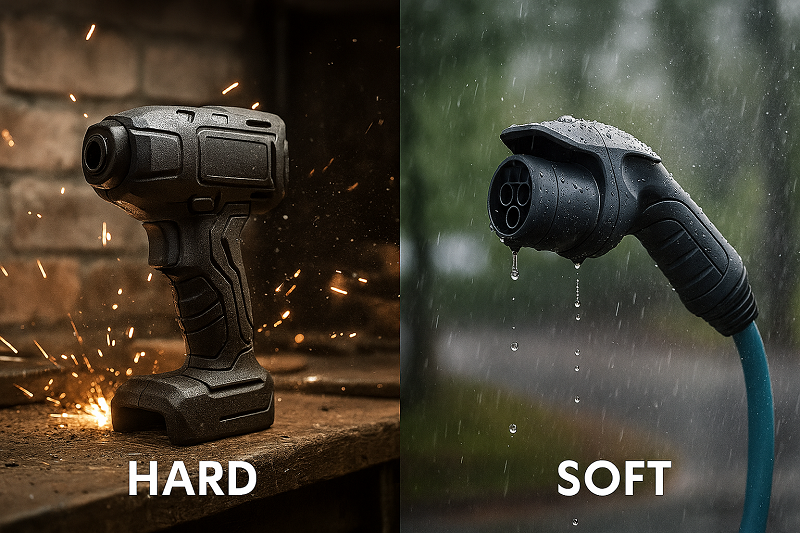
Think about your personal "drop history." Are you more likely to have your phone slip from your hand while sitting, or is it more likely to tumble down a flight of stairs? The answer will guide you toward prioritizing either grip and light shock absorption (soft case) or rigid, heavy-duty protection (hard or hybrid case).
Balancing Protection with Aesthetics
Your phone case is an accessory you carry every single day; it's a direct extension of your personal style. Gone are the days when you had to choose between a case that was protective and one that was stylish. Modern manufacturers recognize that users want both.
- If you prioritize self-expression through intricate designs: Hard cases are your best friend. Their printable surfaces can feature everything from fine art to personal photos, offering limitless customization. You can find a hard case to match any outfit, mood, or interest, making a bold fashion statement.
- If you prefer a minimalist, modern aesthetic: Soft silicone cases, with their clean lines and vibrant, solid color options, offer an understated elegance. The focus is on the premium, soft-touch feel and a pop of color that complements the phone's design rather than covering it with a complex pattern.
- If you want to show off your phone's original design: A clear hard case made of scratch-resistant polycarbonate or a clear soft case made from non-yellowing TPU can provide protection while letting the phone's native beauty shine through.
Ultimately, you don't have to sacrifice one for the other. Many brands now specialize in creating cases that are both highly protective and aesthetically pleasing. The key is to first determine your required level of protection and then explore the stylish options available within that category.
The Hybrid Approach: Combining the Best of Both Silicone Rubber Protective Cover Worlds
If you find yourself torn between the benefits of hard and soft cases, you're not alone. This is precisely why the most popular and often most effective solution is the hybrid case, also known as a dual-layer case.
A hybrid case is constructed with two distinct layers:
- A soft inner layer: Typically made of shock-absorbing silicone or TPU, this layer acts as a cushion, absorbing and dissipating the energy from drops and impacts.
- A hard outer shell: This layer, usually crafted from tough polycarbonate, provides a rigid structure that defends against scratches, abrasions, and direct, hard hits.
This dual-layer construction offers a comprehensive protective solution. You get the superior shock absorption of a soft case combined with the scratch resistance and structural integrity of a hard case. While they can sometimes be slightly bulkier than single-layer options, modern engineering has made many hybrid cases surprisingly slim and stylish. They represent the perfect balance for the user who wants peace of mind without carrying a brick in their pocket, and for many, they are the ultimate answer in the hard vs. soft debate.
Conclusion
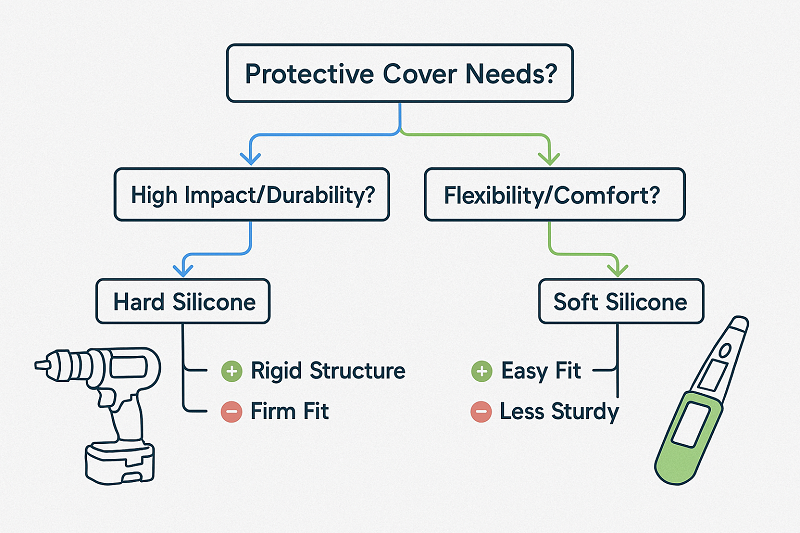
Ultimately, the choice between a hard or soft silicone rubber protective cover comes down to your personal priorities and how you use your phone. Both types offer valuable protection, but they excel in different areas, catering to diverse needs and preferences. A hard case provides a rigid, scratch-resistant shield that is ideal for customization, while a soft case offers superior grip and shock absorption in a comfortable, flexible package.
I've laid out the comprehensive details to help you make an informed decision. By considering the level of protection you need, your preference for grip and feel, and the aesthetic you desire, you can select the perfect protective cover to safeguard your device. Remember to evaluate your lifestyle honestly—the best case for someone working on a construction site is different from the best case for a student or office worker.
For those who find themselves wanting the benefits of both, the hybrid or dual-layer case stands out as the ultimate compromise, blending a tough exterior with a soft, shock-absorbing interior. No matter your choice, investing in a quality protective cover is a crucial step in preserving the longevity and functionality of your valuable device.