Green Manufacturing: Sustainable Practices in CNC Machining and Metal Recycling
Green Manufacturing: Sustainable Practices in CNC Machining and Metal Recycling
CNC machining is subtractive by nature, yet modern shops are proving that precision and sustainability can go hand in hand. From closed-loop metal chip recycling to energy-efficient spindles and minimum quantity lubrication, green manufacturing is becoming a competitive advantage for custom parts suppliers worldwide.
Introduction: Why Green Manufacturing Matters in CNC Machining
Global manufacturing is under unprecedented pressure to decarbonize. The green manufacturing market reached roughly $4.2 trillion in 2025 and is projected to exceed $5.1 trillion in 2026, with the Asia-Pacific region contributing more than 47% of output. At the same time, CNC machining contributes about 12% of total manufacturing carbon emissions, making it a priority area for improvement.
For buyers of custom machined parts, sustainability is no longer a nice-to-have. European and American OEMs increasingly mandate sustainability reporting from supply chain partners, and 53 economies have introduced mandatory carbon accounting disclosure rules for manufacturers. Choosing a CNC partner with verifiable green practices protects your supply chain, reduces your Scope 3 emissions, and often lowers total cost through waste and energy savings.
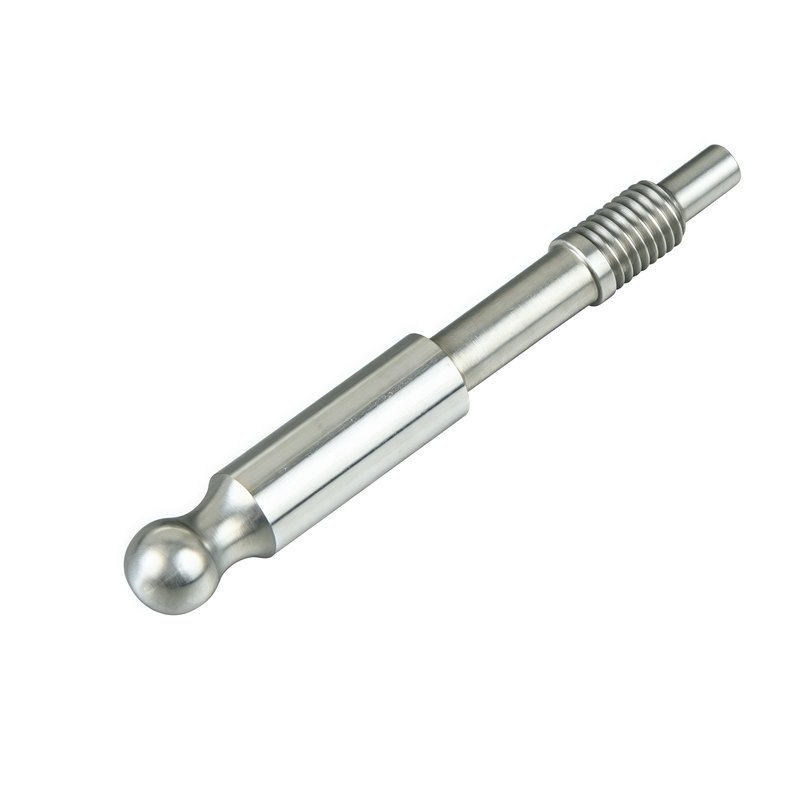
What Is Green Manufacturing in CNC Machining?
Green manufacturing in CNC machining means reducing the environmental footprint of the entire part production cycle: raw material extraction, cutting processes, energy consumption, coolant use, waste handling, and shipping. It is a holistic approach that balances three pillars:
Material Efficiency
Reduce material removal and recycle chips, offcuts, and scrap so that metal never ends up in landfill.
Energy Efficiency
Optimize machine power draw, standby behavior, and scheduling to cut electricity use per part.
Cleaner Inputs
Adopt biodegradable coolants, MQL, and filtration to minimize hazardous fluid waste.
Under this model, sustainability is engineered into every decision, from DFM review to final inspection, without sacrificing the tolerances and surface quality CNC machining is known for.
Key Benefits of Sustainable CNC Machining
Lower Material Costs
Metal chip recycling can recover 15-30% of material costs. Clean, segregated chips fetch premium rates from certified recyclers.
Energy Savings
Energy represents 12-18% of typical CNC shop operating costs. Efficient machines and smart scheduling cut 10-35% of that bill.
Compliance Ready
ISO 14001 environmental management and ISO 14955 machine energy efficiency certification open doors to regulated markets.
Customer Trust
Global clients in automotive, medical, and electronics prioritize suppliers with verified zero-carbon and recycling credentials.
Metal Chip Recycling: Turning Waste into Revenue
CNC machining is subtractive: a 2-pound aluminum part typically starts as a 6-pound block, meaning 60-80% of the raw material becomes chips. That is the single largest waste stream in a machine shop, representing 30-50% of raw material input. The good news is that metal chips are almost 100% recyclable, and aluminum, steel, titanium, brass, and copper all have strong recycling markets.
| Material | Recycling Rate | Scrap Value per lb | Energy Saved vs. New |
|---|---|---|---|
| Aluminum | 95%+ | $0.30-0.80 | 95% less energy |
| Steel | 90%+ | $0.05-0.15 | 74% less energy |
| Titanium | 90%+ | $2.00-5.00 | 90% less energy |
| Brass | 95%+ | $1.00-2.00 | 85% less energy |
| Copper | 95%+ | $2.00-3.50 | 85% less energy |
A well-run chip management system segregates chips by alloy at each machine using color-coded bins, which alone can raise recycling revenue by 25-35%. Chip centrifuges and wringers remove coolant before recycling, boosting chip cleanliness and value. Closed-loop systems that collect, process, and reuse scrap can divert 100% of metal waste from landfills while cutting CO2 emissions by roughly 14%.
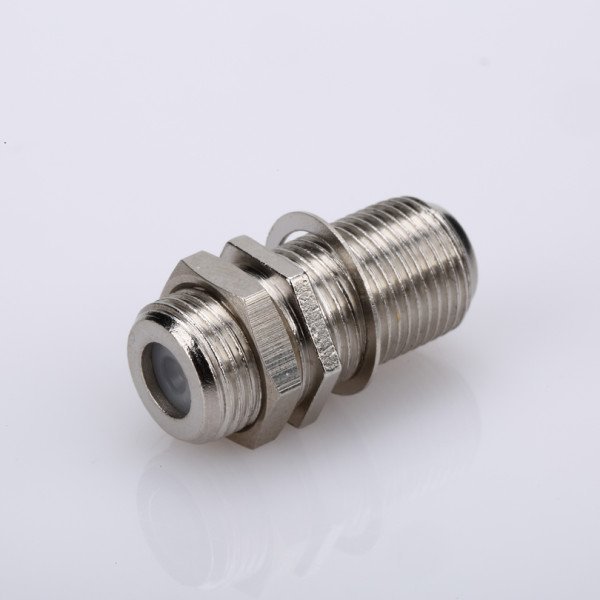
Energy Efficiency: Cutting the Power Bill Without Cutting Quality
A typical 3-axis milling machine draws 15-30 kW, and a 5-axis machine can draw 40-60 kW. Running 8-12 hours a day, energy is a major line item. Modern shops cut consumption through several levers:
Efficient Hardware
New spindle motors are 20-30% more efficient than older models. Variable frequency drives (VFDs) cut low-load spindle power by 20-30%.
Smart Standby
A 3-axis VMC drawing 8 kW at full operation drops to 1.5-2 kW in standby. Auto power-down and idle shutdown save 10-15% on energy bills.
Optimized Toolpaths
A University of Michigan study found optimized CNC toolpaths reduce energy consumption by 18-22% per part by eliminating air cutting.
LED lighting retrofits cut shop floor lighting energy 50-70%, and smart coolant pumps that activate only during cutting reduce pump energy 35-45%. Some facilities add rooftop solar: 35% of U.S. CNC shops now use renewable energy sources.
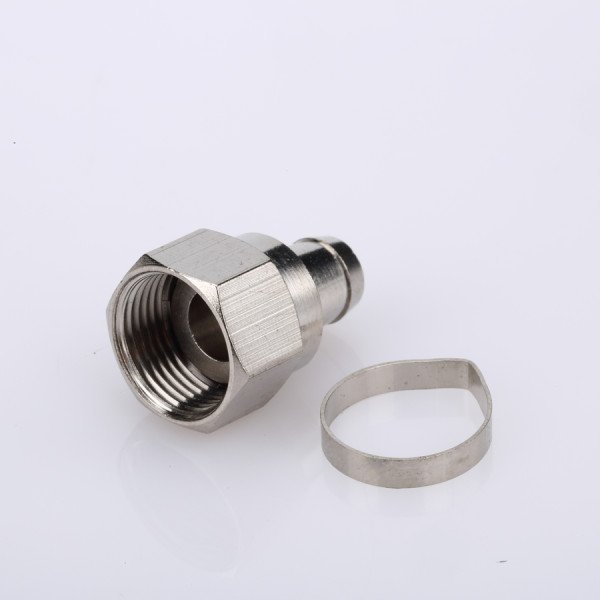
Sustainable Coolant and Lubricant Management
Petroleum-based cutting fluids are a hidden environmental and cost burden. Old coolant grows bacteria, tramp oil contamination reduces performance, and disposal is expensive and hazardous. Leading shops address this in three ways:
Minimum Quantity Lubrication (MQL)
MQL delivers a fine mist of biodegradable plant-based lubricant instead of flood coolant, cutting fluid consumption by 95%+ and achieving zero liquid waste discharge.
Coolant Recycling & Filtration
Recycling systems remove tramp oil and bacteria, extending coolant life 3-5x. Continuous filtration down to 10-25 microns reduces tool wear 15-20%.
Cryogenic & Dry Machining
Liquid nitrogen cooling is zero-pollution, and dry machining (used by 28% of manufacturers) cuts water use 90% and eliminates hazardous waste.
Biodegradable coolants based on vegetable oils now meet RoHS and REACH requirements for export manufacturing. Proper coolant management keeps fluid alive for months, avoiding disposal costs entirely and reducing hazardous waste volume by up to 70%.
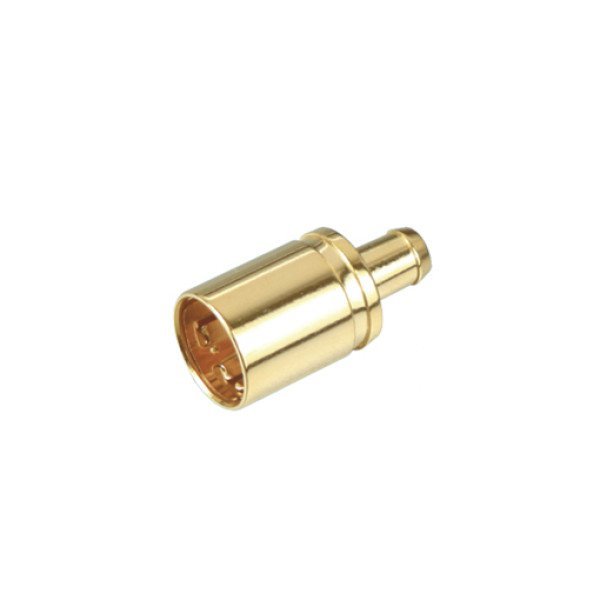
Design for Sustainability: Near-Net-Shape and DFM
The greenest part is the one you make right the first time. Scrap and rework double the environmental cost of every part, so design-for-manufacturability (DFM) is a core sustainability practice. Three principles make the biggest difference:
Near-Net-Shape Blanks
Starting from a casting or forging close to the final shape reduces material removal, energy, and coolant use. Hybrid additive-subtractive machining can cut material waste by up to 90% for titanium and Inconel.
Tolerance Optimization
Tighter tolerances need more passes, more time, and more energy. Specifying standard tolerances on non-critical features saves energy and cost without affecting function.
Recyclable Materials
Aluminum and steel recycle extremely well. Designing with recyclable alloys and marking material grades on parts supports end-of-life recovery and closed-loop supply chains.
72% of manufacturers already use recycled materials in CNC machining, with recycled content in machined parts up 22% between 2020 and 2023. 5-axis machining alone reduces material usage by about 25% compared with 3-axis approaches by enabling better part orientation and fewer setups.
Standards and Certifications Driving Green Machining
Verifiable standards are the backbone of trustworthy green manufacturing claims. When evaluating a CNC supplier, look for documented certifications rather than marketing language:
| Standard | Scope | Adoption Signal |
|---|---|---|
| ISO 14001 | Environmental management systems | 45% of CNC manufacturers have implemented it; ~60% of EU shops are certified |
| ISO 14955 | Machine tool energy efficiency | Energy-efficient models cost 8-12% more but deliver 15-25% lower operating costs over 10-15 years |
| ISO 9001 | Quality management (waste & rework reduction) | Baseline for quality; supports first-time-right manufacturing |
| RoHS / REACH | Restricted substances in materials & fluids | Required for EU and export compliance |
| LCA / ESG Reporting | Life cycle assessment & carbon accounting | 40% of CNC manufacturers use LCA; 53 economies now mandate carbon disclosure |
Industry-wide, CNC machining already delivers a 15-20% lower carbon footprint per part than stamping or casting, and the global CNC machining industry is expected to cut its carbon footprint by 20% by 2030. The EU's Carbon Border Adjustment Mechanism (CBAM) is entering full enforcement in 2026, directly rewarding suppliers who can document low-carbon production.
How SOMI Custom Parts Can Help
SOMI Custom Parts builds sustainability into every stage of CNC manufacturing. Our precision CNC turning, CNC milling, and CNC drilling services are engineered for first-time-right production: optimized toolpaths that reduce energy and material waste, recyclable aluminum, steel, titanium, brass, and copper alloys, and rigorous quality inspection that keeps rework rates minimal.
We are committed to responsible production across our facility. Read our sustainability commitment to see our environmental policies, and explore our full product range of precision machined parts. For project-specific questions about material lifecycle, recycled alloys, or DFM for lower environmental impact, our engineers are ready to help.
Frequently Asked Questions
How much waste does CNC machining produce?
CNC machining removes 60-80% of raw material as chips. However, nearly all metal chips are recyclable, and a well-managed shop recycles 95%+ of its metal waste through certified recyclers.
Is recycled metal as good as virgin material for CNC parts?
Yes for most alloys. Recycled aluminum and steel retain their mechanical properties after remelting and refining, and recycling aluminum saves 95% of the energy needed for primary production. Always confirm material traceability with your supplier.
What is MQL and why does it matter?
Minimum Quantity Lubrication (MQL) uses a fine mist of biodegradable lubricant instead of flood coolant, reducing cutting fluid consumption by more than 95% and eliminating liquid waste discharge while maintaining tool life and surface finish.
Does sustainable machining cost more?
Often the opposite. Chip recycling can recover 15-30% of material costs, energy efficiency cuts operating expenses 10-35%, and better DFM reduces rework. Sustainability investments typically pay back within 1-2 years.
How do I verify a supplier's green credentials?
Ask for ISO 14001 certification, documented recycling quantities and energy data, material traceability, and coolant management records. Verifiable data matters more than marketing claims.
Conclusion: The Future of CNC Is Green
Green manufacturing is not a compromise on precision, it is the next competitive frontier for custom CNC parts. Metal chip recycling turns waste into revenue, energy-efficient machines and toolpaths cut operating costs, MQL and biodegradable coolants eliminate hazardous waste, and DFM-first design ensures parts are made right the first time.
As regulations like CBAM take effect and OEMs demand verifiable sustainability, working with a certified, transparent CNC partner protects your supply chain and your brand. Contact SOMI Custom Parts today to discuss sustainable options for your next machined part project, and browse our manufacturing insights blog for more engineering guidance.