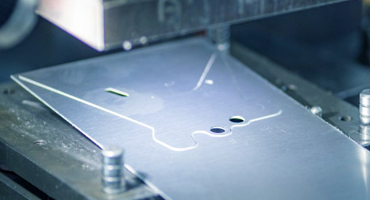
Micro-Machining Explained: How CNC Machines Achieve Sub-Millimeter Precision
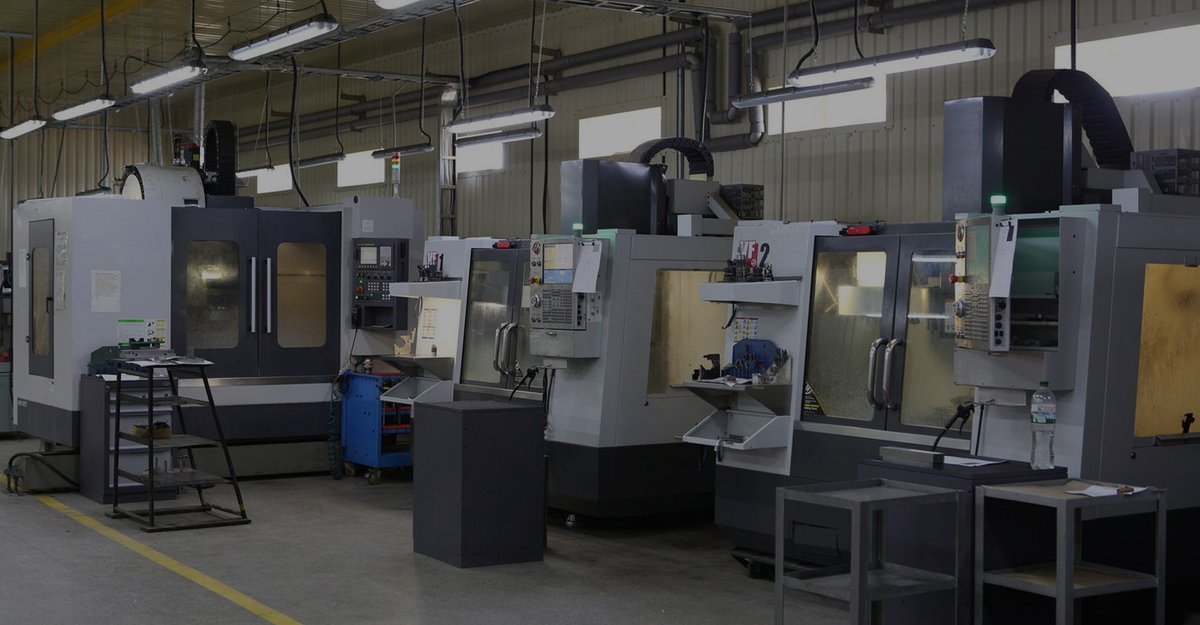
Explore how micro CNC machining produces features smaller than 1 mm with tolerances down to ±1–5 µm — and why it is becoming indispensable for medical devices, semiconductors, aerospace sensors, and next-generation electronics. As products across every industry become smaller, lighter, and more intelligent, the demand for micro-machining has accelerated. From the tiny connectors inside smartphones to the precision nozzles in fuel injectors and the micro-fluidic channels in diagnostic cartridges, modern manufacturing increasingly depends on features measured not in millimeters, but in micrometers (µm). According to industry market data, the global micromachining market is projected to reach USD 3.53 billion in 2026 and grow at a CAGR of 8.0%, reaching approximately USD 5.63 billion by 2032. This growth reflects the expanding miniaturization roadmap in medical devices, semiconductor packaging, MEMS, aerospace, and advanced electronics. At SOMI Custom Parts, micro CNC machining is a core capability. In this guide, we explain what micro machining is, how it differs from conventional CNC, the processes and tolerances involved, and what buyers should know before sourcing micro-scale components. Micro CNC machining is a precision subtractive manufacturing process in which CNC-controlled cutting tools remove material to create parts with features typically smaller than 1 mm — and often below 100 µm. Unlike conventional CNC, which works comfortably at millimeter and centimeter scales, micro machining must manage forces, heat, and tool behavior at a scale where material grain structure and surface physics dominate outcomes. Typical dimensional tolerances in micro CNC machining range from ±1 µm to ±5 µm (±0.001–0.005 mm), with surface finishes between Ra 0.2 µm and Ra 0.4 µm. These values are one to two orders of magnitude tighter than conventional precision machining. Several processes fall under the micro machining umbrella. The right choice depends on feature geometry, material, aspect ratio, and surface quality requirements. Micro milling uses end mills with diameters from 0.1 mm to 1.0 mm, running at spindle speeds of 20,000 to 100,000+ RPM. This process is ideal for complex 3D features such as micro pockets, channels, and sculptured surfaces. High-speed spindles and micro end mills make sub-millimeter features possible on standard CNC platforms. Micro turning is used for cylindrical parts such as micro shafts, pins, and optical ferrules. Workpiece diameters often range from 0.5 mm to 10 mm, requiring extremely low runout and stable spindle performance. Drills as small as 0.03 mm in diameter create precise holes for PCBs, fuel injectors, medical devices, and fluidic manifolds. Peck drilling cycles, high spindle speeds, and controlled coolant delivery are essential to avoid tool breakage and burr formation. Micro electrical discharge machining (EDM) uses controlled sparks to erode conductive material without mechanical tool force. It excels at hard metals, deep micro holes, sharp internal corners, and intricate cavities where conventional cutting tools would fail. Material selection and tolerance planning are more critical at micro scale than at conventional scale. The following table summarizes common materials and their micro machinability. Micro machining is not simply "small CNC." As features shrink, several physical effects become dominant. Process planning and inspection are just as important as cutting parameters in micro machining. At SOMI Custom Parts, we combine CNC milling, CNC turning, and advanced inspection equipment to deliver micro-machined components for demanding applications. Our capabilities include: Whether you need a single micro prototype or a low-volume production run, our engineering team can help you select the right process, material, and tolerance strategy. Request a quote to discuss your micro machining project. Our manufacturing floor supports precision machining from conventional to micro-scale requirements. Feature capability depends on geometry, material, and aspect ratio. Many micro-machined features fall in the 0.1–1.0 mm range, with tolerances down to ±1–5 µm achievable under controlled conditions. Contact us to review your specific design. For prototypes and low-to-medium volumes, micro CNC machining is often more cost-effective and flexible than micro molding, which requires expensive tooling. For very high volumes, molding or stamping may be more economical. Surface finishes in the range of Ra 0.2–0.4 µm are achievable with optimized tooling and parameters. Finer finishes may require additional processes such as micro grinding, polishing, or EDM. Medical devices, semiconductor and electronics, aerospace and defense, optics, telecommunications, and automotive sensors are the largest consumers of micro-machined components. Micro CNC machining is no longer a niche process. It is a foundational technology for industries racing to build smaller, lighter, and more capable products. With tolerances in the micron range and surface finishes that rival specialized processes, micro machining offers a practical path from prototype to production for complex miniature parts. If your next project requires sub-millimeter precision, partner with a supplier that understands the physics, tooling, and quality systems behind micro machining. Contact SOMI Custom Parts today and let our team turn your micro-scale design into a manufacturable reality. From prototype to precision production — SOMI Custom Parts supports your full micro machining lifecycle.Micro-Machining Explained: How CNC Machines Achieve Sub-Millimeter Precision
Introduction: The Shift Toward Micron-Scale Manufacturing
What Is Micro CNC Machining?
Key Benefits of Micro CNC Machining
Core Micro CNC Machining Processes
Micro Milling
Micro Turning
Micro Drilling
Micro EDM
Materials and Tolerances in Micro Machining
Material Typical Application Micro Machining Notes Aluminum 6061 / 7075 Electronics housings, heat sinks Soft, prone to burrs; requires sharp carbide tools. Stainless steel 303 / 316L Medical instruments, surgical tools Higher cutting forces; requires stable fixturing and optimized speeds. Titanium Ti-6Al-4V Implants, aerospace components Low thermal conductivity; risk of tool wear and heat buildup. PEEK / POM Medical devices, insulators Requires precise cooling to avoid melting or surface smearing. Copper alloys Connectors, RF components Excellent conductivity; soft and gummy, needs polished flutes. Key Challenges in Micro CNC Machining
How SOMI Custom Parts Can Help
Frequently Asked Questions
What is the smallest feature size SOMI can machine?
Can micro machining replace micro molding?
What surface finishes are possible with micro machining?
Which industries use micro CNC machining?
Conclusion