
From concept to product
From prototyping to production, our production sites can handle all your manufacturing projects.
Home / All / Injection Molding / What is insert molding and when should I choose it over traditional assembly methods?
What is insert molding and when should I choose it over traditional assembly methods?
Quick Answer
Insert molding places pre-manufactured components (threaded inserts, pins, contacts, filters) into the mold cavity before plastic injection, permanently encapsulating them in the finished part. Choose insert molding over traditional assembly when you need strong threaded connections in plastic, electrical contacts that won't loosen, or to eliminate costly post-molding assembly steps.
How Insert Molding Works
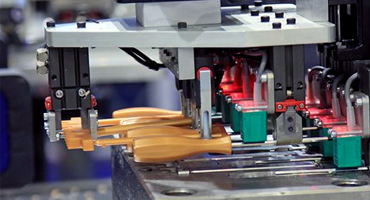
The insert (typically brass, stainless steel, or aluminum) is manually or robotically placed onto core pins in the open mold. The mold closes and molten plastic is injected, flowing around and through the insert's knurled or undercut features to create a mechanical bond. The plastic shrinks slightly as it cools, creating a tight compression fit around the insert. The complete cycle takes 30-90 seconds.
When to Choose Insert Molding
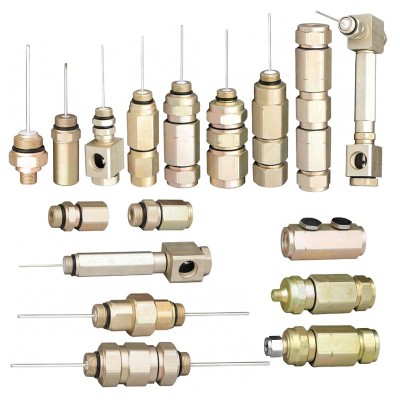
Threaded inserts: When plastic threads would wear out from repeated assembly/disassembly. Brass inserts provide durable threads in plastic housings. Electrical contacts: When pins or terminals must be permanently and precisely positioned in a plastic component. Filters and screens: When mesh or porous components need to be sealed into a plastic frame. Medical devices: When metal components must be hermetically sealed within plastic housings.
Advantages Over Post-Molding Assembly
Insert molding eliminates: secondary pressing or ultrasonic insertion operations, alignment errors during assembly, the risk of inserts pulling out under load, and added labor costs for post-molding insert installation. The resulting assembly is stronger than pressed-in inserts because the plastic actually shrinks around the insert's features.
Why Choose SOMI Custom Parts
At SOMI Custom Parts, we offer insert molding with robotic insert placement for high-volume production and manual placement for prototyping and low volumes. Our engineers design custom fixturing to precisely locate inserts before injection. We work with a wide range of insert materials and configurations, and our Moldflow simulation ensures proper plastic flow around inserts to prevent voids and weld lines.
Case Study
A manufacturer of electrical connectors needed plastic housings with four precision-located brass threaded inserts. Previously, they molded the housing, then pressed inserts in a secondary operation that had a 3% misalignment rate. SOMI designed the mold with insert-loading core pins, molded the four inserts directly into each housing, and eliminated the secondary operation entirely. Scrap rate dropped to 0.2% and total cost reduced by 28%.
Industry Data
Insert molding can reduce total assembled part cost by 20-40% compared to separate molding plus post-assembly insertion (SPE, 2025). Insert pull-out strength is typically 2-3x higher with molded-in inserts compared to pressed-in or ultrasonically inserted alternatives, making it the preferred choice for threaded connections in plastic parts.
Related Questions
- How does insert molding improve part durability?
- What is overmolding and its applications?
- How to design parts for injection molding?
- What factors influence injection molding costs?
Are you looking for a reliable manufacturer of down home textile products?
We can quickly provide customers with market analysis, technical support and customized services.From concept to product
From prototyping to production, our production sites can handle all your manufacturing projects.
subscription