Your Ultimate Guide: How to Choose the Right CNC Machining Parts Manufacturer for Your Project
Finding Your Perfect CNC Machining Partner: A 10-Step Evaluation
In the world of product development and manufacturing, the quality of your components defines the success of your final product. Precision, durability, and timeliness are non-negotiable. This makes choosing a Computer Numerical Control (CNC) machining parts manufacturer one of the most critical decisions you'll make. The right partner acts as an extension of your team, while the wrong one can lead to budget overruns, missed deadlines, and quality nightmares.
This guide provides a comprehensive framework to help you navigate the selection process. Whether you're a startup creating a first prototype or an established enterprise scaling up production, these ten key considerations will empower you to find a manufacturer that delivers on its promises.
1. Evaluate Their Technical Expertise and Industry Experience
Not all machine shops are created equal. A manufacturer's experience and areas of specialization are the foundation of their capabilities. Start by assessing their track record. How long have they been in business? More importantly, do they have demonstrable experience in your specific industry, whether it's aerospace, medical, automotive, or consumer electronics?
A partner with industry-specific knowledge will already understand the unique standards, materials, and challenges relevant to your project. They will be familiar with compliance requirements like AS9100 for aerospace or ISO 13485 for medical devices, which is a significant advantage. Ask for case studies or examples of past projects similar to yours to gauge their expertise.
2. Scrutinize Their Equipment and Technological Capabilities
The technology a shop uses directly impacts the quality, precision, and efficiency they can offer. A modern, well-maintained fleet of equipment is a strong indicator of a commitment to quality. Key things to inquire about include:
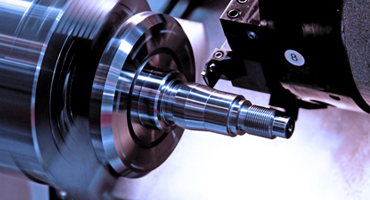
- Types of Machines: Do they have the right equipment for your part's complexity? This includes 3-axis, 4-axis, and advanced 5-axis CNC mills, CNC lathes, Swiss screw machines for small, intricate parts, and perhaps secondary equipment for finishing or assembly.
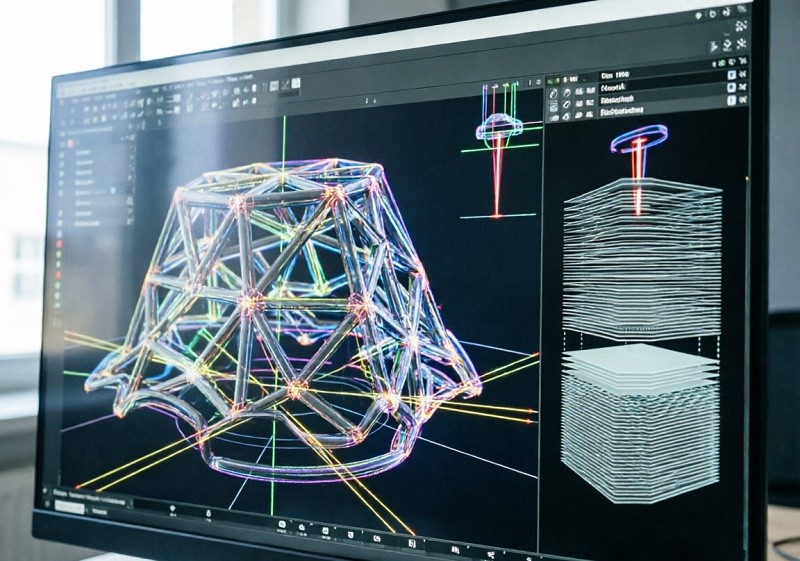
- Technological Advancement: Are they investing in new technology? Shops that adopt the latest software (CAD/CAM), high-speed spindles, and automation are often more efficient and capable of handling complex geometries with tighter tolerances.
3. Deep Dive into Their Quality Control Systems
A promise of quality is meaningless without a robust system to back it up. A top-tier manufacturer will have a dedicated quality control department and a well-documented process. Key indicators of a strong quality system include:
- Certifications: Look for certifications like ISO 9001, which demonstrates a commitment to a standardized quality management system.
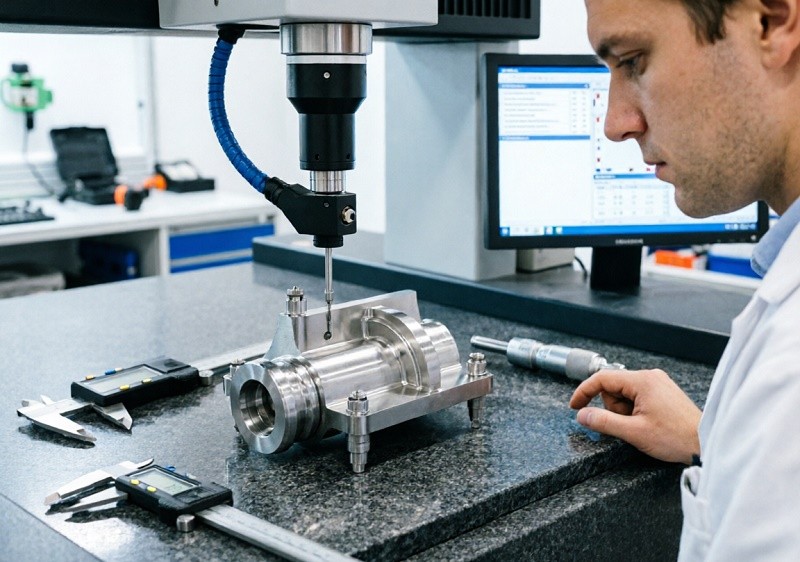
- Inspection Equipment: Do they use modern inspection tools like Coordinate Measuring Machines (CMMs), optical comparators, and surface roughness testers to verify that every dimension meets your specifications?
- Process Documentation: Inquire about their process for First Article Inspections (FAI), in-process checks, and final inspection reporting. Traceability of materials and processes is crucial for accountability.
4. Assess Their Knowledge of Materials
Your chosen material dictates the performance of your part. A competent manufacturer must have deep expertise in working with a wide range of materials. Their team should be able to advise on material selection and have the correct tools and techniques for each one. Whether your project requires standard aluminum and steel, exotic alloys like Inconel or titanium, or engineering-grade plastics like PEEK and Delrin, the manufacturer's experience with that specific material is vital to avoid costly errors and ensure a superior finish.
5. Prioritize Clear Communication and Project Management
Excellent machining skills are wasted if the company is difficult to work with. Machining is a collaborative process, and transparent, responsive communication is essential. When you first contact a potential partner, evaluate their responsiveness. Are they quick to reply to your Request for Quote (RFQ)? Do they provide clear and detailed information? A good partner will assign a dedicated point of contact or project manager who provides regular updates and is readily available to answer technical questions.
6. Analyze Their Lead Times and Delivery Reliability
Long or unpredictable lead times can completely derail your production schedule. When evaluating a manufacturer, ask directly about their typical turnaround times for both prototyping and full production runs. More importantly, inquire about their on-time delivery track record. A reliable partner uses sophisticated scheduling systems (like MRP/ERP) to manage their workload and provide realistic timelines. They should also demonstrate flexibility and a willingness to accommodate rush orders when possible, proving they are a resilient and adaptable partner.
7. Understand Their Full Range of Capabilities
Can the manufacturer handle your entire project from start to finish? A single-source partner who offers a broad range of services adds immense value and simplifies your supply chain. Look for a shop that can provide more than just basic machining. Additional in-house services to look for include:
- Prototyping and Production: Can they support your project from a single prototype to a high-volume production run of thousands of parts?
- Secondary Operations: Do they offer finishing services such as anodizing, plating, powder coating, heat treating, or part assembly?
- Design for Manufacturability (DFM): Do they proactively offer feedback on your design to improve manufacturability and reduce cost?
8. Evaluate Scalability from Prototype to Production
Your needs may change. The partner you choose for a prototype should also have the capacity to handle a full production run. A manufacturer who excels at scaling from ten parts to ten thousand without a drop in quality or a significant delay is a true strategic asset. This capability indicates they have robust processes, a reliable supply chain, and the quality systems needed to support large-scale operations, ensuring a smooth transition as your project grows.
9. Don't Base Your Decision Solely on Price
While cost is always a factor, the cheapest quote is often not the best value. A low price can hide costs associated with poor quality, missed deadlines, or communication breakdowns. A better approach is to evaluate cost-effectiveness. A great partner provides value by optimizing designs, minimizing waste, and delivering reliable parts that work correctly the first time. The total cost of ownership—including potential rework, delays, and management overhead—is far more important than the initial price per part.
10. Check Their Reputation and Client Testimonials
Finally, do your due diligence by researching the company's reputation. Look for online reviews, read client testimonials, and ask for references. A long history of positive feedback and long-term partnerships with other companies is a strong indicator of reliability and customer satisfaction. An established, respected manufacturer will have a proven track record they are proud to share.
Partner Evaluation Checklist
Use this table to compare potential CNC machining manufacturers across the most critical factors.
| Feature | Manufacturer A | Manufacturer B | Manufacturer C | Notes |
|---|---|---|---|---|
| Industry Experience | Relevant to Aerospace/Medical? | |||
| Key Certifications (ISO 9001) | AS9100 or ISO 13485? | |||
| Equipment (5-Axis, Swiss) | Can they handle our complexity? | |||
| In-House QC (CMM) | What inspection tools are used? | |||
| Material Expertise | Experience with Titanium/PEEK? | |||
| Communication | Responsive during RFQ process? | |||
| Quoted Lead Time | Are timelines realistic? | |||
| Scalability | Can they handle production volume? | |||
| Secondary Services | Anodizing, Assembly? |
Conclusion: Building a Partnership for Success
Choosing a CNC machining parts manufacturer is about more than just finding a supplier; it's about building a long-term strategic partnership. By thoroughly evaluating potential partners based on their expertise, technology, quality systems, and communication, you can mitigate risks and find a company that will contribute directly to your project's success. Take the time to ask the right questions and conduct a comprehensive assessment. This initial investment of effort will pay dividends in the form of high-quality parts, on-time delivery, and a reliable, collaborative relationship you can count on for years to come.