What to Consider When Partnering with a Sheet Metal Fabrication Supplier
Choosing the right partner for your sheet metal fabrication needs is a bit like choosing a key team member – it's crucial for the success of your project. As someone who's navigated the complexities of custom manufacturing, I know that finding a reliable and capable supplier for Sheet Metal Fabrication isn't just about getting a quote; it's about forming a strategic alliance.
Custom metal fabrication transforms raw materials into products specifically tailored to unique specifications. Whether you're creating something entirely new or improving an existing design, the expertise of your sheet metal fabrication supplier can make all the difference. This guide will walk you through the essential factors I consider when making such a vital decision.
From specialized components for the automotive industry to robust structures for aerospace, custom sheet metal fabrication is everywhere. Let's explore how to choose a supplier that truly aligns with your technical requirements, quality standards, and overall business goals.
Assessing the Experience and Expertise of Your Sheet Metal Fabrication Supplier
When you partner with a sheet metal fabricator, you're not just buying a service; you're investing in the knowledge and skill that will ultimately shape your product. Experienced metal fabricators bring a wealth of expertise that can streamline processes, reduce turnaround times, and lead to significant cost savings. A thorough evaluation of a potential supplier's background is the first and most critical step in ensuring your project's success.
Depth of Industry Experience
A supplier's history is a strong indicator of their ability to perform. Look for a company that has not only been in business for a significant amount of time but has also grown and adapted to industry changes. Their longevity often correlates with reliability and a deep understanding of the manufacturing landscape.
Project History and Complexity
A supplier's portfolio is a window into their capabilities. When reviewing their past projects, don't just look for visual appeal; assess the complexity and scale of the work. A diverse portfolio that showcases projects similar to yours is a good sign that they have the required skills. Ask for case studies or examples that demonstrate their ability to handle intricate geometries, tight tolerances, and challenging materials. This will give you confidence in their ability to meet your specific needs.
Relevant Specializations
Sheet metal fabrication is not a one-size-fits-all discipline. Many fabricators specialize in particular industries, such as aerospace, medical, automotive, or architectural metals. A supplier with experience in your specific sector will already be familiar with its unique standards, material requirements, and regulatory demands. For example, fabricating parts for the aerospace industry requires a different level of precision and material knowledge than creating components for retail displays. Choosing a specialist can prevent costly errors and ensure your product meets all necessary compliance.
| Industry Specialization | Key Considerations |
|---|---|
| Aerospace & Defense | Extreme precision, knowledge of exotic alloys, strict regulatory compliance (e.g., AS9100). |
| Medical Devices | High-precision, sanitary welding, material traceability, and compliance with medical standards. |
| Automotive | High-volume production capabilities, durability, and cost-efficiency. |
| Architectural | Aesthetic quality, weather resistance, and ability to execute complex designs. |
Workforce Skill and Certifications
The quality of a fabricator's team is just as important as their equipment. A skilled workforce is the foundation of high-quality output, ensuring that every component is made with precision and expertise.
Staff Experience and Training Programs
Inquire about the experience level of the welders, machine operators, and engineers. A company that invests in its employees through continuous, on-the-job training and mentorship programs is a company dedicated to quality. Some firms offer robust apprenticeship programs that cultivate a highly skilled workforce over several years. These programs often include instruction in a wide range of fabrication skills, from basic layout to advanced welding and CNC machine operation. This commitment to staff development not only enhances product quality but also leads to higher employee retention, ensuring consistency and reliability for your projects.
Professional Certifications and Technical Knowledge
Certifications are a formal validation of a supplier's commitment to quality and safety. Look for company-wide and individual credentials from respected organizations like the American Welding Society (AWS) and the American Society of Mechanical Engineers (ASME).
Key certifications to look for include:
- ISO 9001: This is the international standard for a quality management system. An ISO 9001 certification indicates that the supplier has established and maintains effective processes to ensure consistent quality and customer satisfaction.
- AWS Certified Welding Fabricator (CWF): This certification demonstrates a company's commitment to welding excellence and that its quality management system meets AWS standards. It provides assurance that the fabricator has the necessary procedures, personnel, and equipment to produce high-quality welds.
- Individual Welder Certifications (CW): This proves a welder's competence in specific processes and materials. A team of certified welders is crucial for projects where weld integrity is critical for safety and performance.
Holding these certifications means a fabricator is less likely to produce defects, leading to less rework and more reliable products. It serves as verifiable proof that their craftsmanship meets or exceeds the highest benchmarks in the industry.
Evaluating the Technical Capabilities and Financial Stability of Your Sheet Metal Fabrication Supplier
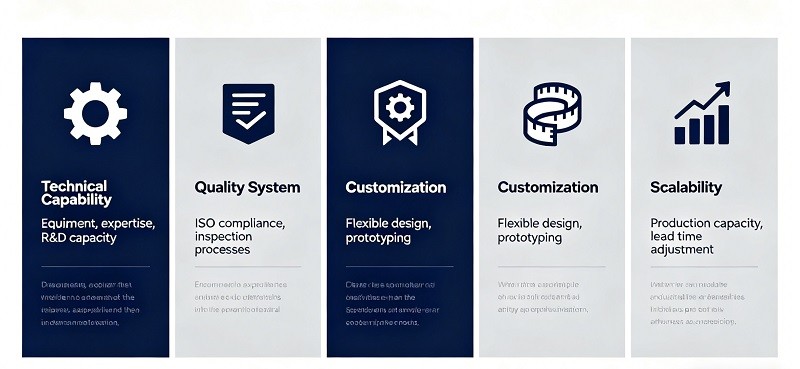
A supplier's experience is foundational, but their technical prowess and financial health are what ensure they can deliver on their promises both today and in the future. A partner with state-of-the-art technology can offer higher precision and efficiency, while one with a solid financial footing provides the reliability needed for a long-term relationship.
Manufacturing Technology and Equipment
The equipment a fabricator uses directly impacts quality, speed, and cost. A shop that invests in modern technology is better positioned to handle complex jobs, maintain tight tolerances, and scale production efficiently.
Advanced Fabrication Techniques
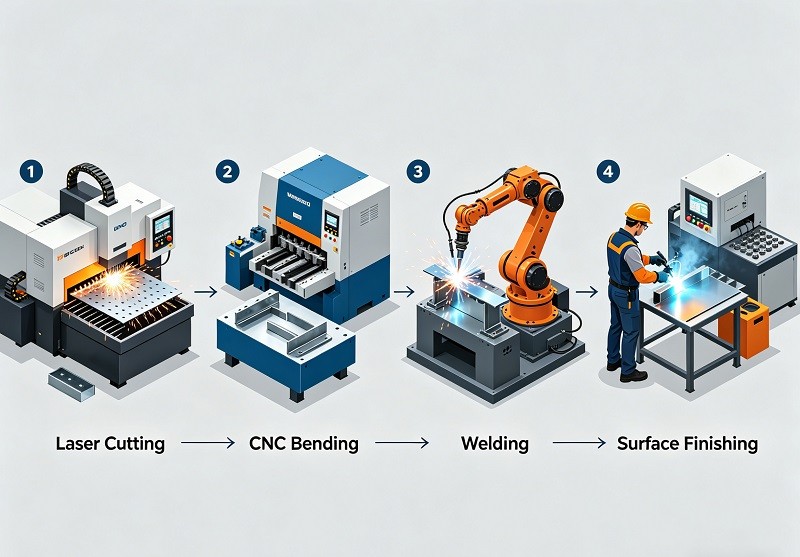
Modern sheet metal fabrication has evolved far beyond basic cutting and bending. Look for a supplier that utilizes advanced techniques to improve precision and efficiency. Key technologies include:
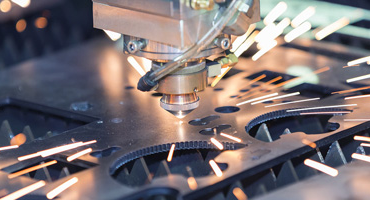
- Laser Cutting: Fiber lasers offer incredible speed and can cut a wide variety of materials and thicknesses with clean edges, minimizing the need for secondary finishing processes. This method is extremely precise, making it ideal for parts with intricate designs.
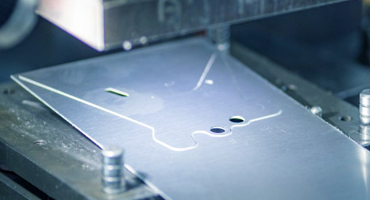
- CNC Punching and Bending: Computer Numerical Control (CNC) machines translate digital designs into precise physical actions. CNC press brakes, especially those with adaptive bending technology, use real-time sensors to adjust for material variations, ensuring every bend is accurate.
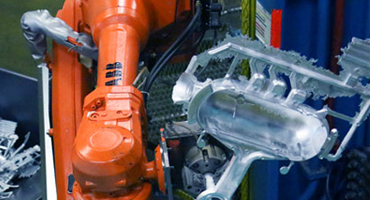
- Robotic Welding and Assembly: Automation in welding, particularly with laser beam welders, can be significantly faster than traditional methods and reduces heat distortion, which is critical for thin materials. Robots ensure consistent weld quality and can operate continuously, boosting productivity.
Design Tools and Automation Levels
A supplier's use of software and automation is a strong indicator of their efficiency and sophistication. Advanced Computer-Aided Design (CAD) and Computer-Aided Manufacturing (CAM) software allows for the seamless translation of 3D models into machine instructions, reducing the chance of human error. This integration is crucial for maintaining precision from the design phase through to the final product.
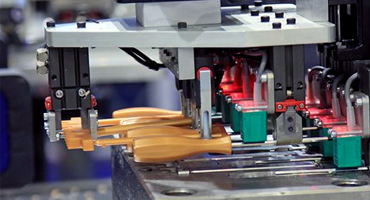
Furthermore, a high level of automation in the workflow, from material handling to final assembly, streamlines operations, reduces cycle times, and enhances safety. Automated systems can be easily adapted to different production requirements, offering the flexibility to handle both small custom runs and high-volume orders.
Operational Capacity and Financial Health
A supplier must have the operational bandwidth to handle your current and future needs, as well as the financial stability to weather economic fluctuations. These two factors are critical for mitigating supply chain risks.
Scalability and Resource Availability
Scalability is a supplier's ability to increase production capacity without sacrificing quality, consistency, or lead times. As your business grows, you need a partner who can grow with you. A scalable fabricator can handle fluctuations in demand, from small prototype runs to large-scale production, ensuring you can confidently take on larger contracts. Ask potential suppliers about their production capacity, workforce strength, and whether they have backup equipment or processes to prevent bottlenecks.
Indicators of Financial Reliability
Assessing a supplier's financial health is crucial for ensuring long-term reliability. A financially unstable supplier can cause significant disruptions, from delivery delays to a complete halt in production. While private companies aren't required to share their financials, there are several red flags and positive indicators to look for:
Red Flags:
- Delayed Deliveries or Poor Communication: Frequent missed deadlines or evasive answers can signal underlying operational or cash flow problems.
- Requests for Upfront Payments: If a supplier requires significant payment upfront and does not offer standard terms like Net 30, it could indicate they lack the capital to purchase materials.
- High Employee Turnover: Frequent changes in key personnel, especially in management, can reflect internal turmoil and instability.
- Declining Quality: A sudden drop in product quality might be a result of cost-cutting measures, such as using lower-grade materials.
- Legal Issues or Negative News: Lawsuits, regulatory fines, or negative market rumors can be early warnings of financial distress.
Positive Signs:
- Investment in Itself: A company that is growing, expanding its facility, or purchasing new equipment is typically in good financial health.
- Healthy Financial Ratios: If financial statements are available, look for positive operating cash flow, manageable debt levels (debt-to-equity ratio), and healthy liquidity ratios (current ratio).
- Good Credit References: A supplier should be willing to provide credit references. Verifying these references is a key step in confirming their financial standing.
By thoroughly vetting a supplier's technical capabilities and financial stability, you can build a partnership based on trust and reliability, ensuring your supply chain remains robust for years to come.
Ensuring Quality Control and Material Management with Your Sheet Metal Fabrication Supplier
A supplier can have the best equipment and the most experienced team, but without rigorous quality control and strategic material management, the final product can fall short. These two pillars ensure that every part is not only built correctly but is also made from materials that meet your performance and durability standards. Quality control is vital for ensuring product consistency and reducing costs associated with waste and rework.
Rigorous Quality Assurance Processes
A commitment to quality should be evident in every stage of the fabrication process, from initial design review to final inspection. A dependable supplier doesn't just check for quality at the end; they build it into their workflow.
Internal Testing and Regulatory Adherence
A fabrication partner should have a systematic process for inspecting parts throughout production. This multi-stage approach minimizes errors and ensures the final product meets all specifications. Key quality control stages include:
- Incoming Material Inspection: This is the first line of defense. The supplier should verify material certifications, check for surface defects like corrosion or scratches, and confirm dimensional accuracy to ensure the raw materials meet specifications.
- In-Process Inspection: Quality checks should be performed at critical stages like cutting, bending, and welding. Using tools like calipers, gauges, and even advanced Coordinate Measuring Machines (CMMs), operators can identify and correct deviations before they become larger problems. CMMs are highly precise systems that use a probe to measure points on a component's surface, comparing the data against the original CAD model to ensure tight tolerances are met.
- Final Inspection: Before shipment, a thorough final inspection validates the finished product's dimensions, surface finish, and overall quality against the engineering drawings and quality standards.
Adherence to regulatory standards is non-negotiable, especially in industries like aerospace, automotive, or medical. A quality supplier will have documented processes to ensure every part is compliant.
Industry Certifications and Performance Metrics
Industry certifications serve as third-party validation of a supplier's quality management system (QMS). The most globally recognized standard is ISO 9001:2015, which demonstrates a company's commitment to customer focus, consistent processes, and continuous improvement. Working with an ISO-certified fabricator provides assurance that they follow documented procedures for things like material traceability, process control, and handling non-conforming products.
Beyond certifications, mature fabrication shops track Key Performance Indicators (KPIs) to monitor and improve their operations. Important metrics to inquire about include:
- On-Time Delivery (OTD) Rate: Shows their reliability in meeting schedules.
- Rework and Scrap Rates: A low rate indicates high process quality and material efficiency.
- Customer Returns: This metric is a direct reflection of customer satisfaction with product quality.
A supplier who is transparent about their KPIs is confident in their processes and dedicated to continuous improvement.
Strategic Material Sourcing and Expertise
The quality of a finished product is fundamentally linked to the quality of the raw materials used. A strategic supplier doesn't just buy metal; they manage a supply chain, leverage material expertise, and build strong partnerships to ensure consistency and availability.
Experience with Diverse Metal Grades
Different applications demand different materials, each with unique properties regarding strength, corrosion resistance, weldability, and cost. A knowledgeable supplier should be able to guide you on the best material for your project. Common sheet metal materials include:
- Stainless Steel: Known for its corrosion resistance and aesthetic appeal. Grades like 304 are versatile and widely used, while 316 offers superior corrosion resistance for marine or chemical environments.
- Aluminum: Offers an excellent strength-to-weight ratio. Different grades have varying properties; for example, Grade 1100 is highly formable, while Grade 6061 is a stronger structural alloy.
- Carbon Steel: A cost-effective and strong material often used in construction and automotive applications. Grades like A36 offer good formability and weldability.
An experienced fabricator will understand how these materials behave during fabrication—for instance, how much a certain grade of steel will "spring back" after bending—and adjust their processes accordingly.
Material Sourcing Partnerships
A supplier's relationship with their material providers is a critical part of your supply chain. Strong partnerships with mills and distributors help ensure a consistent supply of high-quality materials and can help mitigate price fluctuations and long lead times. Inquire about their sourcing strategy:
- Do they have multiple, vetted suppliers for critical materials to reduce risk?
- Do they have a process for verifying the quality and traceability of incoming materials?
- Can they source and work with specialized or exotic alloys if your project requires them?
A fabricator with a robust and transparent material sourcing strategy is better equipped to handle disruptions and ensures that your project is built with certified, high-quality metals from start to finish. This focus on the supply chain is a hallmark of a true strategic partner.