What is Wholesale CNC Machined Steel Parts Manufacturing? Explained
As we delve into the world of manufacturing, we often encounter terms like CNC machining. Today, we're going to explore a specialized yet critical area: the manufacturing of Wholesale CNC Machined Steel Parts. This intricate process is a fundamental engine powering numerous industries, and understanding it can shed light on the creation of countless objects we interact with daily.
Wholesale CNC machined steel parts manufacturing involves the use of sophisticated, computer-controlled machines to precisely cut, shape, and finish steel components in large quantities. This method is highly prized across the industrial sector for its unparalleled accuracy, remarkable efficiency, and the consistent ability to produce high-quality parts. It stands as a cornerstone of modern industrial production, enabling innovations and meeting the rigorous demands of a global market.
Unveiling Wholesale CNC Machined Steel Parts Manufacturing: The Core Process
What is CNC Machining?
At its heart, wholesale steel parts manufacturing is driven by CNC machining. CNC, which stands for Computer Numerical Control, is an automated manufacturing process where pre-programmed computer software dictates the movement and operation of factory tools and machinery. This technology has revolutionized modern production by allowing complex tasks to be completed with exceptional precision and efficiency, largely replacing older, manual control methods.
The Basics of Computer Numerical Control (CNC)
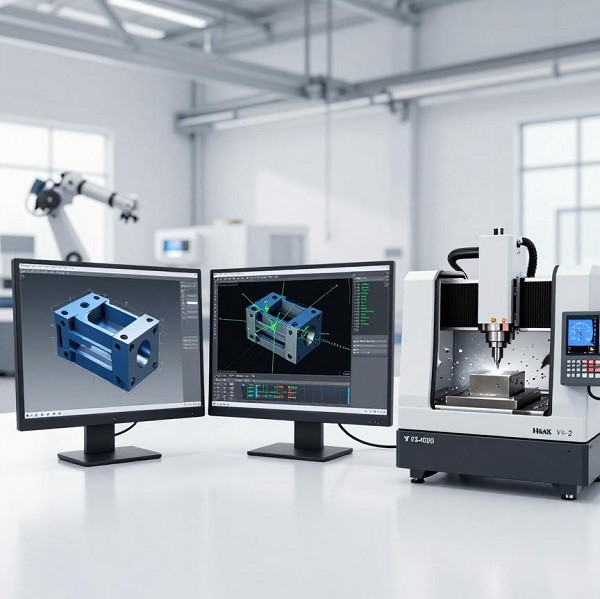
CNC technology is the evolution of earlier numerical control (NC) systems, which used inputs like punched tape to direct machines. Modern CNC systems are far more sophisticated. The process begins with a 2D or 3D computer-aided design (CAD) model of the desired part. This digital blueprint is then converted by computer-aided manufacturing (CAM) software into a specific programming language, most commonly G-code.
G-code contains precise instructions that control every aspect of the machine's actions, including:
- Movement: Directing the tool along the X, Y, and Z axes.
- Speed: Controlling the rotation speed of the cutting tool (spindle speed).
- Feed Rate: Dictating how fast the machine moves the cutting tool into the workpiece.
- Coordination: Synchronizing the movements of the tool and the workpiece.
A microcontroller, or Machine Control Unit (MCU), within the CNC machine interprets these commands and translates them into exact mechanical movements. This high level of automation eliminates the need for a human operator to manually guide the machine with levers or wheels, drastically reducing the potential for error and ensuring that every part produced is a perfect replica of the last.
The Role of Subtractive Manufacturing
CNC machining is a form of subtractive manufacturing. This process involves starting with a solid block of material, known as a workpiece or blank, and systematically removing material from it to achieve the final, desired shape. Think of it like a sculptor carving a statue from a block of marble—material is carefully cut away until only the finished form remains.
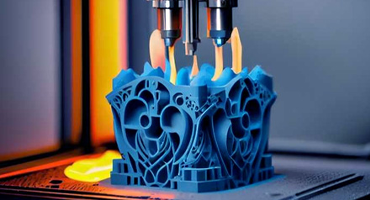
This method is the opposite of additive manufacturing (like 3D printing), which builds a part layer by layer. While additive processes are excellent for certain applications, subtractive manufacturing is often preferred for steel parts due to its ability to produce components with superior strength, tight tolerances, and excellent surface finishes. The process begins with a solid block, ensuring the final part retains the inherent structural integrity of the raw material. Common subtractive techniques used in CNC machining include milling, turning, drilling, and grinding.
Defining Wholesale CNC Machined Steel Parts Manufacturing
When the principles of CNC machining are applied to producing a large volume of steel parts for commercial resale, it is defined as wholesale CNC machined steel parts manufacturing. This specialization focuses on two primary objectives: scaling production efficiently and upholding strict quality control across every single part.
High-Volume Production and Cost Efficiency
One of the greatest strengths of CNC machining is its suitability for high-volume production. Once a CNC machine is programmed and set up for a specific steel part, it can run continuously with minimal human intervention, producing thousands of identical components. This automation is a cornerstone of cost efficiency in manufacturing.
Scaling up production with CNC technology allows manufacturers to significantly lower the cost per part. The initial investment in programming and setup is spread across a large production run, making it economically advantageous for industries that require vast quantities of components, such as the automotive or electronics sectors. Furthermore, the precision of CNC machining minimizes material waste by optimizing cutting paths, which further reduces costs, especially when working with specialized or expensive steel alloys.
Maintaining Quality Standards at Scale
Producing parts in high volume is only beneficial if quality remains consistently high. Wholesale CNC machining excels in this area by integrating rigorous quality control measures throughout the production process. Quality control is not merely a final inspection but an integral system designed to ensure every part meets tight tolerances and specifications.
Best practices for maintaining quality at scale include:
- Regular Machine Calibration: CNC machines require frequent calibration and maintenance to preserve their accuracy and prevent deviations over long production runs.
- In-Process Inspections: Instead of waiting until a batch is complete, parts are inspected at various stages of the machining process. This allows for real-time adjustments and catches potential defects early, reducing waste and rework.
- Statistical Process Control (SPC): This data-driven method involves continuously monitoring and analyzing production data to identify variations or trends, allowing for proactive corrections before significant problems arise.
- Advanced Inspection Tools: Manufacturers use precision instruments like Coordinate Measuring Machines (CMMs) and optical comparators to verify dimensional accuracy and surface finish with a high degree of certainty.
By implementing these measures, manufacturers can ensure that even on a production run of thousands of units, the first part is functionally identical to the last. This reliability is crucial in industries where even minor defects can lead to critical failures.
Common CNC Machining Processes for Steel Parts
Different steel parts require different machining approaches to create their final form. The versatility of CNC technology allows for a range of specialized processes, each suited for creating specific shapes and features. The most common of these include milling, turning, drilling, and grinding.
CNC Milling for Complex Shapes
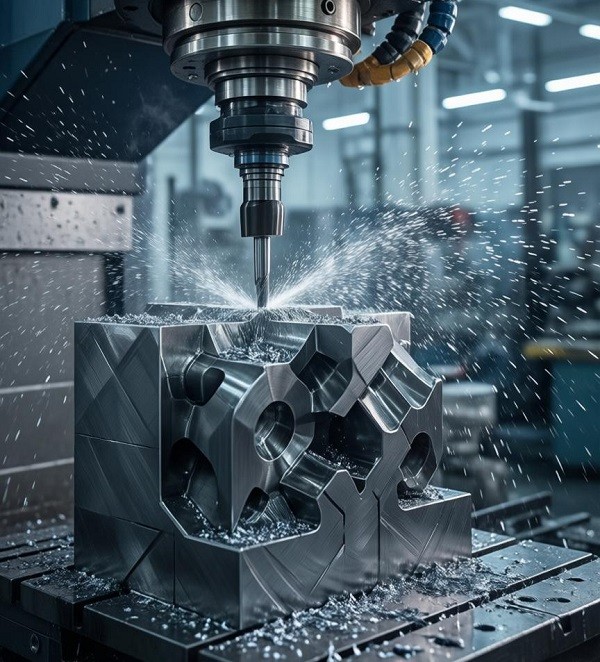
CNC milling is a process that uses rotary cutters to remove material from a stationary workpiece. The cutting tool is held in a rotating spindle, and the machine moves either the tool or the workpiece along multiple axes to create complex geometries, including flat surfaces, slots, pockets, and intricate 3D contours. For producing complex steel parts, CNC milling is indispensable. Multi-axis milling machines (such as 3-axis, 4-axis, and 5-axis machines) allow the cutting tool to approach the workpiece from various angles in a single setup, enabling the fabrication of highly complex designs that would be impossible with more basic methods.
CNC Turning for Cylindrical Components
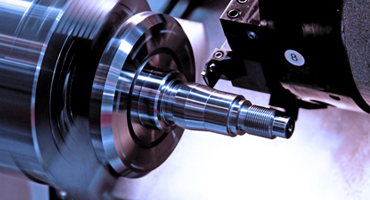
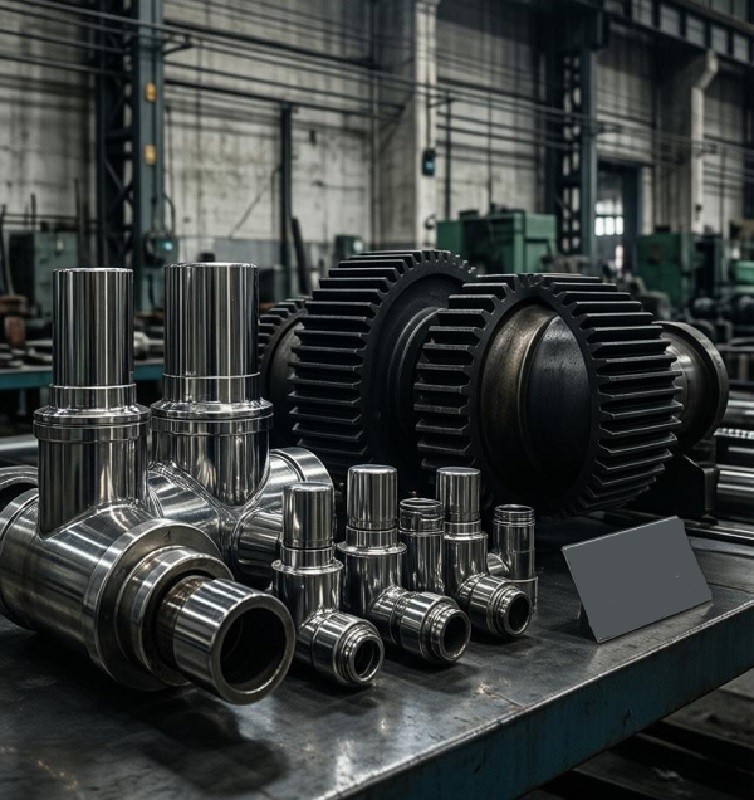
CNC turning is used to create parts with cylindrical or conical shapes. In this process, the workpiece is mounted on a spindle and rotated at high speed. A stationary cutting tool is then moved along the surface of the rotating workpiece to remove material and shape it. CNC turning, typically performed on a machine called a CNC lathe, is ideal for manufacturing parts like shafts, pins, bushings, and fittings. Modern CNC turning centers can also perform secondary operations like drilling, threading, and even milling with live tooling, allowing for the creation of complex rotational parts in a single machine cycle.
Other Essential Processes: Drilling and Grinding
CNC Drilling: This process is specifically used to create round holes in a workpiece. While milling and turning centers can also perform drilling, dedicated CNC drilling machines are optimized for high-speed, high-accuracy hole production. Programmed instructions control the exact position, depth, and diameter of each hole, ensuring perfect alignment and consistency, which is critical for parts that require assembly with bolts or screws.
CNC Grinding: Grinding is a finishing process that uses an abrasive wheel to achieve very fine surface finishes and exceptionally tight dimensional tolerances. After a part has been rough-machined through milling or turning, CNC grinding can be used to remove tiny amounts of material, refining the surface and bringing the part to its final, precise dimensions. This is especially important for steel components that require hardened surfaces or serve as high-precision bearing surfaces.
The Advantages of Opting for Wholesale CNC Machined Steel Parts
Choosing wholesale CNC machining for steel parts offers a host of compelling advantages that are critical for modern manufacturing. These benefits range from achieving microscopic levels of precision to delivering significant cost savings at scale, making it the preferred method for countless industries.
Unmatched Precision and Accuracy
Perhaps the most significant advantage of CNC machining is its ability to produce parts with extraordinary precision and accuracy. The computer-controlled nature of the process ensures that every cut, hole, and contour is executed exactly as defined in the digital design file.
Meeting Strict Tolerances and Specifications
In manufacturing, tolerance refers to the acceptable range of variation for a specific dimension of a part. Many industries, particularly aerospace, medical, and automotive, require components to be manufactured to incredibly strict tolerances to ensure proper fit, function, and safety. CNC machines can consistently achieve very tight tolerances, often as precise as ±0.005 inches or even finer. This level of dimensional accuracy is nearly impossible to replicate with manual machining methods, especially over large production runs. The ability to adhere to these strict specifications is crucial for parts that must fit together perfectly in a larger assembly or perform under extreme conditions.
Reducing Errors and Ensuring Consistency
Human error is a natural variable in any manual process. Factors like fatigue, distraction, or misinterpretation of design drawings can lead to inconsistencies and defects. CNC automation effectively eliminates these variables. Once a program is created and validated, the CNC machine will execute the exact same sequence of movements for every single part, ensuring a high level of consistency across the entire production batch. This repeatability not only improves the overall quality of the products but also significantly reduces the rate of defects, which in turn minimizes material waste and the need for costly rework.
Efficiency, Speed, and Cost-Effectiveness in Wholesale CNC Machined Steel Parts Manufacturing
Efficiency is a key driver in manufacturing, and CNC machining is engineered to maximize it. By automating and streamlining the production process, this technology delivers faster outputs and significant cost reductions, especially in a wholesale context.
Streamlined Production and Faster Turnaround
Traditional manufacturing methods often involve multiple machine setups, manual repositioning of the workpiece, and sequential operations, all of which are time-consuming. Modern multi-axis CNC machines can perform several different operations—like milling, drilling, and turning—in a single setup. This consolidation of processes dramatically reduces setup time and minimizes manual intervention.
Furthermore, the automation inherent in CNC machining allows for continuous, 24/7 operation. Once programmed, machines can run with minimal supervision, leading to a massive increase in productivity and a significant reduction in lead times. This ability to deliver parts quickly is a major competitive advantage, allowing businesses to respond rapidly to market demands and maintain leaner supply chains.
Minimizing Material Waste and Labor Costs
CNC machining contributes to cost-effectiveness in two primary ways: reducing material waste and lowering labor costs.
Minimized Material Waste: Advanced CAM software optimizes the tool paths to ensure that parts are cut from the raw material in the most efficient way possible, reducing the amount of scrap. This is particularly beneficial when working with expensive steel alloys. The high precision of the process also reduces the number of defective parts, which further minimizes waste.
Reduced Labor Costs: While skilled programmers and operators are essential, CNC automation means that one operator can often oversee multiple machines simultaneously. This reduces the number of laborers required for direct production tasks. As a result, human resources can be reallocated to higher-value activities such as quality control, programming, and process optimization. The long-term savings on labor, especially in high-volume production, are substantial.
Durability and Mechanical Superiority of Wholesale CNC Machined Steel Parts
Beyond precision and efficiency, the choice of steel as a material, combined with the CNC machining process, results in components that offer superior mechanical performance and longevity.
Inherent Strength and Abrasion Resistance of Steel
Steel is renowned for its exceptional strength, toughness, and durability, making it an ideal material for parts subjected to high stress and mechanical wear. The subtractive nature of CNC machining preserves the material's internal grain structure and integrity, resulting in a finished part that is significantly stronger than one made through casting or additive manufacturing.
Furthermore, many steel alloys are specifically designed for high abrasion resistance. Abrasion-resistant (AR) steels are formulated and heat-treated to achieve high hardness, allowing them to withstand significant friction and wear over long periods. This makes them perfect for components in heavy machinery, mining equipment, and agricultural applications where parts are constantly in contact with abrasive materials.
Corrosion and Heat Resistance for Demanding Environments
Many industrial applications expose components to harsh conditions, including moisture, chemicals, and extreme temperatures. CNC machining can be performed on a wide variety of specialized steel grades that are engineered to thrive in these environments.
- Corrosion Resistance: Stainless steel grades, such as 304 and 316, contain chromium, which forms a passive, corrosion-resistant oxide layer on the surface. Grade 316, with the addition of molybdenum, offers even greater resistance to chlorides and acids, making it suitable for marine, chemical processing, and food-grade applications.
- Heat Resistance: In high-temperature environments like furnaces, exhaust systems, and engines, heat-resistant steel grades are essential. Austenitic grades like 310 and 321 are designed to maintain their strength and resist oxidation at temperatures exceeding 1000°C (1832°F). The ability to machine these tough alloys allows for the production of durable components that will not fail under thermal stress.
Diverse Applications and Material Selection in Wholesale CNC Machined Steel Parts
The combination of high precision, strength, and material versatility makes CNC machined steel parts indispensable across a wide spectrum of industries. From flight-critical aerospace components to robust construction equipment, this manufacturing method provides the foundational building blocks for modern technology and infrastructure.
Key Industries Reliant on Wholesale CNC Machined Steel Parts
Nearly every sector that requires durable, reliable, and precise metal components relies on CNC machining. The ability to produce identical parts in high volumes makes it particularly crucial for large-scale manufacturing operations.
Aerospace and Automotive
- Aerospace: The aerospace industry operates under the most stringent safety and quality standards. Components for aircraft and spacecraft—such as engine parts, landing gear components, and structural frames—must be manufactured to incredibly tight tolerances to withstand extreme pressures and temperatures. CNC machining is the only process that can deliver this level of precision and repeatability, making it indispensable for producing flight-critical parts from high-strength steel and specialty alloys.
- Automotive: From engine blocks and transmission components to gears and pistons, the automotive industry relies on CNC machining for the mass production of critical parts. The process ensures that every component meets the exact specifications needed for performance, safety, and fuel efficiency. As vehicles become more complex, especially with the rise of electric vehicles, the need for precisely machined parts continues to grow.
Medical and Electronics
- Medical: In the medical field, precision can be a matter of life and death. CNC machining is used to create a vast array of medical devices, from surgical instruments like scalpels and forceps to custom orthopedic implants like hip and knee replacements. The process allows for the use of biocompatible materials such as medical-grade stainless steel and titanium, ensuring that devices are safe for use within the human body.
- Electronics: While often associated with larger components, CNC machining is also vital for the electronics industry. It is used to produce tiny, intricate parts like connectors, switches, and heat sinks, which are essential for everything from smartphones to large data servers. The precision of CNC machining ensures these small components fit and function perfectly within complex electronic assemblies.
Industrial Automation and Construction
- Industrial Automation: The machinery that powers modern factories is built with CNC machined parts. Components for robotic arms, conveyor systems, and other automated equipment must be strong, durable, and precise to ensure reliable operation. Parts like gears, bearing housings, guide rings, and custom fixtures are routinely produced using CNC machining.
- Construction: Heavy machinery used in the construction industry, such as excavators, cranes, and bulldozers, relies on robust steel parts that can withstand heavy loads and harsh conditions. CNC machining is used to produce durable components for this equipment, ensuring they perform reliably in demanding environments.
Choosing the Right Steel for Wholesale CNC Machined Parts Manufacturing
Choosing the right material is a critical decision that directly impacts the cost, performance, and longevity of a CNC machined part. Steel is not a single material but a vast family of alloys, each with unique properties. The selection process involves balancing the functional requirements of the part with factors like machinability and cost.
Understanding Different Steel Grades: Stainless, Carbon, and Alloy
The three primary categories of steel used in CNC machining are stainless steel, carbon steel, and alloy steel.
| Steel Category | Key Characteristics | Common Applications |
|---|---|---|
| Stainless Steel | Primary feature is excellent corrosion resistance due to a high chromium content (at least 10.5%). Grades like 304 offer good general resistance, while 316 provides superior protection against chlorides and acids. They also offer good heat resistance and are hygienic. | Medical implants, surgical tools, food processing equipment, marine hardware, chemical processing components. |
| Carbon Steel | Composed mainly of iron and carbon. It is categorized as low, medium, or high carbon based on the carbon content. It is generally strong, durable, and cost-effective. However, it is susceptible to rust and corrosion unless it is coated or treated. | Structural parts, machinery components, gears, shafts, fasteners where corrosion is not a primary concern. |
| Alloy Steel | A type of steel that has other elements (like manganese, nickel, chromium, molybdenum, or vanadium) added to enhance specific properties. This can result in increased hardness, strength, wear resistance, and toughness compared to carbon steel. | High-stress applications like automotive drivetrains, aerospace components, and industrial tooling. Often requires heat treatment to achieve its full potential. |
Factors to Consider for Optimal Material Selection
Selecting the optimal steel grade for a project requires a careful evaluation of several factors:
- Functional Requirements: What is the part's purpose? It's essential to define the mechanical loads, operating temperature, and potential exposure to corrosive elements. A part under high stress will need a high-strength alloy steel, while a part used in a marine environment will demand a corrosion-resistant stainless steel.
- Machinability: Not all steels are equally easy to machine. Softer materials like low-carbon steel are generally easier and faster to machine, which reduces costs. Harder materials, such as high-carbon or certain alloy steels, can be more challenging and time-consuming to machine, increasing tool wear and overall production costs.
- Hardness and Wear Resistance: For components that will experience friction or impact, such as gears or cutting tools, a steel with high hardness and wear resistance is necessary. This often involves selecting an alloy or tool steel that can be heat-treated to the required hardness.
- Cost: The cost of the raw material is a significant factor, especially in wholesale production. Carbon steel is typically the most affordable, while specialized stainless and alloy steels are more expensive. The final choice must balance the performance requirements of the part against the budget for the project.
- Heat Treatment: Will the part require heat treatment (like hardening, tempering, or annealing) to achieve its desired properties? Some steels are designed to be heat-treated after machining, which adds an extra step and cost to the process. Others, known as pre-hardened steels, can be machined in their already-hardened state, simplifying the workflow.
The Impact of Multi-Axis Machining on Wholesale CNC Machined Steel Parts
As the demand for more complex and intricate components grows, the limitations of traditional 3-axis machining have become more apparent. The evolution to multi-axis CNC machining, particularly 4-axis and 5-axis systems, has been a game-changer, unlocking new possibilities in manufacturing efficiency and design freedom.
Beyond 3-Axis: Exploring 4-Axis and 5-Axis Capabilities
Traditional 3-axis CNC machines operate on three linear axes: X (left-right), Y (front-back), and Z (up-down). While highly effective for a wide range of parts, their capability is limited, as the cutting tool can only approach the workpiece from a single direction at a time. To machine features on different faces, the part must be manually removed and repositioned, which increases setup time and the potential for errors.
4-Axis Machining: This introduces a rotational axis (typically the A-axis) to the standard three linear axes. By rotating the workpiece, the machine can access multiple sides of a part without manual repositioning. This is particularly useful for creating features on cylindrical parts or for drilling holes on the sides of a block.
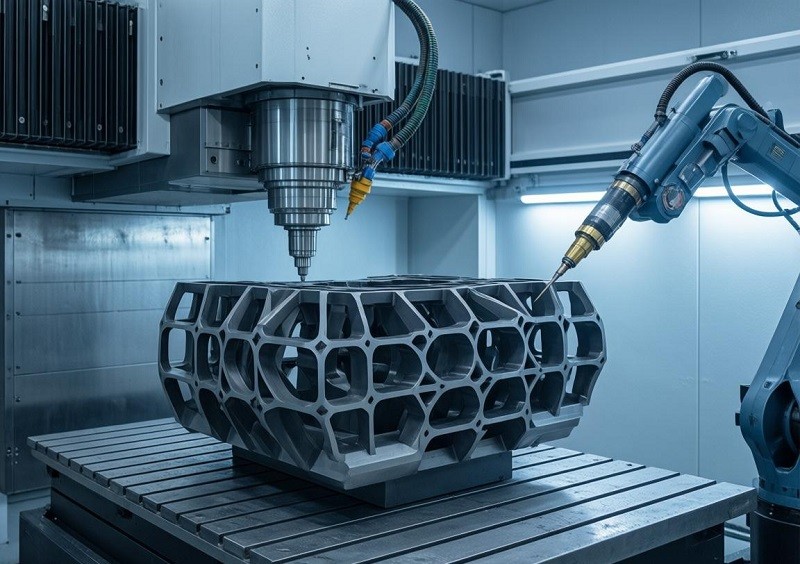
5-Axis Machining: This is the pinnacle of current CNC technology, adding a second rotational axis (either the B-axis or C-axis). With five axes of movement, the cutting tool can approach the workpiece from virtually any angle. This allows for the continuous machining of highly complex, contoured surfaces—such as those found on turbine blades or medical implants—in a single setup.
Benefits of Multi-Axis for Complex Wholesale CNC Machined Steel Parts
The adoption of multi-axis machining offers significant advantages, especially in the context of producing complex steel parts at a wholesale scale. These benefits directly address the core manufacturing goals of improving quality, speed, and cost-efficiency.
Achieving Intricate Geometries and Strict Tolerances
The primary advantage of multi-axis machining is the ability to produce parts with extremely complex geometries that would be difficult or impossible on a 3-axis machine. With 5-axis capabilities, undercuts, compound curves, and intricate internal features can be machined with ease.
Furthermore, because the part is machined in a single setup, the risk of cumulative positioning errors from multiple setups is eliminated. This leads to a higher degree of accuracy and makes it easier to consistently meet the strict tolerances required by industries like aerospace and defense. The ability to keep the cutting tool tangent to the workpiece surface also results in a superior surface finish, reducing the need for secondary polishing operations.
Reduced Setup Times and Enhanced Efficiency
In wholesale manufacturing, efficiency is paramount. Multi-axis machining directly boosts efficiency by drastically reducing setup time. A part that might require four or five different setups on a 3-axis machine can often be completed in a single setup on a 5-axis machine.
This consolidation of operations yields several key benefits:
- Faster Cycle Times: Less time is spent on manual repositioning, fixture changes, and machine downtime.
- Lower Labor Costs: With fewer manual setups required, operators can manage production more efficiently.
- Reduced Fixturing Costs: The need for complex, custom fixtures for each separate operation is minimized.
By streamlining the manufacturing workflow, multi-axis machining allows for faster turnaround times and lower per-part costs, making it a highly effective solution for the competitive landscape of wholesale parts production.
Conclusion
Wholesale CNC machined steel parts manufacturing is a sophisticated and indispensable process in today's industrial landscape. It powerfully merges the digital precision of computer numerical control with the inherent strength and versatility of steel, enabling the production of components that meet the highest standards of quality, performance, and consistency.
From enhancing production efficiency and reducing operational costs to delivering unparalleled precision and superior durability, the benefits are clear and substantial. As industries around the globe continue to innovate and push the boundaries of engineering, this advanced manufacturing method will undoubtedly remain at the forefront. It is a key enabler of progress, driving the creation of the complex, high-quality products that we rely on in our daily lives and for the technologies of the future.