The Ultimate Guide to TV Antenna Cables: PAL Male to F-Type Connectors for Crystal-Clear Reception
Your Guide to a Flawless TV Signal: Understanding PAL Male to F-Type Cables
In the age of digital streaming, over-the-air (OTA) television remains a powerful, free, and high-quality source of entertainment. However, the clarity of your picture often comes down to one of the most overlooked components: the antenna cable. A poor connection can lead to pixelation, signal dropouts, and frustrating interruptions. This guide will explore the specifics of TV antenna cables, focusing on the common PAL Male to F-Type configuration, to help you achieve the best possible reception.
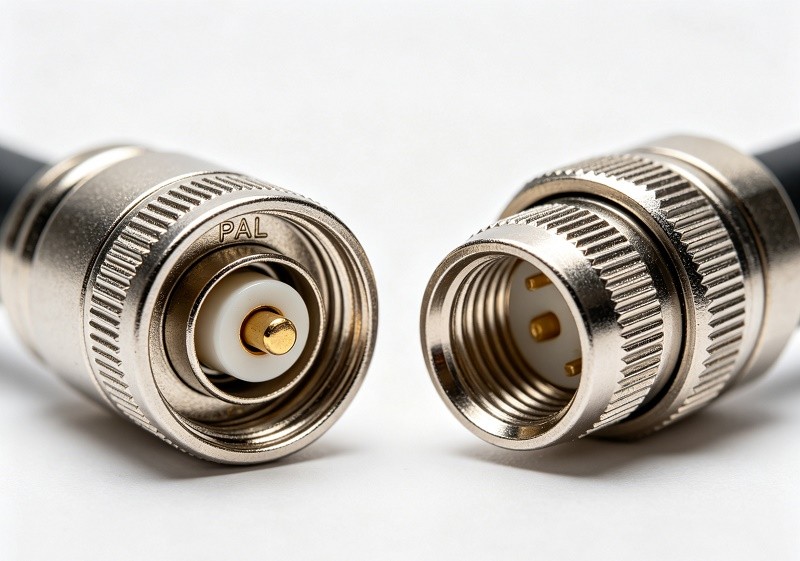
What is a PAL Connector?
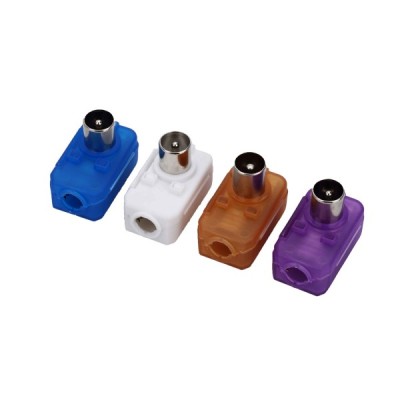
The PAL (Phase Alternating Line) connector, also known as a Belling-Lee or IEC connector, is a classic radio frequency (RF) connector used for terrestrial television since the earliest days of broadcasting. It features a simple push-fit design, making it incredibly easy to use. The male plug has a central pin, and the female socket provides a friction-fit connection. You'll commonly find this type of connection on the back of televisions and on wall plates in regions like Europe, Australia, and parts of Asia.
What is an F-Type Connector?
The F-Type connector is the standard for most modern coaxial cable applications, especially in North America. Unlike the PAL connector's push-in design, the F-Type features a threaded, screw-on mechanism. This creates a much more secure and robust connection, which is crucial for minimizing signal loss and preventing accidental disconnection. Its superior mechanical and electrical integrity has made it the connector of choice for satellite TV, cable modems, and modern antenna installations.
Bridging the Gap: The PAL Male to F-Type Cable
So, why would you need a cable with two different ends? This hybrid cable is a problem-solver, designed to connect devices with mismatched ports. A common scenario is connecting a modern TV antenna or signal booster, which often uses a secure F-Type output, to a television or wall outlet that has a traditional PAL female input. This single cable eliminates the need for clumsy adapters, providing a cleaner and more reliable signal path.
Connector Showdown: PAL vs. F-Type
Understanding the fundamental differences between these two connectors helps in choosing the right equipment for your needs. While both are designed to transmit a 75Ω signal, their design philosophies are distinct.
| Feature | PAL Connector (Belling-Lee) | F-Type Connector |
|---|---|---|
| Connection Type | Push-fit (friction) | Screw-on (threaded) |
| Security | Less secure, can be pulled out easily | Highly secure, vibration resistant |
| Common Use | TV sets, wall plates (Europe/AU) | Satellite/Cable boxes, Antennas, Modems (N. America) |
| Signal Integrity | Prone to minor signal loss if loose | Excellent signal integrity due to tight fit |
| Installation | Very fast and simple | Takes slightly longer to screw on |
Why Cable Shielding is Non-Negotiable
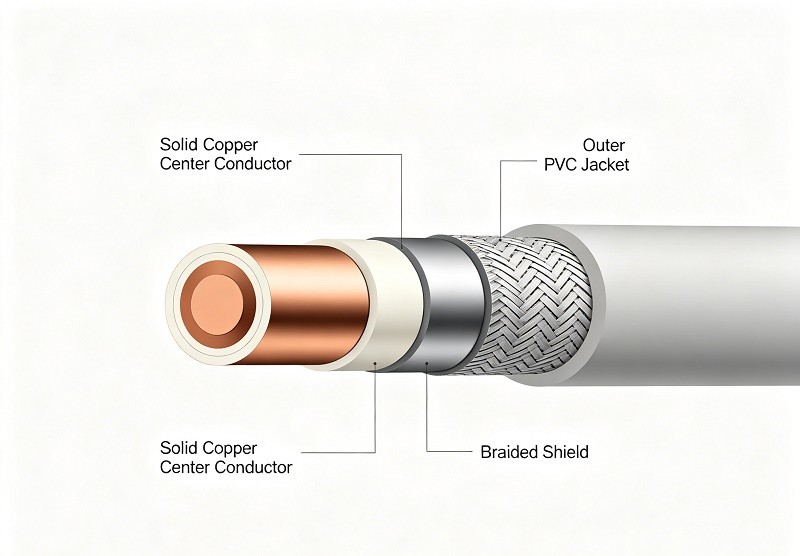
The job of a coaxial cable is to carry a signal from your antenna to your TV without picking up interference along the way. Electromagnetic interference (EMI) and radio frequency interference (RFI) from devices like Wi-Fi routers, mobile phones, and even kitchen appliances can corrupt your TV signal. This is where shielding comes in. A quality cable, like a quad-shield RG6, has multiple layers (typically foil and braided mesh) that create a protective barrier, ensuring the signal remains pure from end to end.
The Gleam of Gold: Do Gold-Plated Connectors Matter?
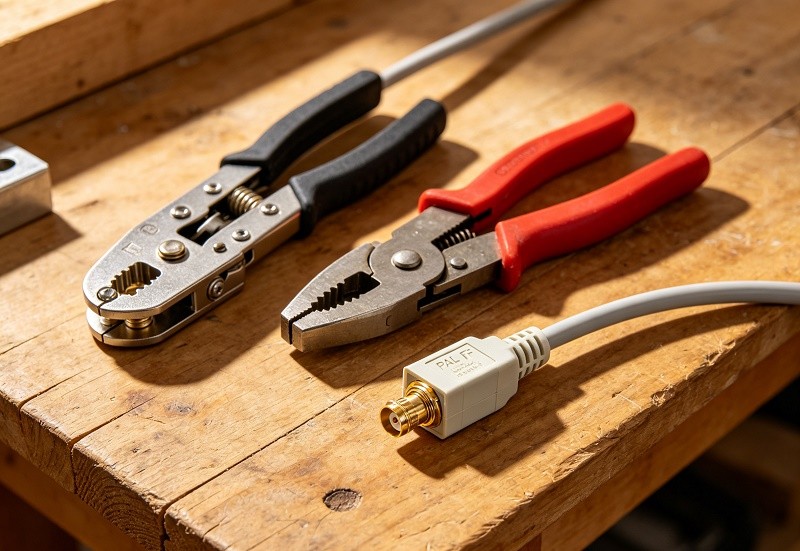
You'll often see premium cables advertising gold-plated connectors. This isn't just for looks; it serves a vital purpose. Gold is highly resistant to oxidation and corrosion. Unlike other metals that can tarnish over time when exposed to air and moisture, gold maintains a clean, conductive surface. This ensures a reliable, low-resistance connection for the long term, preventing signal degradation that can occur from a corroded connector. It's a key feature for maintaining signal integrity, especially in humid environments.
Inside the Wire: The Importance of Oxygen-Free Copper (OFC)
Copper is the standard conductor in electrical wires due to its excellent conductivity. However, standard copper contains oxygen and other impurities that can slightly impede the flow of electrons. Oxygen-Free Copper (OFC) is refined in a special process to reduce the oxygen content to less than 0.001%. While the increase in raw conductivity is minor, the real benefit of OFC is its improved durability and resistance to corrosion over time. Cables made with OFC are generally of higher manufacturing quality, leading to a more reliable and longer-lasting product that maintains its performance.
How to Choose the Right PAL to F-Type Cable
When shopping for your cable, keep these key factors in mind:
- Length: Choose a cable that is long enough to reach from your source to your TV without being stretched, but avoid excessive length, as longer runs can lead to slight signal loss.
- Shielding: Always opt for a well-shielded cable. Quad-shield RG6 is the gold standard for rejecting interference.
- Build Quality: Look for cables with sturdy, metal-bodied plugs and molded strain relief where the cable meets the connector. This prevents damage from bending and pulling.
- Materials: Prioritize cables with gold-plated connectors and OFC conductors for the best long-term performance and reliability.
A Simple Step-by-Step Installation Guide
Connecting your equipment is straightforward:
- Identify Your Ports: Locate the F-Type female port on your antenna, splitter, or amplifier. This is a threaded external post.
- Connect the F-Type End: Carefully screw the F-Type male connector from your cable onto the F-Type female port. Tighten it by hand until it is snug. Do not overtighten with tools.
- Identify the PAL Port: Locate the PAL female port on your television or wall socket. This is a smooth, circular input.
- Connect the PAL End: Simply and firmly push the PAL male plug from your cable into the PAL female port.
- Scan for Channels: Power on your television and run a channel scan from the settings menu. This allows your TV to find all available over-the-air channels through your newly connected antenna.
Troubleshooting Common Signal Problems
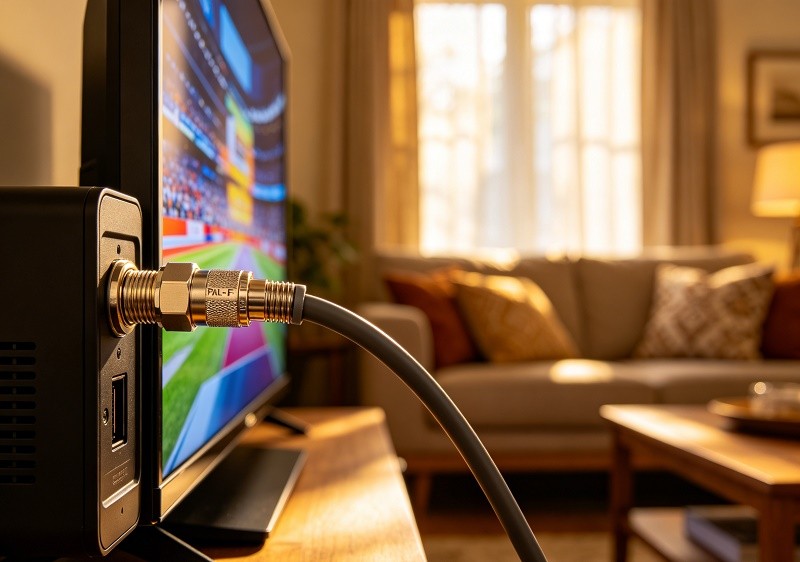
If you're still experiencing pixelation or signal loss after connecting your new cable, consider these tips:
- Check Connections: Ensure both the PAL and F-Type ends are securely seated.
- Antenna Positioning: The position of your antenna is the single most important factor for good reception. Try moving it higher up or closer to a window. Perform a channel rescan each time you move it.
- Cable Damage: Inspect the cable for any sharp kinks, cuts, or damage that could be compromising the shielding.
- Signal Amplification: If you are far from broadcast towers, you may need a signal amplifier (or 'booster') to strengthen the signal before it reaches your TV. Many amplifiers use F-Type connections.
By investing in a quality PAL Male to F-Type cable and ensuring your setup is correct, you can enjoy the full, uncompressed HD quality of over-the-air television without the frustration of a weak signal.