The Green Revolution in CNC Machining: Crafting Sustainable Metal Parts for a Better Future
Introduction: The Imperative for Sustainable CNC Machining
In modern manufacturing, precision and efficiency are paramount. However, a new priority is rapidly reshaping the industry: sustainability. CNC (Computer Numerical Control) machining, a cornerstone technology for producing high-precision metal parts, is undergoing a green transformation. As companies and consumers alike demand more environmental responsibility, the focus is shifting towards practices that reduce waste, conserve energy, and minimize ecological impact. This shift isn't just an ethical obligation; it's a strategic business advantage that enhances brand reputation, reduces operational costs, and ensures long-term competitiveness in a rapidly evolving global market. The journey towards green manufacturing involves a holistic reevaluation of every aspect of the CNC process, from initial design to final part production.
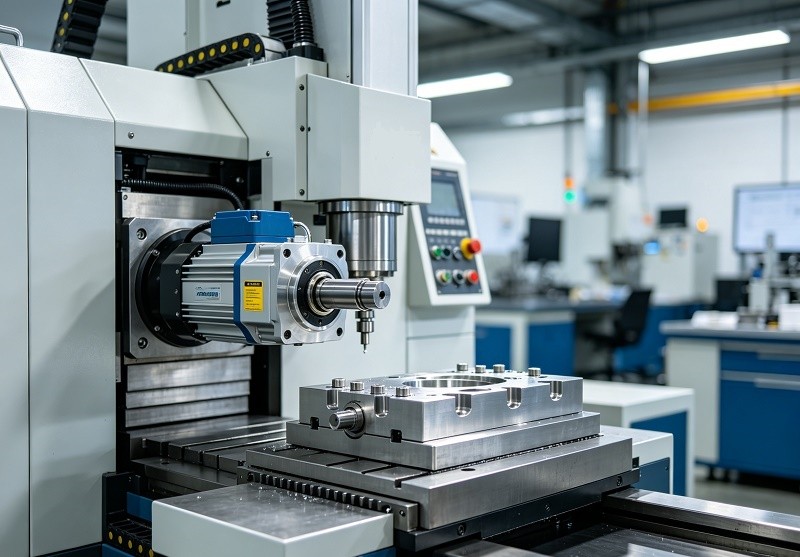
Upgrading to Energy-Efficient CNC Machines
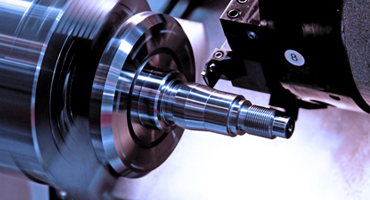
Traditional CNC machines are significant energy consumers, with motors, coolants, and control systems drawing substantial power. Modern, energy-efficient machines are a primary driver of sustainability. These advanced systems are equipped with features like servo motors that adjust power consumption based on real-time load, and intelligent standby modes that automatically power down non-essential components during idle periods. Upgrading to this new generation of equipment can reduce electricity consumption by up to 30%, directly lowering operational costs and a workshop's carbon footprint without compromising on the precision or speed required for complex metal parts.
The Role of Advanced Software in Waste Minimization
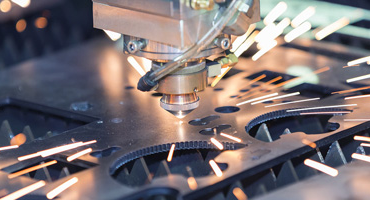
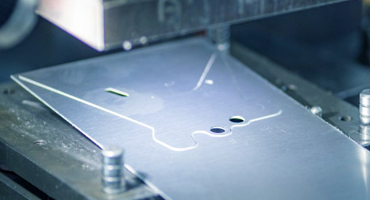
Software is the brain behind the brawn of CNC machining. Advanced Computer-Aided Manufacturing (CAM) and simulation software play a crucial role in waste reduction. Before a single piece of metal is cut, programmers can simulate the entire machining process. This allows for the optimization of toolpaths to remove material more efficiently, reducing cycle times and energy use. Furthermore, nesting software intelligently arranges multiple parts on a single sheet of metal, much like a puzzle, to maximize material utilization and dramatically reduce scrap. This digital-first approach prevents costly errors and material waste before they happen.
Smart Toolpath Strategies for Metal Parts
The way a cutting tool moves through a metal workpiece has a massive impact on efficiency and waste. Instead of simply aiming for the fastest route, modern toolpath strategies focus on being smarter. Techniques like high-speed machining (HSM) use lighter, faster cuts that reduce the stress on the tool and the machine, extending tool life and consuming less energy. Adaptive clearing strategies automatically adjust the cutting parameters based on the geometry of the part, ensuring a consistent load on the tool and preventing breakage. These intelligent toolpaths not only save energy but also improve the surface finish and accuracy of the final metal part.
Near-Net-Shape Machining: Starting Closer to the Finish Line
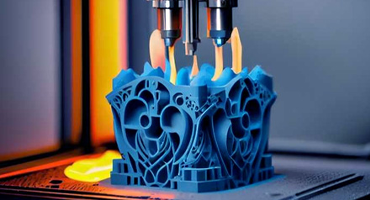
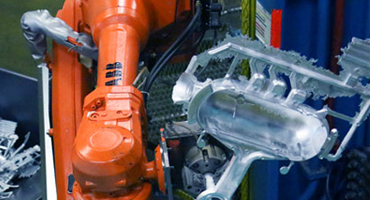
A highly effective strategy for reducing waste is near-net-shape manufacturing. This involves starting with a workpiece that is already very close to the final part's geometry. Techniques like forging, casting, or metal 3D printing (additive manufacturing) can create a preliminary part that requires significantly less material to be machined away. By minimizing the amount of subtractive work needed, near-net-shape machining drastically cuts down on material waste (swarf), shortens cycle times, and reduces the energy required for the final finishing touches.
Material Recycling and the Circular Economy in Metal Machining
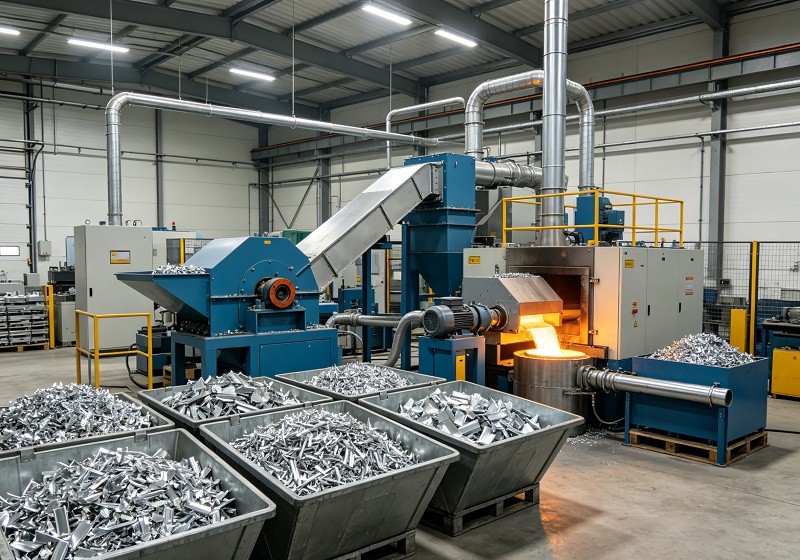
No matter how optimized the process, some waste is inevitable. The key is to manage it responsibly. Leading CNC shops are closing the loop by implementing robust recycling programs. Metal chips and swarf, which were once discarded, are now collected, segregated by material type (e.g., aluminum, steel, titanium), and sent for recycling. This scrap is melted down and reintroduced into the supply chain, reducing the demand for virgin raw materials and the significant energy expenditure associated with mining and refining them. This practice is a cornerstone of the circular economy, turning waste into a valuable resource.
Eco-Friendly Coolants and Lubricants
Cutting fluids are essential for cooling the workpiece, lubricating the tool, and flushing away chips. However, traditional petroleum-based coolants can be hazardous to a person's health and difficult to dispose of. The industry is moving towards sustainable alternatives, such as biodegradable, plant-based oils and synthetic fluids that are free from harmful chemicals. In some cases, techniques like Minimum Quantity Lubrication (MQL) or even dry machining (where no coolant is used) are viable. These methods not only reduce environmental contamination but also create a safer work environment and simplify waste management.
The Benefits of Lean Manufacturing Principles
Lean manufacturing is a philosophy focused on maximizing value by eliminating waste. When applied to CNC machining, it has a profound impact on sustainability. Principles like producing parts only in response to demand (Just-In-Time manufacturing) prevent overproduction and the waste of materials and energy. Continuous improvement (Kaizen) encourages teams to constantly evaluate and refine their processes to become more efficient. By organizing the workspace for optimal flow and minimizing machine idle time, lean principles create a culture of resourcefulness that directly supports green manufacturing goals.
Integrating Renewable Energy Sources
To achieve true sustainability, machine shops must look beyond the machine itself and consider the source of their power. Progressive manufacturing facilities are investing in renewable energy to power their operations. Installing solar panels on the roof or sourcing energy from wind farms allows a shop to significantly reduce its reliance on the grid and its associated carbon emissions. This move not only benefits the environment but can also lead to long-term energy cost savings and greater energy independence, shielding the business from fluctuating electricity prices.
The Business Case: How Sustainability Drives Profitability
Adopting sustainable practices is not a cost center; it is a driver of profitability and a competitive advantage. The table below illustrates the direct financial and strategic benefits of green CNC machining.
| Sustainable Practice | Economic & Strategic Benefit |
|---|---|
| Energy-Efficient Machines | Reduced utility bills, lower operational overhead. |
| Waste Reduction (Software) | Lower raw material purchasing costs, increased material yield. |
| Material Recycling | Revenue generation from scrap sales, reduced disposal fees. |
| Eco-Friendly Coolants | Lower disposal costs, improved workplace safety, reduced regulatory risk. |
| Enhanced Reputation | Attracts environmentally conscious customers and talent, strengthens brand loyalty. |
| Regulatory Compliance | Future-proofs the business against stricter environmental laws (e.g., ISO 14001 certification). |
Conclusion: Machining a Greener Tomorrow
The future of CNC machining for metal parts is inextricably linked with sustainability. The technologies and strategies to make manufacturing greener are no longer niche concepts—they are practical, proven, and profitable. By embracing energy-efficient machinery, optimizing processes with advanced software, championing a circular approach to materials, and adopting lean principles, CNC businesses can lead the charge towards a more responsible industrial future. This green revolution is not just about protecting the planet; it's about building resilient, efficient, and forward-thinking businesses that are poised for long-term success.