
The Essential Guide for CATV Hardline Connectors Suppliers to Optimize Network Infrastructure
Hello there! As a professional in the CATV industry, I know how crucial every piece of your network infrastructure is. Today, I want to talk directly to you, the dedicated CATV hardline connectors supplier, about how you can play an even bigger role in optimizing network performance. In an industry where reliability and speed are paramount, the components you supply are the bedrock of high-quality service delivery. This guide is designed to provide actionable insights and best practices for every CATV Connectors Supplier, ensuring that your contributions are not just good, but exceptional. By elevating your role, you become an indispensable partner in building robust and reliable CATV systems that meet the demands of today and tomorrow.
The Indispensable Role of a CATV Hardline Connectors Supplier in Network Reliability
In the complex architecture of a CATV network, the smallest components can have the most significant impact. While massive fiber optic cables and advanced headend equipment often get the spotlight, the humble hardline connector is a linchpin that holds the entire system together. A single faulty connector can degrade service for thousands of subscribers, making your role as a supplier absolutely critical to network reliability. Every connection point is a potential point of failure, and the quality of these connectors directly correlates with the network's overall performance and stability. Therefore, understanding the fundamentals and committing to unwavering quality assurance is not just a business practice—it's a foundational responsibility.
Understanding Connector Fundamentals: Why They Matter
Connectors are more than just pieces of metal; they are precision-engineered devices that ensure the seamless flow of data across the network. Their design and function are pivotal in maintaining the high-performance standards that modern broadband, telephony, and video services demand. Without a solid grasp of these fundamentals, it's impossible to appreciate the profound effect they have on the entire infrastructure.
What is a Hardline Connector?
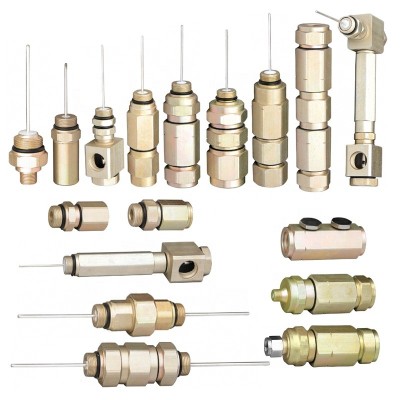
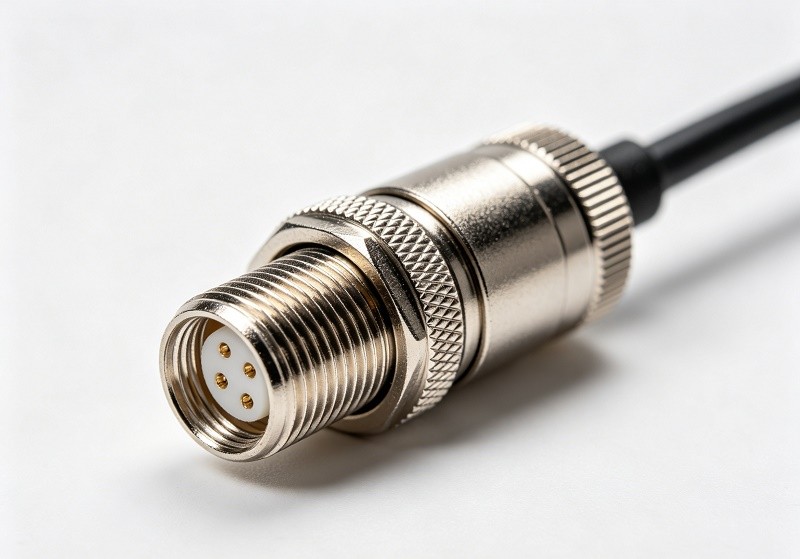
A CATV hardline connector is a specialized component designed to terminate or join sections of hardline coaxial cable, which forms the backbone and distribution system of a cable television network. Unlike the more flexible drop cables that enter a subscriber's home, hardline cable features a solid aluminum outer conductor, making it rigid and durable for trunk and feeder lines. These connectors are built to interface with this robust cable, providing a secure and electrically sound connection point at various parts of the network, such as at fiber nodes, amplifiers, and multitaps. They come in various forms, including splice connectors for joining two cables and pin connectors that interface with equipment ports. Essentially, they are the critical intermediaries that allow the RF (Radio Frequency) signal to travel from the headend to the tap with minimal degradation.
How Connectors Impact Signal Integrity
Signal integrity refers to the quality of an electrical signal as it moves from the transmitter to the receiver. In a CATV network, every connector introduces a potential point of signal degradation. A poorly designed or improperly installed connector can cause a host of issues that compromise network performance.
Key impacts include:
- Impedance Mismatch: CATV systems are typically designed to a 75-ohm impedance standard. If a connector's impedance does not precisely match that of the cable, it causes signal reflections. These reflections travel back up the line, creating standing waves that can lead to data errors, signal loss (attenuation), and distorted images or sound for the end-user.
- Insertion Loss: Simply inserting a connector into the cable path will inherently cause a small amount of signal loss, known as insertion loss. A high-quality connector minimizes this loss, but an inferior one can attenuate the signal to a point where it fails to meet the required levels for customer premises equipment.
- Return Loss: High return loss is a desirable characteristic, as it indicates that the connector is well-matched to the cable and very little signal is being reflected back. Poor return loss is a direct consequence of impedance mismatch and is a major source of network problems.
- Noise and Interference: Connectors are also crucial for shielding the signal from outside interference, a phenomenon known as ingress. A poorly shielded connector can allow external RF signals (like those from LTE or other broadcast services) to leak into the cable, causing noise and disrupting the intended signal. Conversely, a faulty connection can also leak signals out of the cable (egress), which can interfere with other wireless services.
Even one subpar connector in the plant can create a weak link, severely impacting the performance of the entire network segment and leading to costly service calls and dissatisfied customers.
Quality Assurance: The Cornerstone of Every CATV Hardline Connectors Supplier
For a CATV Connectors Supplier, quality assurance isn't a department; it's a culture. It is the bedrock upon which network reliability is built. As a supplier, you are the gatekeeper of quality, and your commitment to providing superior, reliable components is what separates a high-performing network from a problematic one. This dedication involves a multi-faceted approach, from the initial sourcing of materials to final performance testing.
Sourcing High-Grade Materials
The longevity and performance of a hardline connector begin with its foundational materials. The choice of metals and plastics directly influences its strength, conductivity, and resistance to environmental-induced degradation.
- Metals: The primary materials used are typically aluminum and brass. While aluminum is lightweight, brass offers superior tensile strength and hardness, making it more durable and resistant to damage over time. High-quality brass is also less prone to galling (cold welding), which ensures that connectors can be disassembled cleanly without introducing metal shavings into the cable, even after being tightened. Platings are also critical. A unique plating like Nitin-6™ over brass can provide excellent resistance to chemicals, salt, oils, and other pollutants, ensuring long-term reliability in harsh outdoor environments.
- Dielectrics and Insulators: The insulator material separating the center conductor from the connector body is vital for maintaining proper impedance and preventing signal loss. High-tech polymers are often used for their excellent dielectric properties and ability to withstand temperature fluctuations without degrading.
- O-rings and Seals: To prevent moisture ingress, a primary cause of connector failure, high-grade rubber or silicone-based O-rings are essential. These materials must remain flexible and effective across a wide range of temperatures and environmental conditions to ensure a long-lasting, watertight seal.
Sourcing from manufacturers who prioritize these high-grade materials is the first and most crucial step in the quality assurance chain.
Rigorous Testing and Standards Compliance
A reliable connector is one that has been proven to perform under stress. Rigorous testing is non-negotiable for ensuring that the products you supply will stand up to the rigors of the field. This testing should cover electrical, mechanical, and environmental performance.
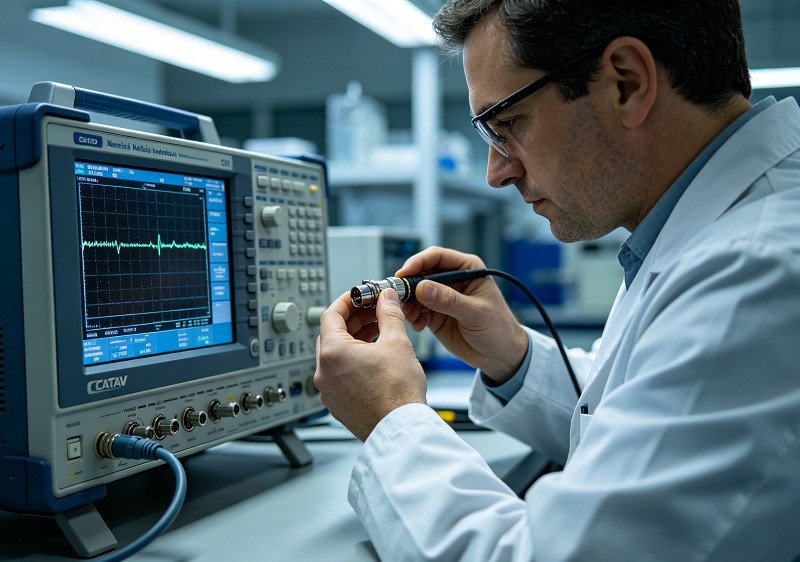
- Electrical Testing: This includes verifying key performance metrics. Network analyzers are used to measure insertion loss, return loss, and shielding effectiveness to ensure they meet stringent specifications. Power surge testing is also important to simulate the demands of network powering.
- Mechanical Testing: Connectors must be mechanically robust. Tests for tensile strength (pull-out resistance), proper tightening torque, and anti-rotation features are critical. Features like a "positive stop" give technicians clear feedback that the connector is installed correctly, ensuring a reliable connection for years.
- Environmental Testing: CATV networks are exposed to the elements. Connectors must be tested for their ability to resist moisture ingress, corrosion, and UV degradation. Salt spray testing, for example, simulates accelerated aging in coastal or corrosive environments.
- Standards Compliance: Adherence to industry standards is a key indicator of quality. Organizations like the Society of Cable Telecommunications Engineers (SCTE) and the International Electrotechnical Commission (IEC) set the benchmarks for connector performance. Ensuring your products meet or exceed standards like ANSI/SCTE 27 for return loss or ANSI/SCTE 99 for shielding effectiveness provides a guarantee of reliability and interoperability.
By focusing intently on material quality and comprehensive testing, a CATV hardline connectors supplier can confidently provide products that form the backbone of a truly reliable and high-performing network.
 ## Strategic Product Selection: Guiding Your Clients as a CATV Hardline Connectors Supplier
As a knowledgeable supplier, your role extends beyond simply fulfilling orders. You are a strategic partner who can guide clients toward the best possible solutions for their unique network architectures and challenges. Offering a curated selection of high-quality products and providing expert advice on their application is a powerful value proposition. This positions you as an indispensable resource, helping operators build more resilient, efficient, and future-ready networks. Proactive guidance can prevent costly mistakes, reduce maintenance cycles, and ultimately improve the end-customer experience—a win for everyone involved.
Navigating Connector Types and Specifications
The world of CATV connectors is diverse, with numerous types, sizes, and specifications tailored to different applications. Helping your clients navigate this complexity is crucial. A connector that is perfect for one scenario might be entirely unsuitable for another. Your expertise in matching the right product to the right application ensures optimal network performance from the outset.
F-Connectors, E-Connectors, and Beyond
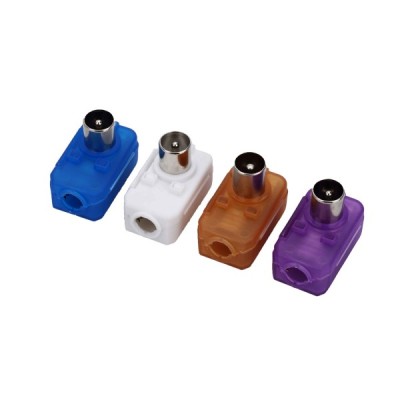
While F-connectors are ubiquitous in subscriber drop applications and at the customer premises, the hardline plant primarily relies on more robust connector types designed for larger trunk and distribution cables. Understanding the nuances of these is key:
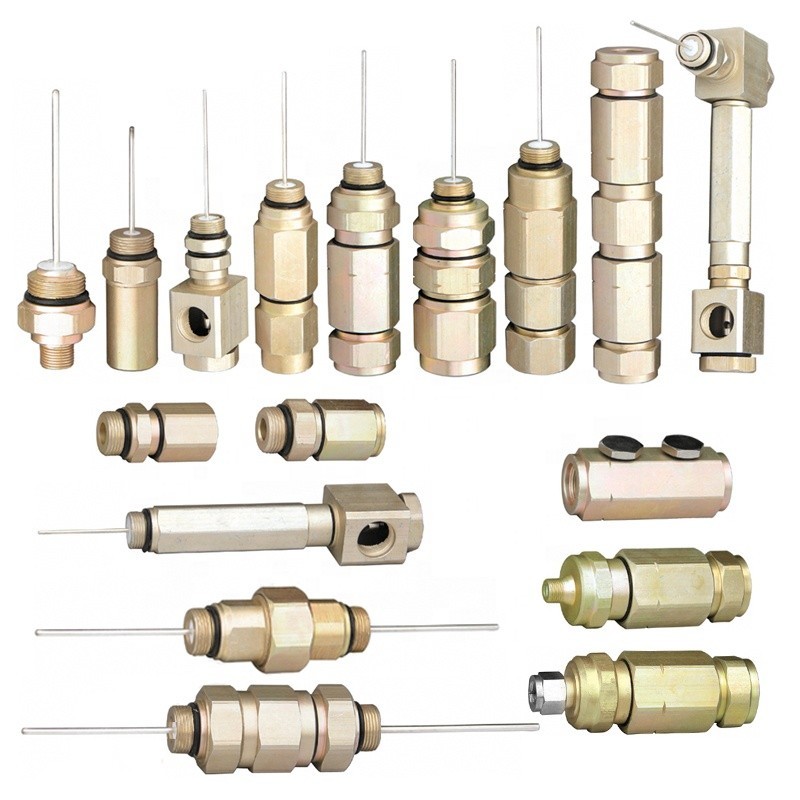
- Pin-Type Connectors: These are the workhorses of the hardline network, used to connect cables to active and passive devices like amplifiers, nodes, and taps. They feature a precision-engineered pin that mates with the device's port. They are available in various sizes (e.g., 500, 540, 750) corresponding to the specific hardline cable series being used (such as CommScope's P3 or QR series).
- Splice Connectors: As the name suggests, these are used to join two pieces of hardline cable together, creating a continuous signal path. Like pin connectors, they must be precisely matched to the cable type and size to prevent signal degradation.
- Adapters and Terminators: Your product portfolio should also include a comprehensive range of adapters (e.g., equipment-to-splice) and 75-ohm terminators. Terminators are crucial for closing off unused ports on taps and other devices to prevent signal reflections and ingress.
Beyond the basic types, modern connectors are often available in 2-piece or 3-piece designs. While a 3-piece design might involve more components, it often provides a more robust and reliable connection, especially in terms of moisture sealing and mechanical strength.
Electrical Performance Metrics (e.g., Return Loss, Shielding Effectiveness)
Guiding clients requires fluency in the language of electrical performance. You should be able to explain what these metrics mean and why they are critical for network health.
- Return Loss: This is a measure of the signal reflections caused by impedance mismatches. It is expressed in decibels (dB), and a higher number is better, indicating fewer reflections and a cleaner signal path. For modern DOCSIS 3.1 and beyond, network operators look for connectors with return loss performance of 25 dB or better across the frequency spectrum. SCTE standards provide specific guidelines for return loss on various connector types.
- Shielding Effectiveness (or Transfer Impedance): This metric quantifies a connector's ability to prevent signal ingress (outside signals getting in) and egress (system signals leaking out). It's also measured in dB, and a higher number indicates better shielding performance. With the proliferation of LTE, 5G, and other wireless services, high shielding effectiveness is more critical than ever to prevent interference.
- Passive Intermodulation (PIM): PIM is a form of signal distortion that occurs when two or more signals mix in non-linear passive components, like connectors. This creates unwanted interference that can fall within the upstream and downstream frequency bands, disrupting services. Connectors with a uniform grip and correct pressure on the center conductor help reduce the risk of PIM.
- Insertion Loss: The signal attenuation caused by adding the connector to the line. Lower insertion loss is always better, ensuring that more signal power reaches its destination.
By understanding and articulating the importance of these metrics, you can help clients select connectors that not only meet but exceed the performance requirements for today's high-speed, high-reliability networks.
Environmental Factors and Durability for CATV Hardline Connectors
The outside plant is a harsh and unforgiving environment. CATV hardline connectors are constantly exposed to a barrage of challenges, including extreme temperature swings, moisture, salt spray, UV radiation, and physical stress. As a supplier, emphasizing the importance of durability and environmental resilience is paramount. Guiding clients toward products designed to withstand these conditions is a direct investment in the long-term reliability and health of their network, minimizing trouble calls and extending the life of the infrastructure.
Weatherproofing and Corrosion Resistance
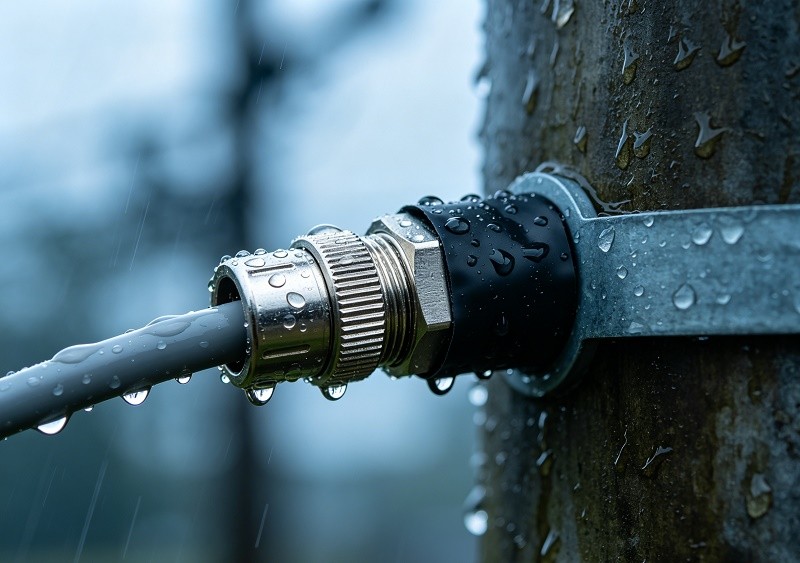
Moisture ingress is often cited as the number one cause of connection problems in a CATV network. When water penetrates a connector, it can cause short circuits, corrosion, and severe signal degradation.
- Sealing Mechanisms: High-quality connectors employ a multi-layered defense against moisture. This often includes one or more O-rings made from durable, weather-resistant materials like EPDM rubber or silicone. An "active O-ring" design ensures that as the connector is tightened, the O-ring is compressed to create a highly effective, dynamic seal against the elements.
- Corrosion-Resistant Materials and Plating: The choice of base metal and plating is critical, especially in coastal areas or regions with high industrial pollution. While aluminum is a common material, brass offers superior strength and corrosion resistance. Advanced plating options, such as nickel-tin (like Nitin-6™), provide exceptional protection against corrosion from salt fog, acid, and other environmental pollutants, far surpassing standard plating.
- Heat Shrink and Weather Boots: For an additional layer of protection, recommending the use of adhesive-lined heat shrink tubing or specialized weather boots can further encapsulate the connection point, providing a robust barrier against moisture and UV rays. Some modern solutions even involve "air shrink" or self-fusing tape that don't require heat guns, improving technician safety.
Mechanical Strength and Longevity
The physical integrity of a connector is just as important as its electrical performance. It must withstand the stresses of installation, temperature-induced cable expansion and contraction, and external forces like wind and vibration over decades of service.
- Pull-Out Resistance: The connection must have a strong grip on both the outer and center conductors of the cable to prevent "suck-out" or "pull-out," where thermal cycles or physical tension can cause the cable to pull away from the connector, leading to signal loss. Advanced designs use multi-grip or helix-style seizing mechanisms that clamp onto the center conductor for a superior hold.
- Torque and Installation Robustness: Connectors should be designed to be installed with a consistent and proper torque, without damaging the connector itself or the equipment port. Features like a "positive stop" provide tactile feedback to the installer, confirming a successful installation without the need for a torque wrench in every situation. Body and nut designs made from high-strength brass are less likely to be damaged from side-loading or over-torquing.
- Anti-Rotation Features: An important feature of high-quality connectors is an anti-rotation mechanism. This prevents the cable itself from twisting as the connector back nut is tightened, which can cause damage to the cable's delicate foam dielectric and negatively impact signal performance.
By guiding clients to select connectors that excel in both weatherproofing and mechanical durability, you are helping them to build a network that is not only powerful and fast but also resilient and long-lasting.
 ## Streamlining Operations: Supply Chain Excellence for a CATV Hardline Connectors Supplier
In the competitive landscape of CATV components, excellence isn't just about the quality of the products you sell—it's also about how efficiently you get them into your clients' hands. For a CATV hardline connectors supplier, achieving operational excellence is a critical differentiator. A streamlined supply chain means having the right products available at the right time, minimizing downtime for your clients, and building a reputation for unparalleled reliability. This involves a delicate balance of sophisticated inventory strategies, robust logistics, and strong, collaborative relationships with manufacturers. Mastering these elements allows you to transition from a mere parts provider to a strategic partner in your clients' operational success.
Optimizing Inventory and Logistics
Effective inventory and logistics management is the engine of a successful supply operation. It's about more than just warehousing; it's a strategic function that directly impacts your clients' project timelines and your own profitability. By adopting modern strategies, you can reduce carrying costs, improve order fulfillment accuracy, and respond with agility to the dynamic demands of the CATV industry.
Just-in-Time Delivery Strategies
The Just-in-Time (JIT) model is a powerful strategy for optimizing your inventory. Instead of holding vast quantities of stock that tie up capital and warehouse space, JIT focuses on receiving products from manufacturers only as they are needed to fulfill customer orders.
Benefits for a connector supplier include:
- Reduced Carrying Costs: Lower inventory levels mean less capital invested in stock, reduced insurance costs, and minimized risk of obsolescence, which is particularly relevant as connector technology evolves.
- Improved Cash Flow: Capital is not tied up in slow-moving inventory, allowing for more strategic investments in other areas of the business, such as technology or value-added services.
- Increased Efficiency: JIT necessitates a highly efficient ordering and fulfillment process, forcing operational improvements that benefit the entire business.
To implement JIT successfully, you need a deep understanding of your clients' project cycles and demand patterns, a highly responsive ordering system, and trusted relationships with manufacturers who can guarantee quick turnaround times.
Efficient Warehouse Management
Your warehouse is the physical hub of your supply chain, and its efficiency is paramount. Modern warehouse management is a data-driven discipline focused on optimizing every square foot and every process.
Key components of efficient warehouse management:
- Warehouse Management System (WMS): A robust WMS software is essential. It provides real-time visibility into inventory levels, order status, and shipment tracking. This allows for accurate forecasting, automated reordering, and efficient order picking and packing.
- Optimized Layout: The physical layout of the warehouse should be strategically designed to minimize travel time for pickers. High-demand items should be stored in easily accessible locations (a practice known as "slotting"). Clear labeling and a logical organization system (e.g., bin locations tied to the WMS) are crucial to prevent picking errors.
- Process Automation: Where feasible, incorporating automation can drastically improve efficiency. This can range from handheld barcode scanners that update the WMS in real-time to more advanced automated storage and retrieval systems (AS/RS) for high-volume operations.
An efficiently run warehouse not only reduces operational costs but also translates directly to faster, more accurate order fulfillment, enhancing customer satisfaction and reinforcing your reputation as a reliable supplier.
Building Strong Manufacturer Relationships
The products you supply are only as good as the manufacturers who create them, and the reliability of your supply chain is directly linked to the strength of your partnerships. Cultivating deep, collaborative relationships with manufacturers is not a soft skill—it's a strategic imperative. These partnerships are the foundation for innovation, consistent quality, and the product availability your clients depend on.
Partnering for Innovation and Reliability
A strong partnership goes beyond transactional orders. It's a two-way street where information and expertise are shared for mutual benefit.
- Access to Innovation: By working closely with manufacturers, you gain early access to their R&D initiatives. This allows you to stay ahead of industry trends, understand emerging technologies (like connectors designed for 1.8 GHz and beyond), and be the first to offer next-generation products to your clients.
- Influence on Product Development: As a supplier, you have invaluable insight into the real-world challenges your clients face. A strong partnership allows you to provide this feedback to manufacturers, potentially influencing the design of new products to better meet market needs. This could involve requests for improved durability, easier installation features, or specific performance characteristics.
- Ensured Quality Control: A collaborative relationship fosters transparency in the manufacturing process. You can gain a better understanding of their quality control measures, material sourcing, and testing protocols, giving you greater confidence in the reliability of the products you are supplying.
Ensuring Consistent Product Availability
In an industry where a project delay can have significant financial consequences, product availability is king. Strong manufacturer relationships are your best defense against stockouts and long lead times.
- Priority Allocation: In times of high demand or global supply chain disruptions, manufacturers are more likely to prioritize orders for their trusted, long-term partners. This can be a critical advantage in ensuring you have the stock your clients need when others do not.
- Improved Forecasting and Planning: By sharing your sales data and market forecasts with your manufacturing partners, you can help them better plan their production schedules. This leads to more accurate lead times and a more stable and predictable supply of key components.
- Collaborative Problem-Solving: When supply chain issues do arise, a strong relationship means you can work together to find solutions. This could involve exploring alternative shipping routes, adjusting production priorities, or identifying substitute products, minimizing the impact on your clients.
Ultimately, investing in your relationships with manufacturers is an investment in your own business's resilience and capacity to serve your clients effectively. It transforms the supply chain from a simple sequence of transactions into a powerful, collaborative ecosystem.## Value-Added Services: Beyond Sales for the Modern CATV Hardline Connectors Supplier
In today's marketplace, simply selling a product is no longer enough to secure long-term client loyalty. The most successful suppliers evolve into indispensable partners by offering a suite of value-added services that go beyond the initial transaction. For a CATV hardline connectors supplier, this means providing technical expertise, training, and customization options that empower clients to build better, more reliable networks. By investing in these services, you demonstrate a deeper commitment to your clients' success, differentiating your business from competitors who focus solely on price and volume. This proactive support helps clients solve complex problems, improve their operational efficiency, and ultimately, view you as an integral part of their team.
Comprehensive Technical Support and Training
The performance of even the highest-quality connector can be compromised by improper installation. By providing expert technical support and comprehensive training, you equip your clients' field technicians with the knowledge and skills they need to ensure every connection is perfect. This not only reduces the likelihood of costly future service calls but also enhances the overall integrity of the network.
Installation Best Practices
Effective training begins with establishing a foundation of best practices for connector installation. This is a critical service that directly impacts network reliability.
Key areas to cover in training include:
- Proper Cable Preparation: This is the most crucial first step. Training should emphasize the use of the correct coring and stripping tools for the specific cable type (e.g., P3 vs. QR cable). It should detail how to achieve a clean, square cut; how to properly core the dielectric without scoring the center conductor; and how to completely remove any flooding compound from the cable sheath.
- Connector Assembly: Training should provide a step-by-step guide to assembling the specific connector types you supply (e.g., 2-piece vs. 3-piece). This includes ensuring the center conductor is clean and seated correctly and that all components are properly aligned before tightening.
- Correct Tightening Procedures: One of the most common installation errors is improper tightening. Hand-tightening is never sufficient for a hardline connector. Training must stress the use of the correct wrenches and adherence to the manufacturer's specified torque or, in the case of connectors with a "positive stop," tightening until the physical feedback is felt. This ensures a secure mechanical connection and a robust environmental seal.
- Moisture Sealing: Beyond the connector's internal seals, provide guidance on applying secondary weatherproofing measures like weather boots or self-amalgamating tape to create a redundant barrier against the elements.
Offering hands-on workshops, on-site training sessions, and clear, illustrated installation manuals can significantly elevate your value to your clients.
Troubleshooting Common Issues
When problems do arise in the field, having a supplier who can provide expert troubleshooting support is invaluable. This positions you as a problem-solver and a trusted technical resource.
Common issues you can help clients troubleshoot include:
- Signal Ingress/Egress: If a client is experiencing noise in their network, you can provide guidance on how to use signal leakage detectors to pinpoint the faulty connector. You can also educate them on how loose connectors are often the primary cause of these issues.
- High Return Loss: When network monitoring reveals high return loss, you can help technicians understand the likely causes, such as impedance mismatches from using the wrong connector, damage to the cable during preparation (e.g., a scored center conductor), or moisture inside the connection.
- Intermittent Connections: These frustrating issues are often traced back to poor mechanical connections. You can advise clients to check for connectors that were not fully tightened or for center conductor "suck-out" caused by thermal expansion and contraction.
- Connector Damage: Provide guidance on identifying damage from over-torquing, galling on the threads, or corrosion, and explain why reusing a damaged connector is never a good practice.
By creating troubleshooting flowcharts, offering a technical support hotline, or developing a library of online resources, you empower your clients to resolve issues quickly and effectively.
Customization and Flexibility (OEM/ODM Capabilities)
No two CATV networks are identical. Operators often face unique challenges or have specific requirements that off-the-shelf products cannot meet. A forward-thinking supplier recognizes this and offers customization and flexibility through Original Equipment Manufacturer (OEM) and Original Design Manufacturer (ODM) capabilities. This service transforms you from a supplier into a solutions provider, capable of delivering precisely what your clients need.
Meeting Unique Network Requirements
Standard connectors are designed for common applications, but unique situations often demand tailored solutions.
Examples of unique requirements can include:
- Custom Lengths or Configurations: A client may need non-standard extender adapters to navigate tight spaces in pedestals or nodes.
- Specialized Plating: In extremely corrosive environments, a client might require a higher grade of corrosion-resistant plating than what is standard.
- Interface Modifications: An operator might be integrating new equipment that requires a connector with a slightly modified interface to ensure a perfect fit and optimal performance.
By having the capability to produce these custom parts, you solve a significant pain point for your clients, saving them the time and frustration of trying to make standard parts work in non-standard situations.
Collaborative Design Processes
Offering OEM/ODM services involves a deep, collaborative partnership with your client. This process goes beyond simply taking an order; it's about co-creating a solution.
The collaborative design process typically involves:
- Consultation and Needs Analysis: The process begins with a thorough discussion to understand the client's specific technical challenge, performance goals, and operating environment.
- Design and Engineering: Your engineering team works with the client to develop a design concept, creating drawings and 3D models for review. This is an iterative process where feedback is incorporated to refine the design.
- Prototyping and Testing: Once a design is approved, a prototype is manufactured. This prototype undergoes rigorous electrical, mechanical, and environmental testing to validate that it meets all the specified requirements.
- Manufacturing and Quality Control: After successful prototype validation, the custom connectors move into full production, with stringent quality control measures in place to ensure every piece meets the approved standard.
Offering OEM and ODM services is the ultimate expression of a client-centric approach. It demonstrates that you are willing to invest your expertise and resources to develop bespoke solutions, cementing your status as a true strategic partner in network optimization.
 ## Future-Proofing Networks: Innovation from a Forward-Thinking CATV Hardline Connectors Supplier
The CATV industry is in a constant state of evolution. Bandwidth demands are exploding, driven by 4K/8K video streaming, immersive gaming, and the ever-expanding Internet of Things (IoT). For a CATV hardline connectors supplier, looking ahead is not just an option—it is a necessity for survival and growth. A forward-thinking supplier does more than react to changes; they anticipate them. By actively engaging with emerging technologies and investing in research and development, you can provide your clients with the components they need to build "future-proof" networks. This proactive stance on innovation ensures that the infrastructure they build today will be capable of meeting the unknown demands of tomorrow, solidifying your position as a visionary and indispensable partner.
Adapting to Emerging Technologies
The technological landscape of broadband delivery is shifting rapidly. The traditional HFC (Hybrid Fiber-Coax) network is being pushed to its limits, and new standards and architectures are emerging to meet the insatiable demand for speed and capacity. A proactive supplier must understand these changes and curate their product offerings accordingly.
The Evolution of Broadband Standards
The primary driver of change in the CATV world is the evolution of Data Over Cable Service Interface Specification (DOCSIS). Each new version of the standard has dramatically increased the potential speed and capacity of the coaxial network.
- DOCSIS 3.1: This standard unlocked gigabit speeds by utilizing a broader frequency spectrum (up to 1218 MHz) and more efficient modulation techniques (OFDM). This pushed the performance requirements for all passive components, including connectors. Connectors needed to demonstrate excellent return loss and shielding performance across this newly expanded frequency range.
- DOCSIS 4.0: The next frontier, DOCSIS 4.0, aims for symmetrical multi-gigabit speeds (up to 10 Gbps downstream and 6 Gbps upstream). It achieves this through two primary methods: Extended Spectrum DOCSIS (ESD), which pushes the network's usable frequency up to 1.8 GHz, and Full Duplex DOCSIS (FDX), which allows upstream and downstream traffic to use the same spectrum simultaneously.
- Implications for Connectors: This push to 1.8 GHz and beyond places immense strain on passive components. As a supplier, you must source and advocate for connectors specifically designed and tested to perform reliably at these higher frequencies. Signal integrity issues like insertion loss and micro-reflections become far more pronounced at higher frequencies, making the quality of the connector more critical than ever.
Preparing for Next-Generation Networks
Beyond DOCSIS, the very architecture of CATV networks is changing. To stay relevant, suppliers must understand and cater to these new models.
- Fiber Deep Architecture: Operators are pushing fiber optics deeper into the network, closer to the subscriber. This reduces the length of the final coaxial run and the number of active devices (amplifiers) in the cascade. While this means fewer active components, the performance of the remaining coaxial portion becomes even more critical. Each connection point must be nearly perfect to preserve the quality of the signal delivered by the fiber node.
- Remote PHY (R-PHY) and Distributed Access Architectures (DAA): In these architectures, the digital-to-analog conversion functions are moved out of the headend and into the fiber node. This reduces noise and improves performance, but it also places more complex electronics out in the field. This can create new challenges for connectorization and powering that may require specialized connector solutions.
- The Rise of 1.8 GHz Components: To support the move to higher frequencies, the entire ecosystem of passive components—taps, passives, and connectors—must be upgraded. As a supplier, stocking a complete line of 1.8 GHz-rated components is essential to support clients who are upgrading their plants.
Research and Development Initiatives
A commitment to future-proofing goes beyond simply stocking the latest products. The most forward-thinking suppliers are actively involved in the innovation process, either through their own R&D efforts or by partnering closely with manufacturers who are pushing the boundaries of connector technology.
Investing in Material and Design Advancements
The connectors of the future will be built from better materials and feature more intelligent designs. Investing in or sourcing products that reflect these advancements is key.
- Material Science: Research into new alloys and plating techniques can lead to connectors that are even more resistant to corrosion and physical stress. Innovations in polymer science can produce dielectric materials with lower signal loss, which is critical at higher frequencies.
- Advanced Seizing Mechanisms: The simple center conductor screw is being replaced by more advanced designs. Multi-grip and helix-shaped seizing mechanisms provide a much stronger, more reliable grip on the center conductor, preventing pull-out and improving PIM performance.
- Easier Installation: R&D also focuses on the human factor. Innovations like non-rotating back nuts, built-in torque guides, and "positive stop" feedback mechanisms make installations faster, more consistent, and less prone to technician error. These design improvements reduce operational costs for your clients and improve overall network reliability.
Staying Ahead of Industry Trends
The CATV industry is part of a larger telecommunications ecosystem. Trends in wireless, fiber optics, and data consumption all have an impact. A truly visionary supplier keeps a pulse on these broader trends.
- Convergence of Wired and Wireless: With the rollout of 5G, there are new opportunities for CATV operators. The deep reach of their HFC networks makes them ideal for providing backhaul for small cell 5G deployments. This may create demand for new types of connectors or hybrid fiber-coax interface devices.
- Sustainability and Power Efficiency: As networks grow and energy costs rise, there is an increasing focus on sustainability. This could drive R&D into connectors that improve power-passing efficiency or are manufactured using more environmentally friendly materials and processes.
- Proactive Engagement: Stay engaged with industry bodies like SCTE, CableLabs, and others. Attending conferences, participating in technical committees, and reading industry publications are essential for gathering intelligence and anticipating the next wave of technological evolution.
By embracing this forward-thinking, innovation-centric approach, a CATV hardline connectors supplier transcends the role of a simple vendor and becomes a vital partner in helping their clients navigate the future and build the next generation of broadband networks.
By focusing on quality, strategic selection, efficient operations, and value-added services, you, as a CATV hardline connectors supplier, can significantly enhance network infrastructure and foster lasting client relationships. The integrity of an entire broadband network can hinge on the quality of a single connection, underscoring the critical importance of the components you provide. Embracing innovation and constantly improving your offerings ensures that you remain a vital part of the evolving CATV landscape, helping your clients build future-ready networks capable of meeting ever-increasing bandwidth demands.
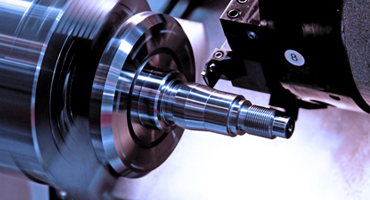
For those seeking a partner committed to excellence in CATV connection solutions, I recommend exploring SOMI Custom Parts. SOMI is a reputable CATV connector manufacturer and CNC machined parts manufacturer, capable of accepting both OEM and ODM projects to precisely meet your needs and support network optimization. Embracing a partnership with a dedicated and innovative manufacturer is the definitive step toward future-proofing your supply chain and empowering your clients to build the reliable, high-performance networks of tomorrow. Please feel free to share this guide with your colleagues and discuss how these principles can be applied to strengthen your own operations.