Revolutionizing Custom Car Parts: How 3D Printing is Driving the Future of Automotive Manufacturing
From Concept to Reality: The New Era of Custom Car Part Manufacturing
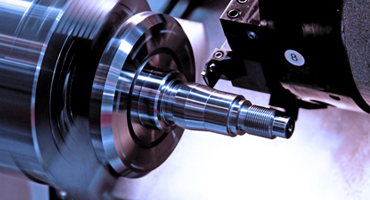
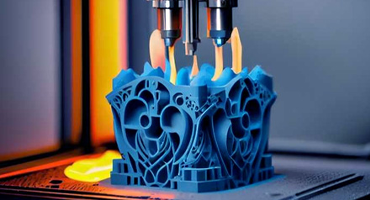
For decades, manufacturing custom car parts has been a delicate balance of artistry and heavy machinery. The process was often slow, expensive, and limited by the constraints of traditional methods like CNC machining or injection molding. But a technological shift is underway, and it's powered by additive manufacturing, more commonly known as 3D printing. This transformative technology is no longer just for creating small prototypes; it has become a strategic asset for custom car part manufacturers, enabling the creation of complex, high-performance, and bespoke components faster and more efficiently than ever before.
Unleashing Unprecedented Design Freedom
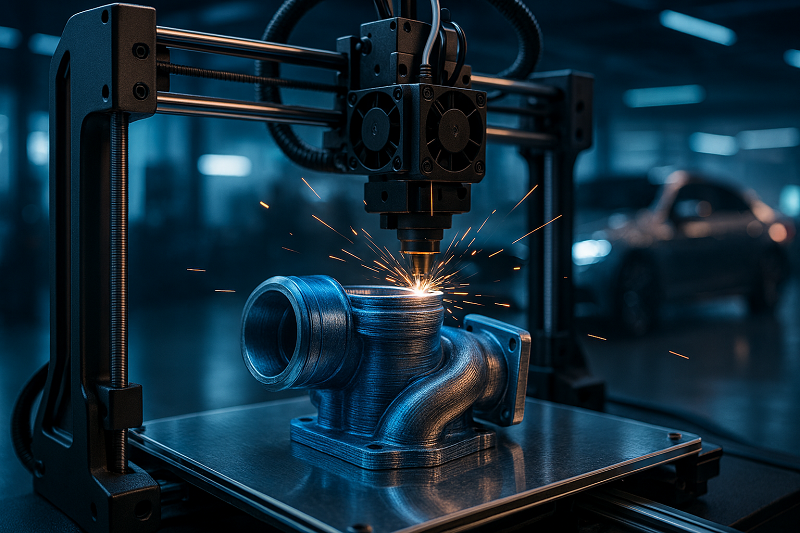
Traditional manufacturing techniques come with a rulebook. Angles, undercuts, and internal structures are often limited, forcing designers to compromise. Additive manufacturing throws that rulebook out the window. By building parts layer by layer from a digital file, 3D printing can produce incredibly intricate and complex geometries that would be impossible to create otherwise. This allows for the design of parts that are optimized for performance, with features like internal lattice structures to reduce weight without sacrificing strength.
The Power of Lightweighting for Peak Performance
In the automotive world, especially in motorsports and high-performance vehicles, weight is the enemy. Reducing a vehicle's mass improves fuel efficiency, acceleration, and handling. 3D printing is a key enabler of lightweighting. By using advanced materials like carbon fiber-reinforced polymers or topology-optimized metal designs, manufacturers can produce parts that are significantly lighter than their traditionally-made counterparts while maintaining or even increasing their strength and durability.
Rapid Prototyping: Accelerating the Innovation Cycle
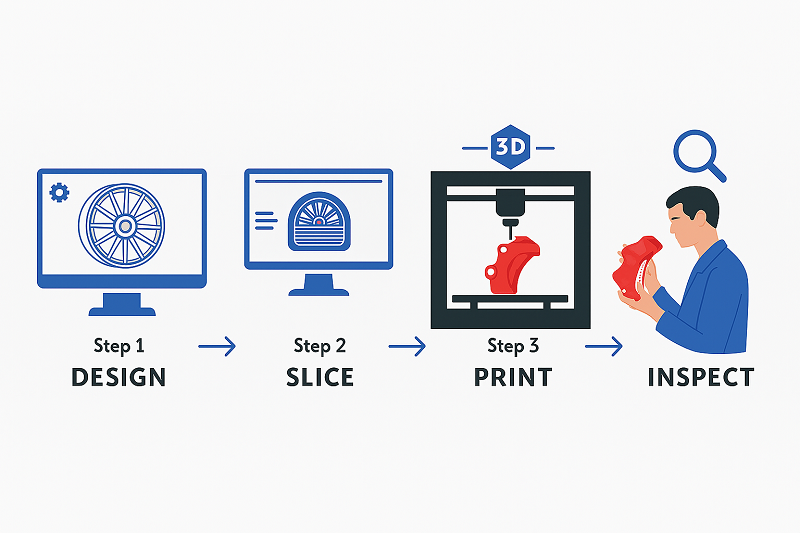
One of the most significant advantages of integrating 3D printing is the dramatic acceleration of product development. In the past, creating a physical prototype could take weeks or months and cost a fortune in tooling. Now, a design can be printed overnight, tested the next day, and iterated upon immediately. This rapid feedback loop allows engineers and designers to refine and perfect parts in a fraction of the time, leading to better products and a faster time-to-market. Ford, for example, has used this to save millions of work hours and slash development costs.
On-Demand Manufacturing: A Game-Changer for Custom Shops
Custom car part manufacturers often deal with low-volume, high-variety orders. For traditional methods, this is a costly model due to the expense of creating unique molds or tooling for each part. 3D printing excels here, as it requires no tooling. This makes it incredibly cost-effective to produce one-off parts or small batches. It also eliminates the need for large inventories; parts can be printed on-demand, reducing storage costs and waste. This agility allows manufacturers to be more responsive to customer needs and market changes.
Reviving Classics: The Solution for Obsolete Parts
For classic car collectors and restoration specialists, finding obsolete or rare parts can be a near-impossible quest. 3D printing offers a lifeline. By 3D scanning a broken or worn-out original part, a precise digital model can be created and then printed using modern, durable materials. This not only keeps priceless classic cars on the road but can also improve upon the original design for greater longevity. Companies like Porsche are already using this technology to supply spare parts for their vintage models.
Choosing the Right Materials: From Polymers to Metals
The success of a 3D printed car part is heavily dependent on the material used. The choice depends entirely on the part's specific requirements, such as heat resistance, chemical exposure, and mechanical stress. The material palette for automotive 3D printing is vast and growing:
- High-Performance Polymers: Materials like PEEK and ULTEM are used for parts exposed to extreme heat and chemicals. Carbon-fiber reinforced nylons offer a fantastic balance of strength and low weight.
- Durable Thermoplastics: ABS and ASA are excellent for interior and exterior trim pieces, offering durability and UV resistance.
- Flexible Materials: TPU is used for creating flexible parts like seals, gaskets, and vibration-dampening components.
- Metals: Aluminum, titanium, and stainless steel can be 3D printed to create incredibly strong and functional metal parts, such as brake calipers and structural brackets.
| Material | Key Properties | Common Applications in Custom Cars |
|---|---|---|
| Carbon Fiber Nylon | High strength-to-weight ratio, stiffness | Brackets, aerodynamic components, structural parts |
| ASA | UV resistance, durability | Exterior trim, mirror housings, grilles |
| PEEK / ULTEM | High temperature and chemical resistance | Under-the-hood components, fuel system parts |
| Titanium | Exceptional strength, low density, corrosion resistant | High-performance brake calipers, exhaust components |
| TPU | Flexibility, abrasion resistance, rubber-like | Gaskets, custom bushings, interior liners |
Real-World Success: From Tooling to End-Use Parts
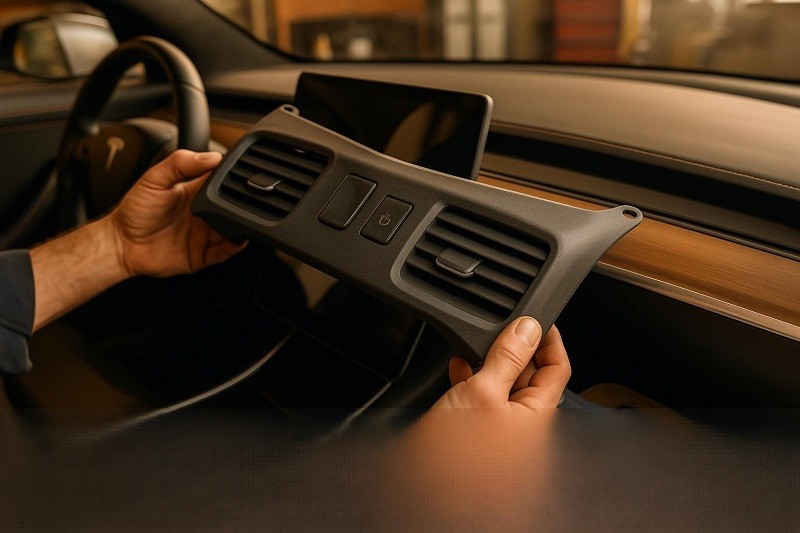
Major automotive players and specialized shops alike are demonstrating the power of additive manufacturing. Volkswagen, for instance, dramatically cut costs and lead times by 3D printing its manufacturing tools, jigs, and fixtures. Luxury brands like Bugatti have developed lightweight, 3D-printed titanium brake calipers. Meanwhile, custom shops are creating everything from bespoke interior dashboards to unique aerodynamic spoilers, all tailored to a customer's specific vision.
Overcoming the Hurdles: Challenges in Adoption
Despite its many benefits, the widespread adoption of 3D printing is not without challenges. The initial investment in industrial-grade printers can be high, and there is a learning curve to mastering the technology and design principles (known as Design for Additive Manufacturing or DfAM). Ensuring part quality and consistency, especially for critical components, requires rigorous testing and validation. However, as the technology matures and becomes more accessible, these barriers are steadily lowering.
The Road Ahead: The Future is Additive
Additive manufacturing is no longer a niche technology but a fundamental pillar of modern automotive production. For a custom car parts manufacturer, it's a passport to the future. It enables a level of customization, speed, and design complexity that was previously unimaginable. By embracing 3D printing, manufacturers can not only solve today's challenges—like supply chain disruptions and the need for cost-effective, low-volume production—but also unlock a new world of creative and engineering possibilities, building the high-performance, personalized vehicles of tomorrow.