

Mastering the Network Backbone: A Complete Guide to CATV Hardline Connector Installation and Certification
Why Flawless Hardline Connectorization is Non-Negotiable
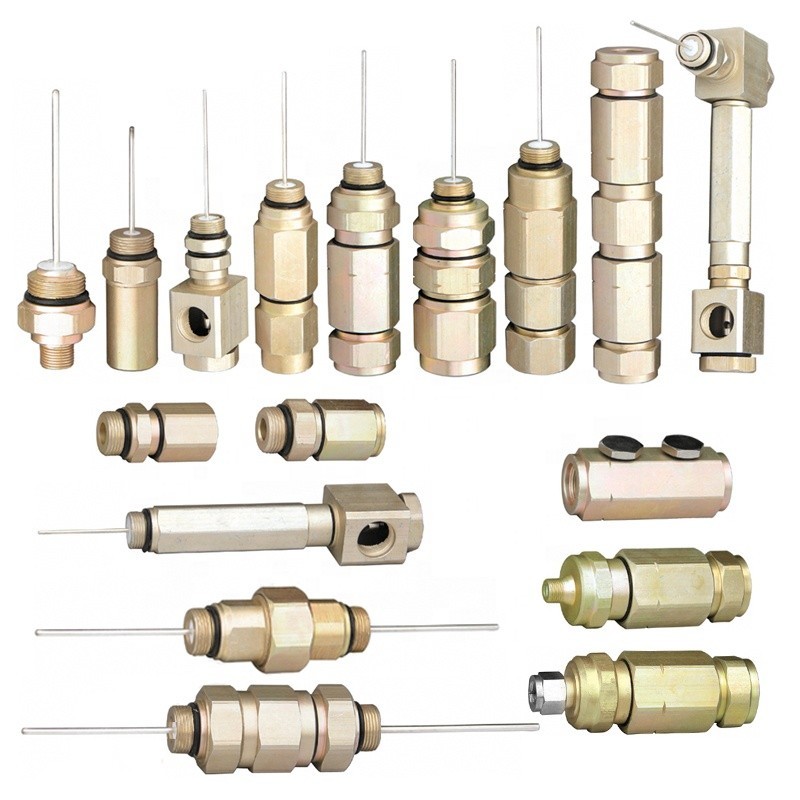
In a CATV network, the hardline cable is the superhighway for data, video, and voice services. However, this highway is only as strong as its weakest point: the connector. A single, improperly installed hardline connector can cripple the performance of the entire network segment. It can introduce signal leakage (ingress and egress), degrade signal quality (MER, BER), and lead to intermittent service outages. These failures are costly, requiring expensive and disruptive emergency maintenance. Investing in proper installation practices from the outset is the most effective strategy to ensure long-term network reliability and customer satisfaction.
The Essential Toolkit: Tools of the Trade
Achieving a perfect connection starts with the right tools, and more importantly, tools that are in excellent working condition. Using worn-out or incorrect equipment is a primary cause of installation failures. Technicians must be equipped with and trained on the proper use of specialized hardline tools.
- Cable Cutters: For a clean, square cut of the hardline cable without deforming the aluminum sheath.
- Jacket Stripping Tool: To remove the outer polyethylene jacket to the precise length required by the connector manufacturer.
- Coring & Stripping Tool: This is the most critical tool in the process. A sharp, well-maintained coring bit removes the dielectric material and strips the aluminum sheath to expose the center conductor without scoring or damaging it.
- Center Conductor Cleaner/Deburring Tool: Removes residual dielectric and any burrs from the center conductor, ensuring a clean surface for contact.
- Torque Wrench: Essential for tightening the connector to the equipment port (e.g., tap, amplifier) to the manufacturer's specified torque. Hand-tightening is never sufficient.
- Connector Wrench/Compression Tool: Used to tighten the connector bodies together to the specified positive stop, creating a permanent, weather-sealed bond.
Tool condition is paramount. A dull coring bit can score the conductor, leading to signal transmission problems, while a damaged sheath cutting blade can create weak spots in the cable.
Cable & Connector Compatibility: A Critical First Step
Not all hardline cables and connectors are created equal. Before any tools are used, it's crucial to verify that the connector is designed for the specific type and size of the hardline coaxial cable being used. Common cable types like P3, QR, and MC2 have different dimensions and require specific connectors and sometimes even different preparation techniques. Using the wrong connector will inevitably lead to a failed connection, regardless of the technician's skill. Always consult the manufacturer's specifications for both the cable and the connector to ensure a perfect match.
The Step-by-Step Installation Process: A Blueprint for Success
Following a methodical, step-by-step process is the key to consistent and reliable hardline connector installations. While specific steps may vary slightly between connector manufacturers, the core process remains the same.
- Clean Cut: Begin with a clean, square cut of the cable using a dedicated hardline cable cutter.
- Jacket Removal: Use a jacket stripping tool to strip the outer plastic jacket to the length specified in the connector's instructions.
- Core & Strip: Employ the correct coring tool for the cable type. This will simultaneously remove the dielectric from the center conductor and cut the aluminum sheath to the proper length.
- Clean the Conductor: Use a center conductor cleaner to remove all traces of dielectric residue. Never use a knife or sharp blade, as this can score the conductor.
- Remove Flooding Compound: Thoroughly clean any flooding compound from the outer sheath using an approved cleaner.
- Install Connector Body: Slide the main connector body onto the prepared cable until it is fully seated against the outer conductor.
- Tighten the Connector: Using the proper wrenches, tighten the back nut of the connector until it reaches the manufacturer's specified positive stop or torque value. This step is critical for creating a secure, moisture-proof seal.
- Trim the Center Conductor: Measure and trim the center conductor (stinger) to the correct length based on the equipment it will be connected to. Use the guide marks on the equipment port. A "chisel point" cut (cutting halfway, rotating 90 degrees, and finishing the cut) is often recommended to prevent distortion.
- Weatherproofing: Slide a heat shrink sleeve over the connection and apply heat evenly until it forms a tight seal, protecting the connection from moisture ingress.
The Anatomy of a Failure: Common Mistakes to Avoid
Understanding common installation errors is the first step toward preventing them. The vast majority of connector-related service calls can be traced back to a handful of recurring mistakes.
- Incorrect Coring Depth: Leaving the center conductor too long or too short can result in a poor or non-existent connection at the equipment port.
- Moisture Ingress: The number one enemy of a CATV network. Failure to properly tighten the connector or apply heat shrink allows moisture to penetrate, causing corrosion and signal degradation.
- Contamination: Aluminum shavings from the coring process or residual dielectric on the center conductor can cause shorts and impedance mismatches.
- Scored Center Conductor: Using a dull tool or an improper cleaning method (like a knife) can create microscopic grooves on the conductor, leading to signal loss and reflection.
- Under/Over-Tightening: Hand-tightening is never enough. Conversely, overtightening can damage the connector or the equipment port. Always use a torque wrench.
The Role of SCTE in Setting Industry Standards
The Society of Cable Telecommunications Engineers (SCTE) plays a pivotal role in creating the standards that govern the telecommunications industry. They publish detailed specifications for everything from hardline connectors (ANSI/SCTE 125) and splices (ANSI/SCTE 101) to equipment ports and passive devices. These standards ensure interoperability between components from different manufacturers and provide a baseline for performance and reliability. Adherence to SCTE standards is a hallmark of professional installation work and is essential for building and maintaining a robust, future-proof network.
Beyond the Basics: Understanding Passive Devices
Hardline connectors are the interface to various passive devices that route and control the signal throughout the plant. Understanding these devices is part of a holistic approach to network maintenance. These include:
- Splitters: Divide the input signal into two or more equal outputs.
- Directional Couplers: Split the signal unevenly, tapping off a small portion while allowing the majority to pass through.
- Taps: The most common passive device, used to tap signal from the feeder line to a subscriber's drop cable.
- Power Inserters: Used to inject AC voltage onto the coaxial cable to power amplifiers and nodes.
Each of these devices represents a connection point where a failure can occur, reinforcing the need for meticulous connectorization skills.
The Technician's Challenge: Signal Leakage and Return Loss
A poorly installed connector doesn't just create problems—it becomes an antenna. It can allow outside signals (like LTE or amateur radio broadcasts) to leak into the cable (ingress), causing interference. It can also allow the cable system's signals to leak out (egress), which is a violation of federal regulations. Furthermore, each connector introduces a small amount of return loss, where a portion of the signal is reflected back toward the source. While a small amount is expected, a bad connection creates significant return loss, which can severely degrade upstream and downstream data performance.
The Value Proposition: Why Training and Certification Matter
Given the critical nature of hardline connections, relying on on-the-job learning alone is a risky proposition. Formal training and certification programs, such as those offered by NCTI or aligned with SCTE's Broadband Distribution Specialist (BDS) certification, are invaluable.
Benefits of Certification: | Benefit | Description | | :--- | :--- | | Standardization | Ensures every technician follows the same proven, best-practice procedures. | | Quality Control | Reduces craft-related errors, leading to fewer service calls and truck rolls. | | Network Integrity | Improves overall network health, signal quality, and reliability. | | Professional Development | Provides technicians with a recognized credential, enhancing their skills and career path. | | Reduced Costs | Prevents costly repairs and service disruptions caused by installation errors. |
These programs provide the deep theoretical knowledge and hands-on skills necessary to master the craft, covering everything from AC theory to the proper use of a Time Domain Reflectometer (TDR) for fault finding.
Conclusion: Building a Reliable Network, One Connector at a Time
The hardline connector may be a small component, but its impact on network performance and reliability is immense. A commitment to excellence in this area—through proper tools, adherence to standards, and a dedication to professional training and certification—is a direct investment in the health of the network and the satisfaction of the customer. By mastering the art and science of hardline connector installation, technicians become the true guardians of the broadband network, ensuring its integrity one perfect connection at a time.