Driving the Future: A Manufacturer's Guide to Sustainable Custom Car Parts
The Green Revolution in Custom Automotive Manufacturing
The roar of an engine no longer just signifies power; it's beginning to represent a promise of progress. For custom car part manufacturers, the tide is turning. A global push for environmental responsibility is reshaping the automotive landscape, making sustainability a critical driver of innovation and market success. This isn't just about regulatory compliance; it's about meeting a powerful consumer demand for greener products and building a brand that's fit for the future. Embracing eco-friendly practices is now a vital differentiator, offering a competitive edge through efficiency, cost savings, and enhanced brand reputation.

Why Sustainability is a Game-Changer for Manufacturers
Integrating sustainability into your manufacturing process is more than a trend—it's a strategic business decision with tangible benefits. By adopting green practices, custom part manufacturers can significantly reduce waste, conserve resources, and lower energy consumption, leading to direct cost efficiencies. It also strengthens your position in the market. As major automakers increasingly demand sustainable components from their suppliers, demonstrating a commitment to eco-friendly production becomes a powerful selling point. This proactive approach ensures long-term business viability while contributing positively to environmental preservation.
Lightweighting: The Ultimate Fusion of Performance and Efficiency
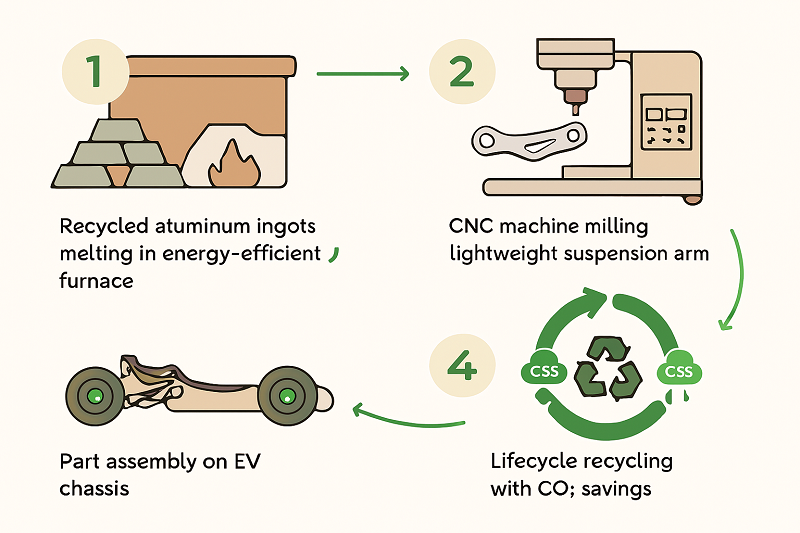
One of the most effective strategies in sustainable automotive design is lightweighting. By reducing a vehicle's overall weight, you directly improve its fuel efficiency and lower emissions. For custom part manufacturers, this presents an opportunity to innovate with advanced materials that offer superior strength-to-weight ratios. Materials like recycled aluminum, high-strength steel, and carbon fiber composites allow for the production of parts that are both durable and significantly lighter than their traditional counterparts. This not only meets sustainability goals but also enhances vehicle performance—a key selling point for any custom car enthusiast.
Harnessing the Power of Recycled Materials
Recycling is the cornerstone of the circular economy and a powerful tool for sustainable manufacturing. Using recycled materials drastically reduces the need for raw material extraction, a process that is both energy-intensive and environmentally damaging.
- Recycled Metals: Recycled aluminum and steel are foundational. For instance, producing parts from recycled aluminum requires only a fraction of the energy needed for virgin ore. These metals can be melted down and repurposed without losing their structural integrity, making them ideal for everything from engine blocks to chassis components.
- Recycled Plastics: From dashboards and bumpers to smaller interior components like trim and vent covers, a wide array of recycled plastics can be utilized. Materials like recycled polypropylene (rPP) and recycled polyamide (rPA) offer excellent durability and heat resistance, suitable for both interior and under-the-hood applications.
Bio-Based Innovators: Manufacturing with Nature's Materials
The future of custom parts is also growing from the ground up. Bio-based materials, derived from renewable resources, are emerging as viable and exciting alternatives to traditional plastics and fibers. Natural fiber composites made from hemp, flax, or kenaf are strong, lightweight, and can be used to create door panels, seat backs, and interior trim. These materials not only reduce dependence on fossil fuels but often have a smaller carbon footprint, as the plants absorb CO2 during their growth. Other innovations include bioplastics made from corn or sugarcane, perfect for interior components.
Additive Manufacturing (3D Printing): The Pinnacle of Precision and Sustainability
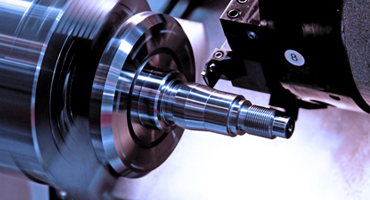
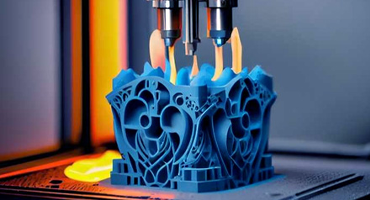
Additive manufacturing, or 3D printing, is revolutionizing custom part production. Unlike traditional subtractive methods that cut away material from a larger block, 3D printing builds parts layer by layer. This results in a dramatic reduction in material waste, often by up to 90%. Furthermore, it allows for the creation of incredibly complex and optimized geometries—like internal lattice structures—that reduce weight while maintaining strength. For a custom parts manufacturer, this means faster prototyping, on-demand production that reduces inventory waste, and the ability to use a wide range of eco-friendly materials, including recycled polymers.
The Circular Economy: Embracing Remanufacturing
Sustainability extends beyond initial production; it encompasses the entire lifecycle of a part. Embracing a circular economy model involves designing parts for longevity and eventual reuse. Remanufacturing is a key component of this, where used parts like engines, transmissions, and alternators are collected, restored to OEM specifications, and reintroduced into the market. This process saves immense amounts of energy and raw materials compared to manufacturing a new part from scratch. It reduces landfill waste and offers customers a high-quality, cost-effective, and sustainable alternative.
Greening Your Operations: Reducing the Carbon Footprint of Production
True sustainability involves a holistic look at your entire manufacturing facility. Simple but effective changes can lead to significant environmental and financial benefits. Implementing energy-efficient machinery, switching to LED lighting, and optimizing logistics to reduce transportation emissions are all crucial steps. Many manufacturers are also investing in renewable energy sources like solar panels to power their operations. An environmental management system, such as ISO 14001, provides a framework for continually monitoring and improving your facility's ecological impact.
Comparing Eco-Friendly Material Options
Choosing the right material is a balance of performance, cost, and environmental impact. Here is a comparison of common sustainable materials for custom car parts:
| Material | Key Properties | Primary Environmental Benefit |
|---|---|---|
| Recycled Aluminum | Lightweight, strong, high recyclability | Requires ~95% less energy to produce than virgin aluminum. |
| Natural Fiber Composites | Lightweight, good strength, absorbent | Renewable resource, biodegradable, C02 absorbent during growth. |
| Recycled Plastics (rPP/rPA) | Durable, versatile, heat resistant | Reduces landfill waste and dependence on fossil fuels. |
| Bio-Plastics | Biodegradable, renewable source | Lower carbon footprint than petroleum-based plastics. |
| High-Strength Steel | Extremely durable, high recycled content | Allows for thinner, lighter parts without sacrificing safety. |
Meeting the Modern Consumer's Demand for Green Vehicles
Today’s consumers are more environmentally conscious than ever. They seek brands that align with their values, and sustainability has become a significant factor in purchasing decisions. For the custom and performance automotive market, this means a car's story is just as important as its specs. By manufacturing eco-friendly parts, you are not just selling a component; you are offering an identity rooted in responsible innovation. Highlighting your use of recycled materials, lightweight designs, and green manufacturing processes can attract and retain a loyal customer base that values both performance and the planet.

Paving the Way: Become a Leader in Sustainable Automotive Manufacturing
The transition to sustainable manufacturing is an investment in the future of your business and the world. By integrating eco-friendly materials, embracing innovative technologies like additive manufacturing, and optimizing your operational efficiency, you can create custom car parts that are lighter, stronger, and greener. This positions your company as a forward-thinking leader in a rapidly evolving industry, ready to meet the challenges and opportunities of the next generation of automotive excellence.