Designing Heat Sinks and Thermal Components for CNC Machining
Designing Heat Sinks and Thermal Components for CNC Machining
Learn how to design CNC-machined heat sinks and thermal components for electronics, LEDs, power systems, and industrial applications.
Introduction: Why Thermal Management Matters in Precision Machining
Electronic components continue to shrink in size while increasing in power density. LEDs, CPUs, RF amplifiers, motor drives, and power electronics all generate heat that must be removed efficiently. When the heat is not managed properly, junction temperatures rise, causing accelerated aging, color shift, reduced efficiency, and premature failure.
CNC machining offers a practical path to producing custom heat sinks and thermal components that match exact form factors, mounting patterns, and performance targets. Unlike off-the-shelf extrusions, machined heat sinks can combine optimized fin geometry, integrated mounting features, and complex base interfaces in a single part. In this guide, we explain how to design heat sinks for CNC machining, which materials to choose, and what SOMI Custom Parts can manufacture for your thermal management needs.
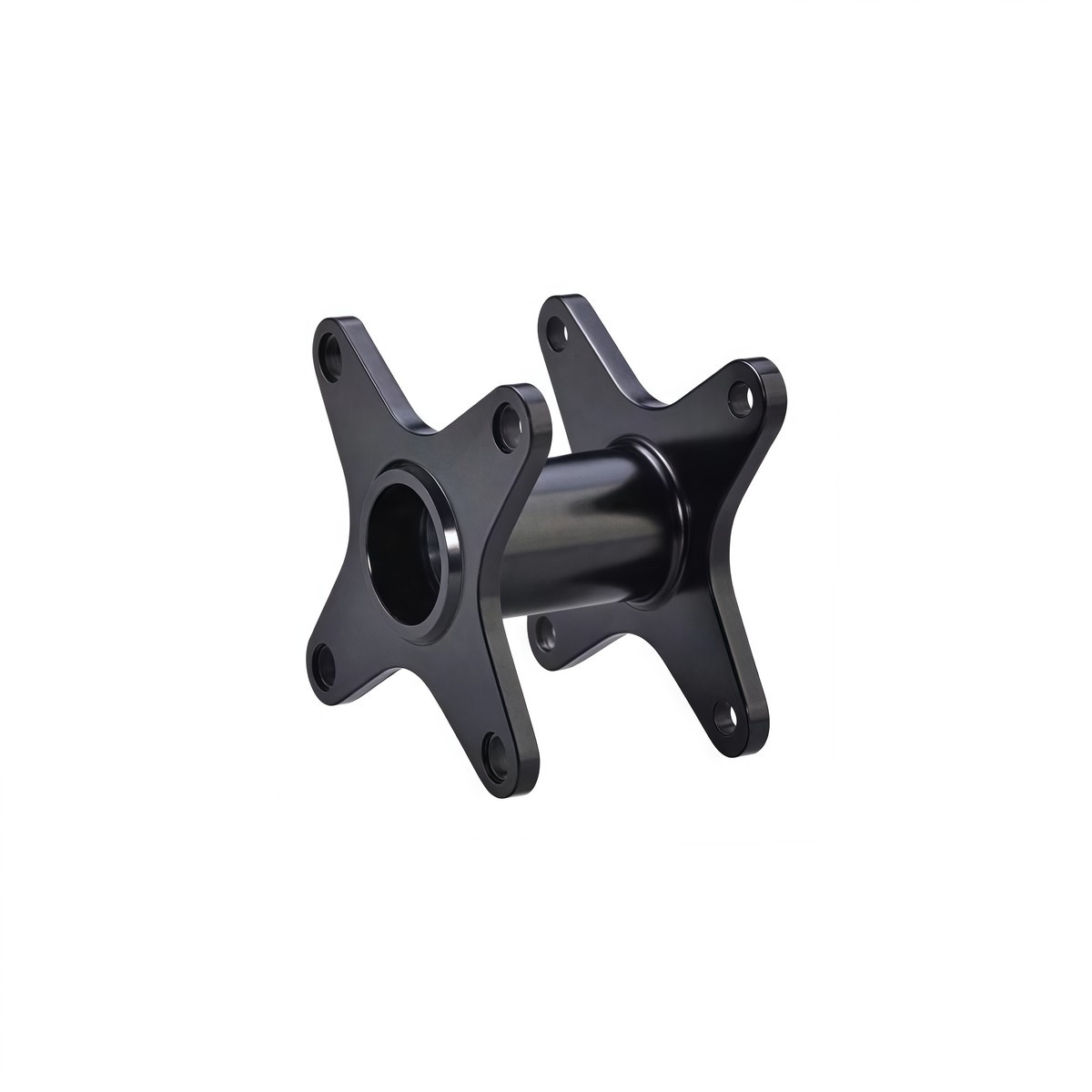
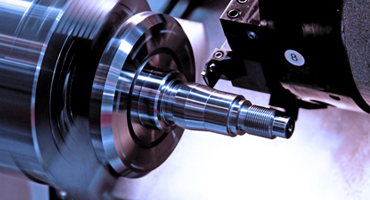
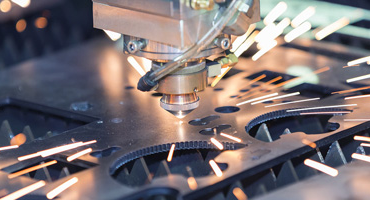
CNC machining enables custom heat sink profiles that standard extrusions cannot achieve.
What Is a CNC-Machined Heat Sink?
A CNC-machined heat sink is a thermal management component manufactured by removing material from a solid block or plate of aluminum, copper, or another thermally conductive material. The process creates fins, pins, channels, pockets, and mounting surfaces to increase surface area and improve heat dissipation.
Common CNC heat sink forms include plate-fin arrays, pin-fin arrays, radial fins, folded-base designs, and liquid-cold-plate channels. The design freedom of CNC machining makes it ideal for prototypes, low-to-medium volumes, and applications where the heat sink must integrate with surrounding mechanical features.
Key Heat Sink Materials and Their Trade-Offs
| Material | Thermal Conductivity | Density | Best For |
|---|---|---|---|
| Aluminum 6061-T6 | ~167 W/m·K | Light | General electronics, LED modules, industrial controls |
| Aluminum 6063 | ~200 W/m·K | Light | Visible consumer products, anodized finishes |
| Copper C110 | ~390 W/m·K | Heavy | High heat flux: CPUs, RF, laser diodes, power electronics |
| Al-Cu Hybrid | Varies | Medium | Copper base + aluminum fins for balanced performance |
Aluminum remains the most common choice because it offers a strong balance of conductivity, weight, machinability, and cost. Copper provides nearly double the conductivity but is heavier, more expensive, and harder to machine cleanly. Hybrid designs combine a copper base with aluminum fins to capture the benefits of both materials.
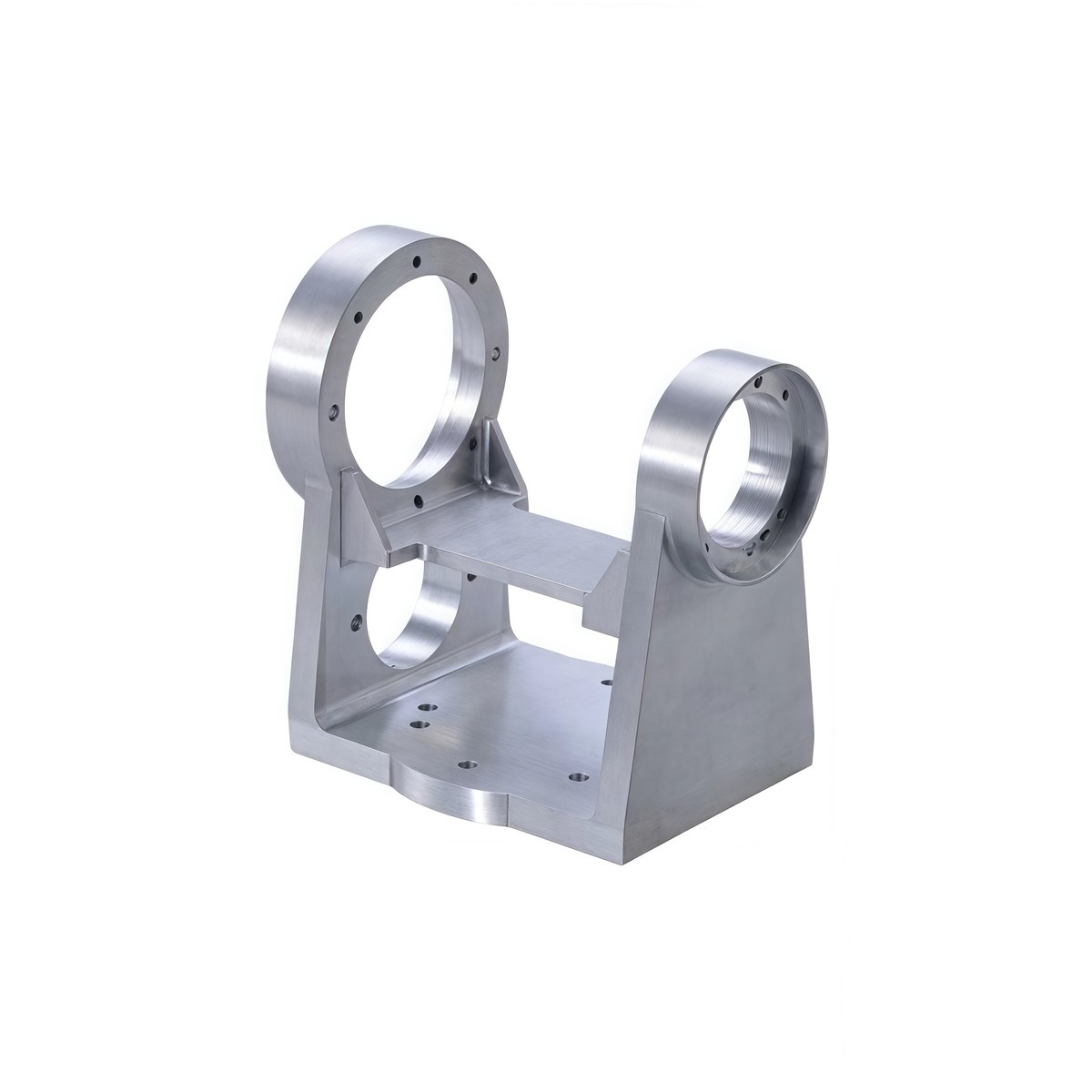
Material selection for thermal components balances conductivity, weight, and cost.
Design Features That Improve Heat Sink Performance
Several geometric decisions directly affect how well a heat sink performs. CNC machining gives designers control over each of these features.
Fin Geometry and Density
Thin, closely spaced fins increase surface area but can restrict airflow. Fin thickness, pitch, and height should be matched to the available airflow and the heat load. For natural convection, wider fin spacing is usually better. For forced-air applications, denser fins can be effective if the pressure drop is acceptable.
Base Thickness
The base must be thick enough to spread heat laterally before it reaches the fins. If the base is too thin, hot spots form directly above the heat source and the fins downstream operate below their potential.
Contact Surface Flatness
A smooth, flat mounting surface reduces thermal interface resistance. CNC machining can hold base flatness tolerances in the range of ±0.02 mm to ±0.05 mm, which is important when using thin thermal pads or paste.
Integrated Mounting and Alignment
Adding threaded holes, clearance slots, dowel holes, and standoffs directly into the heat sink reduces assembly complexity and improves repeatability. These features are straightforward to add during CNC machining.
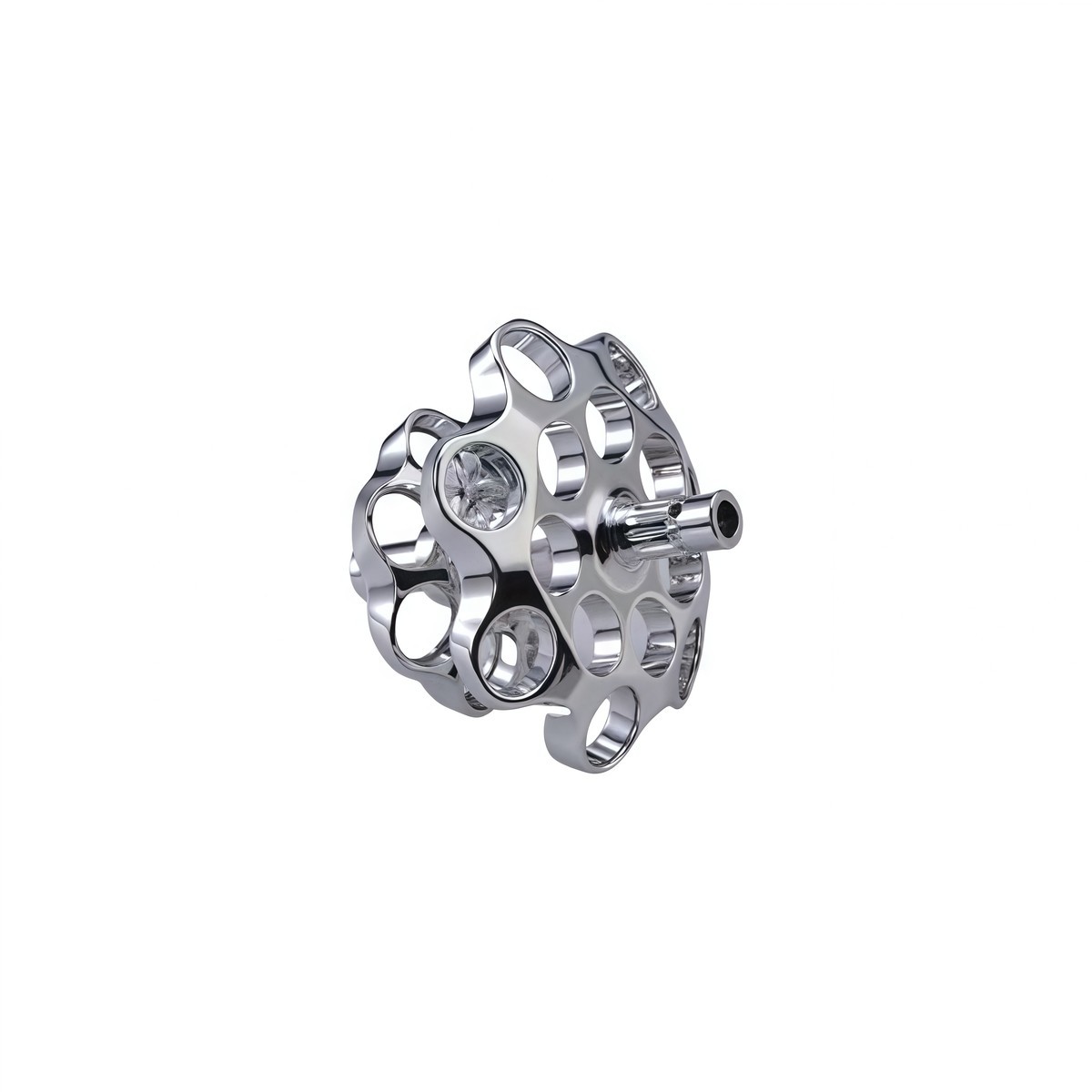
CNC machining integrates fins, mounting holes, and alignment features in a single setup.
Design for Manufacturability: Avoiding Common Heat Sink Mistakes
- Excessively thin or tall fins: Fin height-to-thickness ratios above 10:1 risk vibration, chatter, and dimensional variation during machining.
- Deep, narrow pockets without tool access: Long tool overhangs reduce rigidity and can produce poor surface finish.
- Sharp internal corners: Every CNC cutter has a radius. Specify appropriate fillets to avoid extra operations.
- Ignoring finishing: Black anodizing can improve emissivity for aluminum, while nickel plating protects copper from oxidation.
- Over-specifying tolerances: Tighter tolerances increase cost. Specify flatness and hole accuracy only where they affect thermal or mechanical performance.
How SOMI Custom Parts Can Help
At SOMI Custom Parts, we machine custom heat sinks and thermal components from aluminum, copper, and engineering plastics. Our CNC milling capabilities support complex fin profiles, precision base interfaces, and integrated mounting features for electronic, industrial, automotive, and medical applications.
Whether you need a prototype to validate thermal simulation or a small production run with consistent quality, our engineering team can review your design for manufacturability and recommend material, geometry, and finishing choices that meet your performance targets. Request a quote to start your heat sink project.
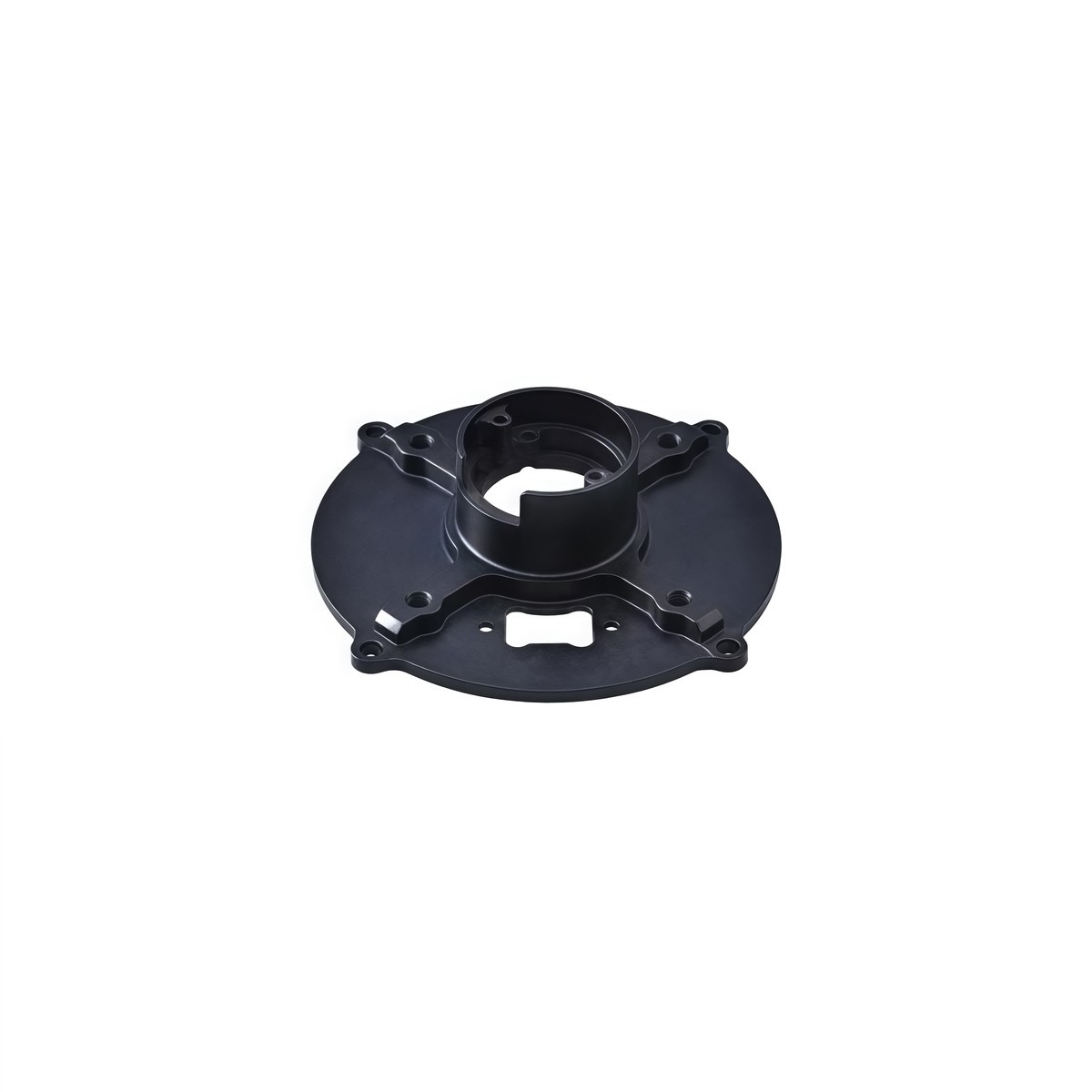
From concept to machined thermal component — SOMI supports your design and production needs.
Frequently Asked Questions
What is the typical minimum fin thickness for CNC-machined heat sinks?
For aluminum, fins as thin as 0.5 mm are achievable in controlled conditions, though 0.8–1.0 mm is more common for production stability. The achievable ratio depends on fin height, material, and required surface finish.
Should I choose aluminum or copper for my heat sink?
Aluminum is preferred when weight and cost matter. Copper is better for high heat flux or compact spaces. A hybrid copper-base/aluminum-fin design can offer a compromise between performance and weight.
Can SOMI produce heat sinks with threaded mounting holes?
Yes. We can machine integrated mounting holes, counterbores, threaded bosses, and alignment features as part of the heat sink geometry.
What surface finishes are available for CNC heat sinks?
Common options include clear or black anodizing for aluminum, bead blasting for cosmetic texture, nickel plating for copper, and chem film for conductivity or corrosion protection.
Conclusion
Designing heat sinks for CNC machining requires balancing thermal performance, mechanical integration, and manufacturability. By selecting the right material, optimizing fin geometry, controlling base flatness, and designing for the CNC process, you can produce thermal components that perform reliably in demanding applications.
If you are sourcing custom heat sinks or thermal components, contact SOMI Custom Parts to discuss your heat load, space constraints, and target finish. Our team will help you turn your thermal design into a machined reality.