Choosing the Right ABS/PC Custom Part for Your Injection Molding Project
In the world of manufacturing, especially when it comes to custom parts, injection molding stands out as a highly efficient and versatile process. We're talking about creating precise, high-volume parts that meet specific needs across various industries. When the material of choice is a high-performance thermoplastic like Acrylonitrile Butadiene Styrene (ABS) or Polycarbonate (PC), the possibilities expand even further, allowing for the creation of durable, complex, and aesthetically pleasing components.
This guide is designed to walk you through the essential considerations when selecting the right ABS/PC custom part for your injection molding project. We'll explore material choices, design aspects, and manufacturing principles to help you make informed decisions that align with your product's functional requirements, budget, and long-term goals. Whether you are developing consumer electronics, automotive components, or medical devices, understanding the nuances of these materials is the first step toward a successful product launch.
Understanding Material Selection for Your Custom Part Injected ABS/PC
Choosing the right material is a fundamental decision that impacts the part's performance, durability, cost, and appearance. The selection process requires a careful evaluation of mechanical strength, heat resistance, chemical compatibility, and cost-effectiveness to ensure the final product meets all its application requirements. Engineering plastics like ABS, PC, and their blends are popular for their enhanced mechanical properties and suitability for demanding applications.
ABS: The Versatile Choice for Custom Part Injected ABS/PC
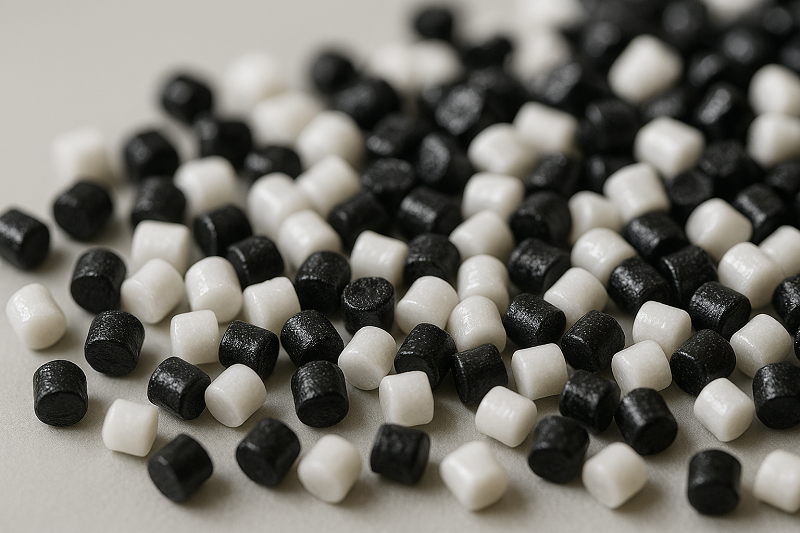
Acrylonitrile Butadiene Styrene (ABS) is a widely used thermoplastic terpolymer, renowned for its balanced combination of properties inherited from its three monomers. Acrylonitrile provides chemical resistance and thermal stability, butadiene offers toughness and impact strength, and styrene contributes to a glossy surface finish and processability. This unique blend makes ABS a cost-effective and versatile option for a vast range of injection molding projects.
Key Properties and Applications of ABS
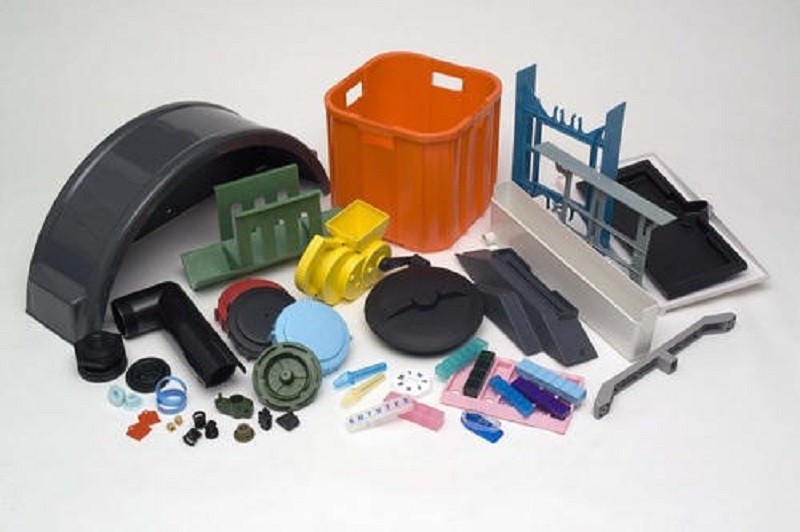
ABS is celebrated for its excellent impact resistance and toughness, making it ideal for products that need to withstand mechanical stress and wear and tear. Its good mechanical strength offers a solid balance of rigidity and flexibility. Furthermore, ABS is easy to process, with a relatively low processing temperature that can reduce energy consumption and cycle times during injection molding. This ease of processing allows for the creation of complex part geometries with minimal waste.
The aesthetic qualities of ABS are another significant advantage. It naturally produces a smooth, glossy surface that can be easily colored, painted, or even electroplated to achieve a chrome-like finish. These properties make it a top choice for:
- Consumer Electronics: Housings for remote controls, computers, and other handheld devices.
- Automotive Industry: Dashboards, interior trim pieces, and door panels.
- Household Goods: Appliance components, kitchen utensils, and vacuum cleaner housings.
- Toys and Consumer Products: Items like LEGO bricks are famously made from ABS due to their durability and colorability.
Considerations for Using ABS in Your Custom Part
While ABS is a fantastic all-around material, there are some limitations to consider. It has poor resistance to strong solvents and is vulnerable to UV degradation, which can cause it to become brittle and change color over time unless UV stabilizers are added. Though it has decent thermal stability for many applications, its heat resistance is lower than that of more advanced engineering plastics like polycarbonate. For parts subjected to repeated loading and unloading cycles, ABS may not be the best choice due to its poor fatigue resistance. Finally, when molding thicker sections with ABS, issues like sink marks and voids can occur, which may require design adjustments or switching to a different material like an ABS/PC blend.
Polycarbonate (PC): Strength and Stability for Your Custom Part Injected ABS/PC
When a project demands exceptional durability, high impact resistance, and transparency, Polycarbonate (PC) is often the answer. PC is a high-performance thermoplastic known for its incredible toughness, excellent dimensional stability, and good heat resistance. It maintains its properties across a wide range of temperatures, making it a reliable choice for demanding environments.
PC's Unmatched Durability and Heat Resistance
Polycarbonate is one of the toughest transparent thermoplastics available, with outstanding impact resistance that makes it virtually unbreakable. This makes it ideal for safety-critical applications like protective eyewear, safety shields, and bulletproof glass. Its strength and stiffness are often compared to metals, but at a fraction of the weight.
In addition to its robustness, PC offers good heat resistance, allowing it to maintain its structural integrity and dimensional stability at elevated temperatures. This characteristic is crucial for parts used in automotive lighting, electrical components, and enclosures for heat-generating electronic devices.
Here's a quick comparison of key properties:
| Property | Acrylonitrile Butadiene Styrene (ABS) | Polycarbonate (PC) |
|---|---|---|
| Impact Strength | Good to High | Exceptional |
| Heat Resistance | Moderate (up to 80-100°C) | High (up to 150°C) |
| Transparency | Opaque | Transparent |
| Cost | Relatively Inexpensive | More Expensive |
| UV Resistance | Poor (requires stabilizers) | Good (UV-stabilized grades available) |
| Chemical Resistance | Fair; resists diluted acids/alkalis | Poor; sensitive to solvents |
When is PC the Right Choice for Your Custom Part?
PC should be your go-to material when the primary requirements for your custom part include:
- Superior Impact Resistance: For protective gear, durable housings, or any part that will be subjected to significant impact.
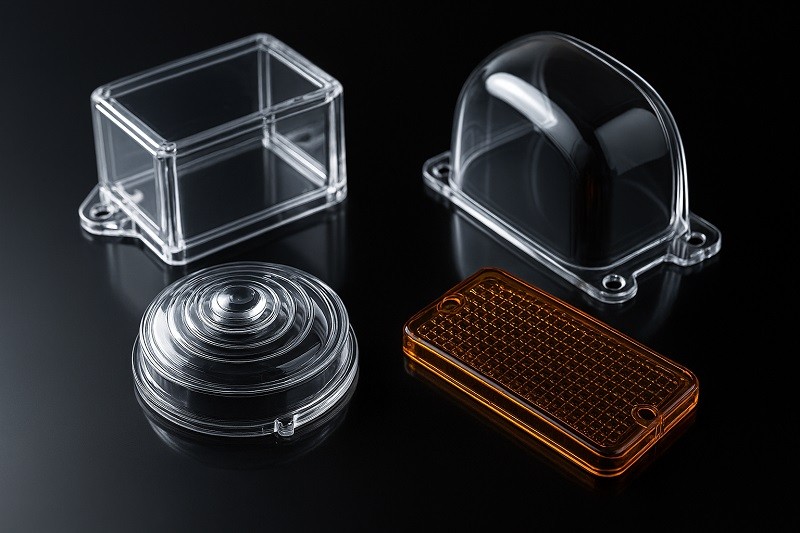
- Optical Clarity: When transparency is a key design element, such as for lenses, light pipes, windows, or clear covers.
- High-Temperature Performance: For components that operate in or near heat sources, like automotive headlamp lenses or electronic enclosures.
- Dimensional Stability: For precision parts where maintaining tight tolerances under varying temperatures and humidity is critical.
However, PC is more expensive than ABS and can be more challenging to process. It is prone to stress cracking and has poor chemical resistance against certain substances. For opaque parts that experience processing issues like voids in thick sections, an ABS/PC blend can often provide a more balanced and cost-effective solution.
ABS-PC Blends: Combining the Best for Your Custom Part Injected ABS/PC
What if you need the strength and heat resistance of PC but the processability and cost-effectiveness of ABS? The answer lies in an ABS-PC blend. This thermoplastic alloy combines the two materials to create a hybrid that leverages the strengths of both, resulting in a material with a unique and highly desirable set of properties. PC/ABS is engineered to offer a balanced profile of mechanical, thermal, and aesthetic performance.
Benefits of ABS-PC Blends in Demanding Applications
The synergy between polycarbonate and ABS creates a material that is greater than the sum of its parts. Key benefits include:
- Enhanced Impact Strength: The blend exhibits remarkable toughness, especially at low temperatures, which is a common weakness in standard PC. This makes it ideal for protective housings and components that need to withstand drops and collisions.
- Improved Heat Resistance: PC/ABS has a higher heat deflection temperature than neat ABS, allowing it to be used in more demanding thermal environments.
- Excellent Processability: Compared to pure PC, the blend has a lower melt viscosity, making it easier to inject into complex molds and thin-walled parts with greater precision and faster cycle times.
- Superior Aesthetics: It retains the high-quality, glossy surface finish of ABS, making it easy to paint, plate, or texture for premium aesthetic appeal.
- Great Dimensional Stability: The material has low and uniform shrinkage rates, ensuring that molded parts maintain their intended shape and dimensions with high precision, which is critical for complex assemblies with tight tolerances.
These properties make PC/ABS a go-to choice for automotive interiors and exteriors, electronic housings, medical device components, and consumer goods that require a combination of toughness and a premium look and feel.
Optimizing Performance with Additives in ABS-PC Custom Parts
The versatility of ABS-PC blends can be further expanded through the use of various additives. These modifiers can tailor the material's properties to meet very specific application requirements.
- Flame Retardants: For electronics and transportation applications where fire safety is a concern, flame-retardant additives can be incorporated to meet stringent standards like UL94 V-0 without significantly compromising mechanical properties.
- UV Stabilizers: To combat the degradation and color change caused by sunlight, UV stabilizers are added for parts intended for outdoor use, such as exterior automotive components or outdoor equipment enclosures.
- Reinforcing Fillers: Adding agents like glass fibers can significantly improve the strength, stiffness, and dimensional stability of the plastic. This is particularly useful for structural components that need to bear loads.
- Impact Modifiers: While PC/ABS is already tough, specialized impact modifiers can be added to further enhance its impact strength, particularly for applications requiring extreme durability.
By working with an experienced manufacturer, you can select the right blend and additive package to optimize the performance of your custom part for its specific end-use environment.
Other Materials to Consider for Custom Part Enclosures
While ABS, PC, and their blends cover a wide spectrum of applications, certain projects may benefit from alternative materials, especially for custom part enclosures.
PPE+PS (PPO): Durable and Cost-Effective Options
A blend of polyphenylene ether (PPE) and polystyrene (PS), often known by the trade name Noryl, offers a compelling combination of properties. Modified PPE/PPO is a hard, rigid, and strong material with good dimensional stability and low creep. A key advantage is its high heat distortion temperature and excellent resistance to hot water, making it suitable for applications involving fluid handling. Its good electrical properties also make it a common choice for instrument housings and internal electrical components. Furthermore, PPE-based plastics offer great corrosion resistance against water, salt, and acids, making them ideal for outdoor enclosures in harsh marine or coastal environments.
Acrylic: When Transparency is Key for Your Custom Part
When your project demands exceptional optical clarity, almost like glass, Acrylic (PMMA) is an excellent choice for injection molding. It is naturally UV-resistant and scratch-resistant, making it a popular choice for outdoor applications, lenses, light fixtures, and display cases. Acrylic can be molded into complex shapes with high precision, offering a lightweight and more impact-resistant alternative to glass. However, it can be more brittle and less flexible than polycarbonate, so it's not suited for applications that must withstand high pressure or significant impacts.

Choosing the ideal material is the foundation of a successful injection molding project. By carefully weighing the properties of ABS, PC, PC/ABS blends, and other alternatives against your application's specific needs, you can ensure your custom part will perform reliably and look its best.
Critical Design and Manufacturing Considerations for Your Custom Part Injected ABS/PC
Beyond material selection, the success of your injection molding project hinges on a thoughtful approach to design and manufacturing. An optimized design not only ensures the part functions as intended but also streamlines production, reduces costs, and minimizes defects. Understanding the interplay between design complexity, tooling, and production volume is crucial for making strategic decisions that will define your project's outcome.
Factors Influencing Injection Molding Costs for Custom Part Injected ABS/PC
Injection molding is a cost-effective method for mass production, but several key factors drive the overall expense. A clear understanding of these cost drivers allows for better budget management and helps identify opportunities for optimization without sacrificing quality.
Material and Mold Costs: Balancing Quality and Budget for Your Custom Part
The two most significant upfront investments in any injection molding project are the raw material and the mold (or tooling).
- Material Costs: As discussed previously, different plastics come with different price tags. High-performance engineering plastics like PC are more expensive than commodity plastics like ABS. The choice of material directly impacts the price per part. Additives, custom colors, and the total quantity of material required will also influence the total cost.
- Mold Costs: Tooling is often the largest single expense, with costs ranging from a few thousand to hundreds of thousands of dollars. The mold's cost is heavily influenced by its complexity, size, the material it's made from (e.g., aluminum for prototypes vs. hardened steel for high-volume production), and the number of cavities.
Part Design Complexity and Its Impact on Your Custom Part Project
A direct relationship exists between the complexity of a part's design and its manufacturing cost. A more intricate part requires a more complex mold, which takes longer to machine and often necessitates advanced features like side-actions, sliders, or lifters to handle undercuts. Features such as tight tolerances, threads, and detailed surface finishes also increase the complexity and cost of the mold. Simplifying the design by eliminating unnecessary features is a direct way to reduce tooling expenses.
Production Volume and Cavity Count for Efficient Custom Part Manufacturing
Economies of scale are a major factor in injection molding. While the upfront tooling cost is high, the cost per part decreases significantly as production volume increases because the initial investment is amortized over more units.
- Production Volume: For low-volume production runs, the high cost of a steel mold might not be justifiable. However, for mass production, the efficiency of injection molding leads to a very low per-part cost.
- Cavity Count: A mold can be designed with a single cavity or multiple cavities. A multi-cavity mold produces several parts in a single cycle, which dramatically reduces the production time and labor cost per part, making it ideal for high-volume runs. However, multi-cavity molds are more expensive and complex to build and require a larger, more powerful injection molding machine. Balancing the number of cavities with the expected production volume is a critical decision for optimizing cost-efficiency.
Optimizing Your Custom Part Design for Manufacturability
Design for Manufacturability (DFM) is an engineering practice focused on designing products to be as easy and cost-effective to manufacture as possible. Applying DFM principles early in the design process is essential for avoiding costly tooling changes, reducing production delays, and ensuring consistent part quality.
Streamlining Geometry and Eliminating Unnecessary Features
One of the core principles of DFM is simplification. Every feature added to a part should have a clear purpose.
- Avoid Complexity: Unnecessary complexity, such as sharp internal corners, deep ribs, or non-essential undercuts, increases tooling costs and the risk of molding defects. Smooth transitions and rounded corners (fillets) help improve material flow and reduce stress concentrations, resulting in a stronger part.
- Maintain Uniform Wall Thickness: This is one of the most critical rules in injection molding design. Consistent wall thickness allows the molten plastic to flow evenly and cool at a uniform rate, which prevents defects like warping, sink marks, and internal stresses.
- Incorporate Draft Angles: Draft is a slight taper applied to the vertical walls of a part. It is essential for ensuring the part can be easily ejected from the mold without being damaged. Insufficient draft can cause drag marks, breakage, and slower cycle times.
Utilizing Core-Cavity Method and Self-Mating Custom Parts
Clever design strategies can further reduce costs and complexity.
- Core-Cavity Method: Most plastic parts are designed as shells rather than solid blocks. The mold consists of two halves: the "cavity" (the external, convex shape) and the "core" (the internal, concave shape). Designing a part to be easily formed by a simple core and cavity reduces the need for complex and expensive mold actions.
- Self-Mating Parts: Instead of designing two distinct parts that fit together (like a left and a right half), a self-mating design uses a single part that can connect to an identical copy of itself. This clever trick cuts tooling costs in half, as only one mold is needed instead of two. It also simplifies inventory management.
Leveraging 3D Printing for Prototyping and Low-Volume Custom Parts
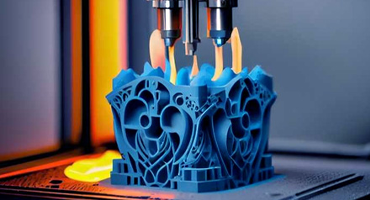
3D printing, or additive manufacturing, has become an invaluable tool in the product development lifecycle. For prototyping, it allows designers to create physical models quickly and inexpensively to test a part's form, fit, and function. This iterative process helps identify design flaws early, before committing to expensive hard tooling.
Furthermore, 3D printing is an excellent solution for low-volume production runs where the cost of injection molding tooling would be prohibitive. It eliminates tooling costs entirely and allows for the on-demand production of highly complex or customized parts. This bridges the gap between initial concept and mass production, enabling market testing and faster time-to-market.
Advanced Injection Molding Processes for Your Custom Part Injected ABS/PC
For parts with highly complex requirements, standard injection molding might not be enough. Advanced processes have been developed to create intricate, multi-material, and highly specialized components with efficiency and precision.
Two-Shot and High-Speed Molding for Complex Custom Part Solutions
- Two-Shot Molding: Also known as dual-shot or multi-shot molding, this process injects two different plastic resins into a single mold during one machine cycle. This is ideal for creating parts with multiple colors or materials, such as a rigid ABS housing with a soft, ergonomic TPE grip. Since the process is integrated into a single cycle, it eliminates labor-intensive secondary assembly steps, improves the bond between materials, and enhances product quality.
- High-Speed Molding: This process focuses on optimizing every aspect of the molding cycle—from injection speed to cooling time—to produce parts at an extremely rapid pace. It is particularly suited for high-volume production of thin-walled parts, such as those used in packaging and disposable medical devices, where efficiency is paramount.
Insert Molding and Micro Molding for Specialized Custom Part Needs
- Insert Molding: This process involves placing a pre-formed component—often made of metal, such as a threaded insert, screw, or electrical contact—into the mold cavity before injecting the plastic. The molten plastic flows around the insert, securely encapsulating it within the final part. This creates a robust, integrated component, eliminates the need for post-molding assembly, and improves the part's strength and reliability.
- Micro Molding: For parts that are incredibly small, often with features measured in microns, micro molding is the required technique. This highly specialized process uses extremely precise molds and machinery to produce tiny, intricate components for industries like medical devices, electronics, and micro-optics. It allows for the creation of complex geometries on a microscopic scale with exceptional accuracy.
By carefully considering these design and manufacturing factors, you can develop a strategy that optimizes your custom part for quality, cost, and long-term performance.
Enhancing the Aesthetics and Functionality of Your Custom Part Injected ABS/PC with Surface Finishes
While the structural integrity and material properties of an injection-molded part are paramount, its surface finish is equally crucial. The final finish not only dictates the product's look and feel but also enhances its durability, functionality, and perceived value. For ABS/PC custom parts, a wide array of surface treatments are available, from in-mold texturing to post-production printing and coating, allowing for immense design flexibility.
The Power of Surface Treatment for Your Custom Part
Surface treatment is far more than a cosmetic afterthought; it is an integral part of the product design that can solve functional challenges and create a strong brand identity. A well-chosen finish can transform a standard plastic component into a product that feels premium, offers better performance, and stands out in a crowded market.
Visual Appeal, Durability, and Functionality for Custom Part Injected ABS/PC
The right surface finish can dramatically improve a product's appearance and lifespan.
- Visual Appeal: A smooth, highly polished mold creates a glossy part that conveys elegance and quality, often used for high-end electronics or cosmetic packaging. Conversely, a matte or textured finish can hide imperfections like fingerprints, flow lines, or minor scratches, making it ideal for products that are handled frequently.
- Durability: Certain surface treatments enhance the part's resistance to wear, abrasion, and environmental factors. For example, plating ABS parts with a thin layer of metal can significantly increase their hardness and corrosion resistance. Protective coatings, such as UV-resistant lacquers, can prevent color fading and material degradation in outdoor applications.
- Functionality: Textures can serve a practical purpose by improving grip and ergonomics on handheld devices or tools. Specific textures can also facilitate the manufacturing process by improving paint adhesion or helping to vent trapped gases during molding.
Design Flexibility: Textures, Colors, and Effects
The versatility of plastics like ABS and PC allows for a nearly endless palette of aesthetic choices. Designers can achieve a wide range of looks through various techniques:
- In-Mold Texturing: This is one of the most cost-effective methods for applying a finish. The texture is directly etched or machined into the mold's surface, so every part that comes out of the mold has the finish perfectly replicated. Options range from simple bead-blasted matte finishes to complex geometric patterns or simulated grains like leather or wood.
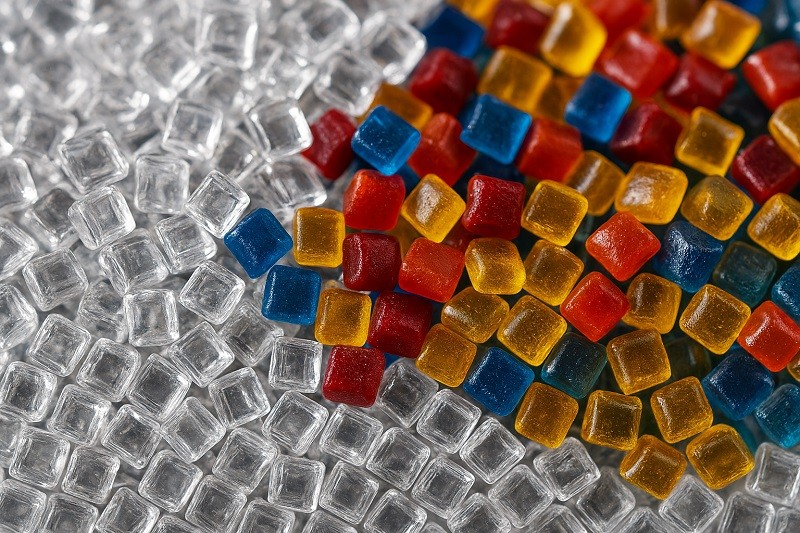
- Color Matching: Plastic resins can be colored prior to molding by mixing in pigments or masterbatch pellets. This allows for consistent, solid coloring throughout the part, in virtually any custom shade required to match brand identity.
- Special Effects: Beyond solid colors, special effect pigments can be added to create pearlescent, metallic, or fluorescent finishes directly in the molded part.
Popular Printing Techniques for Custom Part Branding
After a part is molded, printing is often used to add branding, logos, instructional text, or decorative graphics. ABS and PC are generally excellent materials for printing due to their good surface energy, which allows inks to adhere well.
Screen Printing: Precision and Durability for Your Custom Part
Screen printing, or silk screening, involves pressing ink through a stenciled mesh screen onto the part's surface. This method is ideal for printing on flat or cylindrical surfaces.
- Advantages: Screen printing is known for creating very durable and vibrant graphics because it deposits a thick layer of ink. It is highly cost-effective for large production runs and can be used on a wide range of plastics, including ABS and PC.
- Best Use Cases: It is best suited for large, relatively simple designs with one or a few distinct colors. Common applications include branding on large electronic enclosures, control panels, and signage.
Pad Printing: Intricate Designs on Complex Custom Part Surfaces
Pad printing is an indirect offset printing process that excels at transferring 2D images onto 3D objects, especially those with curved, concave, or irregular surfaces. It uses a soft, flexible silicone pad to pick up ink from an etched plate and press it onto the part.
- Advantages: The key benefit of pad printing is its incredible versatility. The pad can conform to virtually any shape, allowing for high-precision printing on surfaces that would be impossible to decorate with other methods. It delivers crisp, detailed images and is suitable for multi-color designs by using multiple passes.
- Best Use Cases: Pad printing is the go-to method for adding logos to items like computer mice, buttons on a remote control, medical devices, and sporting goods.
Protective Coatings and Decorative Finishes for Your Custom Part
To achieve an even higher level of durability or a premium aesthetic, various coatings and finishing processes can be applied after molding. These secondary operations can add unique tactile qualities and visual effects that elevate the product.
Adding Tactile Dimensions with Coatings and Laminations
The feel of a product in a user's hand can significantly influence its perceived quality.
- Soft-Touch Coatings: These are liquid finishes, often urethane-based, that are sprayed onto a part and cured to create a velvety, rubbery, or silky matte surface. This finish not only feels luxurious but also improves grip and can hide fingerprints.
- Laminations: In this process, a thin film of plastic (like BOPP or PET) is bonded to the part's surface using heat and pressure. Lamination can provide a soft-touch feel while offering superior protection against scratches, moisture, and wear, making it suitable for high-end packaging and electronics.
Such tactile effects can create a memorable user experience and make a product more engaging.
Embossing, Debossing, and Hot Stamping for Premium Custom Part Aesthetics
These techniques add a three-dimensional quality to logos and graphics, creating a sophisticated and high-end look.
- Embossing and Debossing: These processes create a raised (embossed) or recessed (debossed) design in the part's surface. This is often done directly in the injection mold, making it a highly durable and cost-effective way to add branding, as it requires no secondary processing. The result is a subtle yet permanent tactile feature.
- Hot Stamping: In this process, a heated die presses a pigmented or metallic foil onto the plastic surface. This transfers the foil's coating to the part, creating a vibrant, often shiny, and highly durable decoration. Hot stamping is perfect for applying metallic logos, reflective accents, and high-contrast lettering, which are difficult to achieve with standard printing inks. It gives plastic parts a premium, metallic appearance that is visually striking.
By leveraging these diverse surface finishing and decoration techniques, you can transform your custom ABS/PC part from a purely functional component into a finished product with strong aesthetic appeal and enhanced durability.
The Journey from Concept to Production for Your Custom Part Injected ABS/PC
Bringing a custom injection-molded part to life is a systematic journey that transforms a mere idea into a mass-produced, high-quality component. This multi-stage process requires close collaboration, rigorous testing, and meticulous attention to detail to ensure the final product meets all functional, aesthetic, and budgetary requirements. Understanding this workflow is key to navigating the complexities of manufacturing.
Initial Design and Prototyping for Your Custom Part
The journey begins long before the first piece of steel is cut for a mold. The initial phase is all about defining the concept, establishing clear specifications, and validating the design through prototyping. This foundational stage is critical for preventing costly errors down the line.
Collaborative Design and Specification Development for Custom Part Injected ABS/PC
Success starts with a shared understanding between you and your manufacturing partner. This collaborative phase involves:
- Defining Requirements: All stakeholders, including designers, engineers, and product managers, must work together to create a detailed design specification document. This document outlines the part's objectives, functional and non-functional requirements, technical specifications, and any known constraints.
- Design Research: Understanding the problem you are trying to solve and the target user is fundamental. This initial research lays the groundwork for the entire project, ensuring all team members are aligned.
- Concept Sketching: Brainstorming and sketching initial concepts help visualize the product's structure and layout. This stage encourages creative thinking while identifying potential roadblocks early in the process.
- Feasibility Analysis: The manufacturing partner provides crucial feedback on the design's manufacturability, material choice, and potential cost implications. This collaborative effort helps optimize the design for performance and efficiency.
Testing and Iteration with Rapid Prototyping
Once an initial design is established, it must be tested in the real world. Rapid prototyping is the process of quickly fabricating a physical part or model to validate a design.
- The Prototyping Cycle: This involves creating a prototype (often using CNC machining or 3D printing), testing its form, fit, and function, evaluating its performance, and then refining the design based on the feedback. This test-build-iterate loop is repeated until the design is perfected.
- Benefits of Prototyping: Prototyping provides a tangible part that can be evaluated for ergonomics, assembly, and functionality. It allows for the use of production-grade materials to accurately assess properties like durability and heat resistance. Most importantly, it helps identify design flaws early, which is far more cost-effective than making changes to a hardened steel production mold.
Material Selection and Mold Fabrication for Your Custom Part Injected ABS/PC
With a validated design in hand, the focus shifts to creating the heart of the injection molding process: the mold. This stage involves making final decisions on the part material and then meticulously constructing the tool that will shape the plastic.
Choosing the Right Mold Material: Steel vs. Aluminum
The choice between a steel and aluminum mold largely depends on production volume, part complexity, and budget.
- Aluminum Molds: Aluminum is softer and easier to machine, making it a cost-effective choice for prototypes and low-volume production runs (typically up to 10,000 parts). It boasts excellent thermal conductivity, which allows it to heat and cool quickly, resulting in faster cycle times and more uniform temperature distribution. However, aluminum is less durable and not suitable for high-volume production or abrasive materials like glass-filled plastics.
- Steel Molds: Steel is the industry standard for high-volume production. It is extremely durable and can produce millions of parts with consistent quality. While the upfront cost is higher, its longevity makes it more cost-effective for large-scale manufacturing. Hardened steel can also withstand abrasive materials and hold extremely fine details and tight tolerances required for complex parts.
| Feature | Aluminum Mold | Steel Mold |
|---|---|---|
| Durability / Lifespan | Low (up to 10,000 shots) | High (millions of shots) |
| Upfront Cost | Lower | Higher |
| Machining Time | Faster | Slower |
| Cycle Time | Shorter (faster cooling) | Longer (slower cooling) |
| Best For | Prototyping, low-volume runs | High-volume production, abrasive materials |
| Complexity | Best for simpler designs | Excellent for complex, high-precision features |
The Manufacturing Process: Milling, EDM, and Grinding
Creating a high-precision injection mold is a time-consuming process that employs several advanced machining techniques.
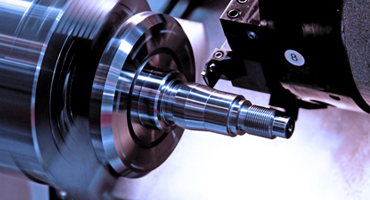
- CNC Milling: This is the primary method used to shape the mold's core and cavity. A computer-controlled rotary cutting tool removes material from a block of steel or aluminum to create the main channels and complex geometries with high precision.
- Electrical Discharge Machining (EDM): Also known as spark erosion, EDM is used to create intricate features that are difficult or impossible to achieve with conventional milling. This process uses electrical discharges to erode the metal, allowing for the creation of sharp internal corners, deep ribs, and fine details in hardened steel.
- Grinding and Polishing: After the main features are machined, the mold surfaces are ground and polished to achieve the desired surface finish. This final step is crucial for the aesthetic quality of the molded part, ranging from a rough matte texture to a flawless mirror polish.
Ensuring Quality and Consistency in Your Custom Part Production
Once the mold is complete and production begins, the focus shifts to maintaining strict quality control. A robust quality assurance system is essential for delivering reliable parts that consistently meet specifications batch after batch.
Rigorous Testing and Adjustments for Flawless Custom Part Performance
Before full-scale production, a First Article Inspection (FAI) is conducted on the initial samples from the mold. This comprehensive review ensures that the parts meet all dimensional and functional requirements. Any discrepancies are identified and the mold or process parameters are adjusted accordingly. This iterative process of testing and adjustment continues until the part is perfected.
Monitoring Raw Materials and Process Parameters for Your Custom Part
Consistency starts with the inputs.
- Raw Material Inspection: The quality of the plastic resin directly impacts the final part. Each batch of raw material should be inspected upon arrival to verify its composition, properties, and dimensional accuracy, ensuring it meets specifications.
- Process Parameter Monitoring: Modern injection molding machines use sensors and software to monitor critical process parameters like temperature, pressure, and injection speed in real time. Maintaining consistent parameters is key to producing dimensionally accurate and stable parts.
Product Inspection: Dimensions, Functionality, and Aesthetics
Throughout the production run, regular inspections are conducted to ensure ongoing quality. This involves:
- Dimensional Inspection: Using precision tools like calipers, micrometers, and Coordinate Measuring Machines (CMMs), inspectors verify that the part's critical dimensions are within the specified tolerances.
- Visual Inspection: Parts are checked for aesthetic defects such as scratches, flow lines, weld lines, warping, or inconsistent color and gloss.
- Functional Testing: Where applicable, parts are tested to ensure they perform as intended under simulated real-world conditions, confirming their strength, fit, and overall functionality.
By establishing a thorough traceability system, manufacturers can document the entire process for each part, from raw material to final inspection, ensuring accountability and simplifying any future issue resolution. This comprehensive approach to quality ensures that every custom part delivered is flawless.
Partnering with the Right Manufacturer for Your Custom Part Injected ABS/PC Project
The success of a custom injection molding project depends not just on the quality of your design but equally on the capability and reliability of your manufacturing partner. Selecting the right manufacturer is a long-term investment in your product's stability and quality. A great partner does more than just produce parts; they act as an extension of your team, providing expertise, ensuring transparency, and helping you navigate the complexities of production from concept to completion.
Why Expertise Matters in Custom Part Injection Molding
Injection molding is a precise and complex process where slight deviations can lead to defects, waste, and costly delays. A manufacturer's expertise is critical to mitigating these risks and ensuring a successful outcome. This expertise isn't just about owning machinery; it encompasses deep knowledge of materials, tooling design, and process optimization.
Leveraging Technical Experience and Advanced Machinery
An experienced manufacturer brings invaluable knowledge to your project.
- Technical Knowledge: Seasoned engineers understand the subtle nuances of different resins, like ABS and PC. They can provide crucial guidance on material selection based on your part's application, predicting how a material will behave under specific molding conditions and in its end-use environment. This expertise is vital for preventing issues like warping, shrinkage, or material degradation.
- Advanced Equipment: Modern manufacturing relies on state-of-the-art technology. A top-tier partner invests in advanced machinery, from high-speed CNC machines for mold making to sophisticated injection molding presses with real-time process monitoring. Technologies like AI and smart sensors are increasingly used to optimize processes, ensuring every part is produced with precision and consistency.
A Track Record of Success Across Diverse Industries for Custom Part Injected ABS/PC
A manufacturer's experience across various industries is a strong indicator of their versatility and reliability. A partner with a proven track record in demanding sectors like automotive, medical devices, and consumer electronics has likely tackled a wide range of complex challenges. This cross-industry experience demonstrates their ability to meet stringent quality standards, handle diverse materials (including high-performance PC/ABS blends), and solve problems creatively. Ask potential partners for case studies or examples of past projects that are relevant to your own.
Full-Process Services: From Design to Mass Production for Your Custom Part
Choosing a manufacturer that offers end-to-end services creates a seamless, efficient workflow from the initial idea to the final delivery. A full-service partner can manage every stage of the product life cycle, which simplifies communication and ensures a cohesive strategy.
Optimizing Your Custom Part Design for Manufacturability and Cost-Effectiveness
The most effective way to control costs and ensure quality is to optimize the part design before any tooling is made. A manufacturing partner with strong Design for Manufacturability (DFM) expertise will:
- Provide a comprehensive design review to identify potential flaws.
- Suggest modifications that enhance manufacturability, such as adjusting wall thickness, adding draft angles, or simplifying complex geometries.
- Help reduce material usage and shorten cycle times, leading to significant cost reductions over the life of the project. This collaborative approach bridges the gap between design intent and manufacturing reality, preventing costly rework and delays.
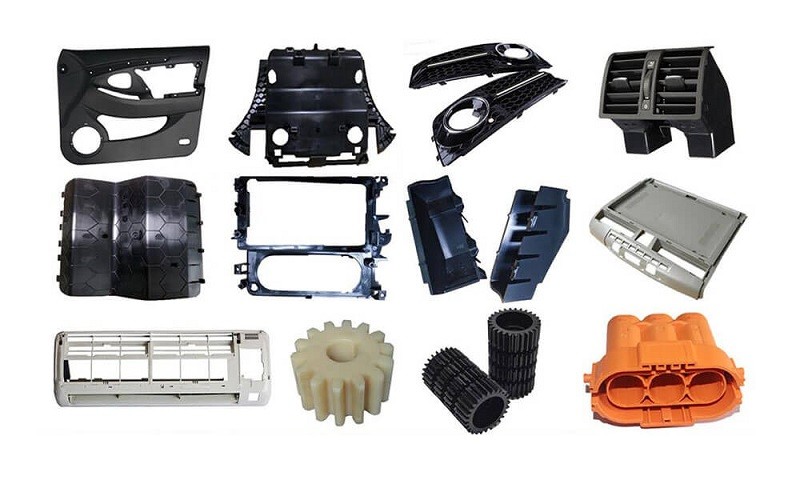
In-House Mold Production and Advanced Processing Equipment
A manufacturer with in-house mold-making capabilities offers significant advantages.
- Faster Turnaround: Building tools in-house provides greater control over the timeline, reducing lead times for both new molds and modifications.
- Seamless Integration: When the same team designs the part, builds the mold, and runs production, communication is streamlined. The toolmakers have intimate knowledge of the molding presses and processes, ensuring the mold is built for optimal performance.
- Advanced Capabilities: Look for a partner with a well-equipped tool room, including CNC mills, EDM machines, and advanced inspection equipment. On the production floor, a wide range of injection molding machines (in various tonnages) indicates the capacity to handle parts of different sizes and complexities.
Transparent Communication and Cost Optimization for Your Custom Part Injected ABS/PC
Clear communication and transparent pricing are the bedrock of a healthy partnership. You should feel confident that you understand all costs involved and that your partner is working with you to achieve the best possible value.
Understanding Quotes and Avoiding Hidden Costs
Injection molding quotes can vary widely between suppliers, and the cheapest option is rarely the best. A comprehensive quote should break down costs clearly. Be wary of quotes that seem too low, as they may exclude critical expenses. It's important to ask what is included, such as:
- Tooling costs (including mold steel grade and expected lifespan).
- Production Part Approval Process (PPAP) fees.
- Setup charges, shipping, and tariffs.
- Mold maintenance and storage fees.
A transparent partner will provide a detailed quote and explain the reasoning behind their choices, allowing you to make an informed, apples-to-apples comparison.
The Importance of Accurate Technical Drawings for Custom Part Projects
Accurate and detailed technical drawings are the universal language of manufacturing. They serve as the definitive contract for what needs to be produced. A complete drawing includes all necessary information, such as dimensions, tolerances, material specifications, and surface finish requirements. This eliminates ambiguity and ensures that everyone—from the toolmaker to the quality inspector—is on the same page. Inaccurate or incomplete drawings are a primary source of production delays, errors, and increased costs. A good manufacturing partner will insist on and help finalize a complete and accurate set of technical drawings before kicking off a project.
By prioritizing expertise, full-service capabilities, and transparent communication, you can select a manufacturing partner who will not only produce high-quality custom parts but also contribute to the overall success and profitability of your project.
Choosing the right ABS/PC custom part for your injection molding project involves a careful balance of material properties, design considerations, and manufacturing expertise. By understanding the unique strengths of ABS, PC, and their blends, optimizing your design for manufacturability, and selecting the appropriate finishing techniques, you can ensure a successful outcome that meets your product's specific requirements. From durability and heat resistance to aesthetic appeal and cost-effectiveness, every decision plays a role in the final product's performance and market reception.
From the initial concept to final production, having a trusted partner is invaluable. We at SOMI Custom Parts are a leading manufacturer of ABS/PC custom parts, providing comprehensive injection molding solutions to clients worldwide. Our team of experts is dedicated to guiding you through every stage of the process, ensuring your vision is transformed into a high-quality, reliable, and cost-effective reality. By fostering transparent communication and leveraging our deep technical experience, we help you navigate the complexities of manufacturing to achieve your project goals. If you're ready to bring your next project to life, we encourage you to reach out and see how our expertise can benefit you.
We hope this guide has been informative. Please feel free to share it with your colleagues and start a conversation about your next great product