Choosing Your Sustainable SLA 3D Printing Supplier: A Guide to Eco-Friendly, High-Performance Parts
The New Imperative: Why Sustainability in Manufacturing Matters
Across every industry, from aerospace to consumer goods, the call for sustainable manufacturing is no longer a niche interest but a core business imperative. Companies are under increasing pressure to reduce their ecological footprint, minimize waste, and create more responsible supply chains. This shift is driven by consumer demand, regulatory requirements, and a growing understanding that sustainable practices often lead to greater efficiency and innovation. As a leader in Stereolithography (SLA) parts production, we recognize our role in this transition. Choosing a supplier who embeds sustainability into their operations is not just an ethical choice; it's a strategic partnership that enhances brand value, reduces risk, and future-proofs your products.
SLA 3D Printing's Edge: Additive Manufacturing and Waste Reduction
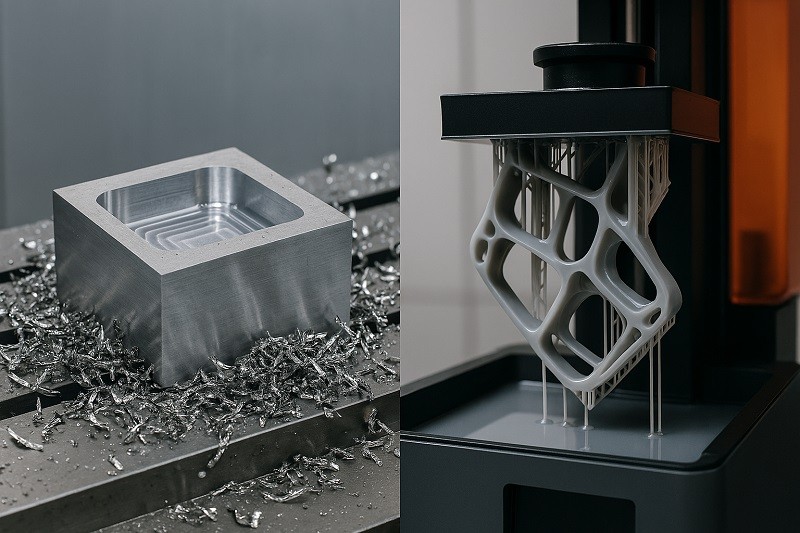
The foundational benefit of all 3D printing, including SLA, is its nature as an additive process. Unlike traditional subtractive manufacturing, where a final shape is carved from a solid block of material (creating significant scrap), SLA builds objects layer by layer. This means that material is only placed precisely where it's needed. The result is a dramatic reduction in material waste, with some studies suggesting additive processes can cut raw material requirements by up to 90% compared to conventional methods. By choosing an expert SLA supplier, you are already selecting a technology that is inherently less wasteful and more efficient from the ground up.
Beyond Petroleum: The Rise of Bio-Based and Eco-Friendly Resins
The heart of SLA printing is the photopolymer resin, and this is where the most significant sustainable innovations are taking place. While traditional resins are derived from fossil fuels, the industry is rapidly advancing a new generation of eco-friendly alternatives. These include:
- Bio-Based Resins: Developed from renewable resources like soybean oil, corn, or even tree waste, these resins reduce our reliance on petroleum. They are a key component in creating a more circular economy.
- Recyclable Resins: Formulations designed to be more easily recycled after a product's end-of-life, helping to close the material loop.
- Durable Formulations: Creating parts with superior longevity reduces the need for frequent replacements, minimizing the environmental impact associated with manufacturing new components.
As your supplier, we are committed to sourcing and validating these advanced materials, offering you a choice that aligns with your sustainability goals without compromising on performance.
A Note on "Greenwashing": What "Eco-Friendly Resin" Truly Means
Transparency is a cornerstone of true sustainability. It's important to understand that even "eco-friendly" and "plant-based" resins are not without environmental considerations. The photocurable elements that allow the liquid resin to solidify are still chemically active and must be handled responsibly. Uncured resin, regardless of its source, should never be disposed of down the drain as it can be harmful to aquatic life. A trustworthy supplier will be transparent about this, providing clear guidance on the proper handling and disposal of materials. They will also have robust internal processes for handling waste resin, ensuring it is fully cured into a solid, inert state before disposal, a critical step that casual users might overlook.
The Role of a Supplier in Minimizing Process Waste
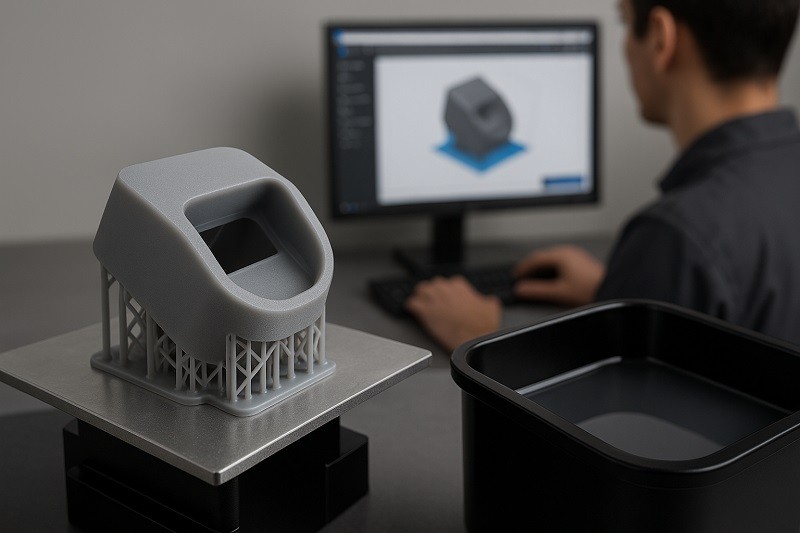
A dedicated SLA supplier's responsibility extends beyond material selection. We actively minimize waste throughout the entire production workflow. This involves sophisticated software and expert engineering to optimize part orientation and support structures. By intelligently designing these temporary supports, we use less material and reduce the post-processing time and labor required to remove them. Furthermore, we implement rigorous processes for vat management, ensuring that unused resin is properly maintained and reused for subsequent builds, preventing unnecessary waste and reducing overall material consumption.
Understanding the Full Picture: The Importance of Life Cycle Assessment (LCA)
To truly measure the environmental impact of a product, we must look at its entire lifecycle. A Life Cycle Assessment (LCA) is a comprehensive methodology that evaluates the environmental impact of a part from raw material extraction, through manufacturing and use, to its final disposal or recycling. A forward-thinking supplier will be knowledgeable about LCA principles and can work with you to understand the cradle-to-gate impact of your components. This includes analyzing factors like the energy consumption of the printers, the impact of material sourcing, and the emissions associated with transportation. This data-driven approach moves beyond marketing claims to provide a verifiable measure of sustainability.
Lightweighting and Part Optimization: Designing for Sustainability and Performance
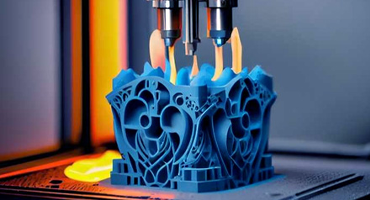
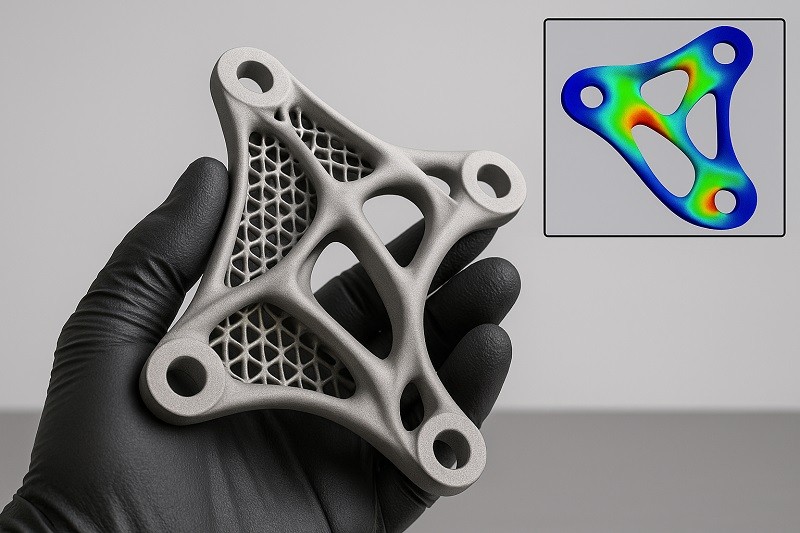
SLA technology excels at creating incredibly complex geometries that are impossible to produce with traditional methods. This capability is a powerful tool for sustainability. We can work with you to design parts that are topologically optimized or feature intricate lattice structures. This process, known as lightweighting, maintains or even increases a part's strength while drastically reducing its material volume and weight. In sectors like automotive and aerospace, a lighter part leads to significant fuel savings over its operational life, compounding the environmental benefits that began in the manufacturing phase.
Reducing Carbon Footprints with On-Demand Localized Production
The traditional manufacturing model often involves producing massive quantities of parts in a central location and shipping them globally, leading to substantial transportation emissions and the risk of wasted inventory. As a localized production partner, we enable an on-demand manufacturing model. You can order the exact quantity of parts you need, precisely when you need them. This eliminates the need for large, energy-intensive warehouses to store unsold stock and drastically cuts down on the carbon footprint associated with a long, complex supply chain.
Closing the Loop: End-of-Life Considerations and Recyclability
The sustainability journey doesn't end when a part is delivered. We are actively engaged in finding solutions for the end-of-life phase of SLA components. While the thermoset nature of cured resins makes them traditionally difficult to recycle, innovations are underway. We support the use of resins that are designed for longevity and can collaborate on strategies for product take-back programs or repurposing. By producing durable, long-lasting parts and investigating future recycling pathways, we contribute to a more circular economy where materials are kept in use for as long as possible.
How to Vet a Sustainable SLA Parts Supplier
When choosing a partner for your next project, it's essential to look beyond the price per part. A truly sustainable supplier will demonstrate their commitment through their processes, materials, and transparency. Use this table as a guide to ask the right questions:
| Feature | Standard Supplier | Sustainable Supplier |
|---|---|---|
| Material Offering | Primarily offers standard, petroleum-based resins. | Offers a validated portfolio of bio-based, plant-derived, and high-durability resins. |
| Waste Management | Basic disposal of waste materials. | Has a documented process for minimizing supports, reusing uncured resin, and proper disposal. |
| Transparency | Makes broad, undefined "green" claims. | Provides specific data on material origins and is transparent about handling requirements. |
| Process Optimization | Focuses solely on print speed. | Optimizes for material efficiency, lightweighting, and reduced energy consumption. |
| Supply Chain | Relies on long, global supply chains. | Enables localized, on-demand production to reduce shipping and inventory waste. |
| Lifecycle Perspective | Focuses only on the production of the part. | Understands LCA principles and considers the part's full impact from cradle to grave. |
Partner with Us for Your Sustainable Manufacturing Needs
Embracing sustainability in SLA 3D printing is a collaborative effort between you and your parts supplier. By partnering with an expert team that prioritizes eco-friendly materials, waste reduction, and a science-based approach to environmental impact, you gain more than just a high-quality part. You gain a competitive advantage, a more resilient supply chain, and a story of innovation you can proudly share with your customers. Contact us today to discuss how we can make your next project a model of sustainable manufacturing.