Choosing Your CNC Machined Parts Manufacturer: A Guide for the Automotive and Medical Sectors
Choosing Your CNC Machched Parts Manufacturer: An In-Depth Guide for the Automotive and Medical Sectors
In high-stakes industries like automotive and medical, the quality of a single component can determine performance, safety, and success. The smallest imperfection in an engine part or a surgical instrument is not an option. This is where the precision of Computer Numerical Control (CNC) machining becomes indispensable. However, the quality of a CNC machined part is directly tied to the expertise and capabilities of the manufacturer. Choosing the right partner is a critical strategic decision that impacts everything from prototype development to full-scale production. This guide will walk you through the essential factors to consider when selecting a CNC machined parts manufacturer, ensuring your projects are built on a foundation of precision, reliability, and innovation.
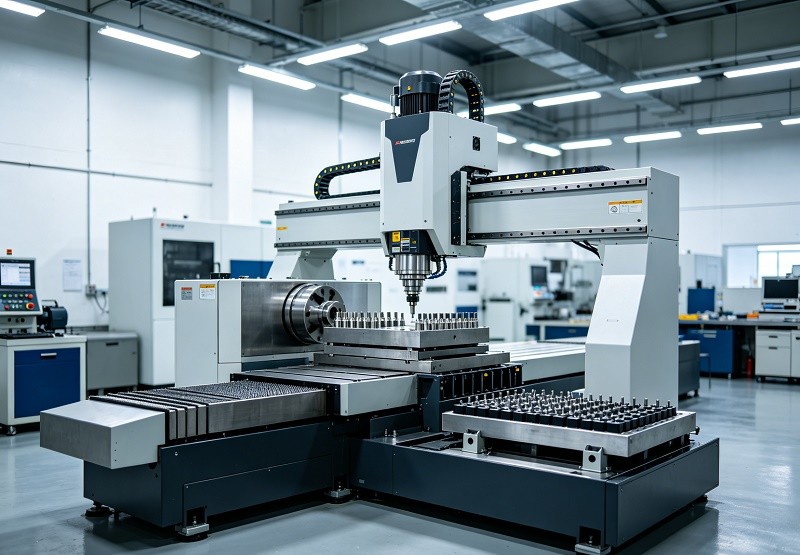
What is CNC Machining and Why is it Essential?
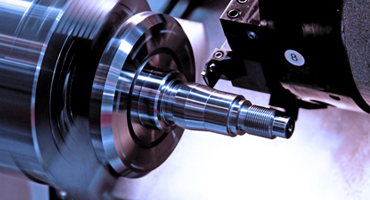
CNC machining is a subtractive manufacturing process that uses computer-controlled machines to remove material from a solid block, creating highly precise parts based on a digital design. Unlike manual processes, CNC machining offers unparalleled accuracy, consistency, and repeatability. This technology can produce complex geometries with extremely tight tolerances—often measured in microns—making it vital for industries where performance and safety are non-negotiable.
The Role of Precision CNC Machining in the Automotive Industry
The automotive industry has long relied on CNC machining to drive innovation, from improving engine efficiency to enhancing vehicle safety. The process is used for both rapid prototyping and mass production of critical components. Its ability to work with a wide range of materials and deliver identical parts in high volumes makes it a cornerstone of modern vehicle manufacturing.
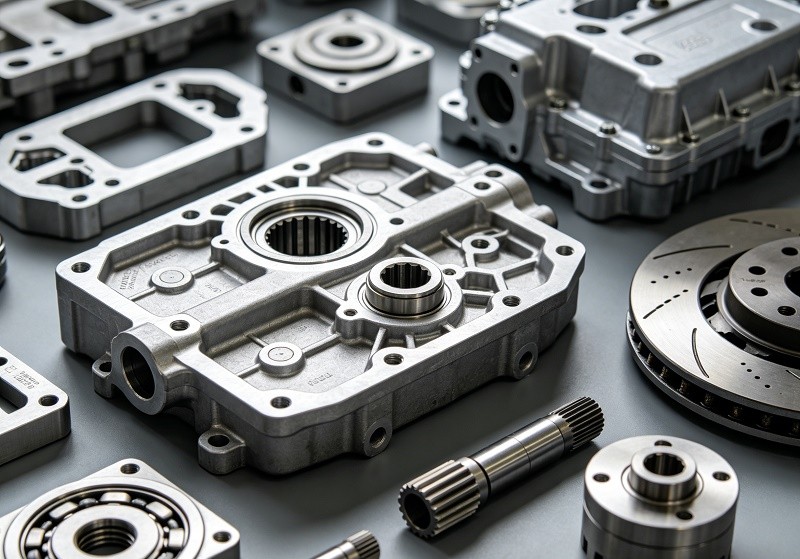
Key Automotive Applications Demanding CNC Machining
- Engine Components: Parts like engine blocks, cylinder heads, pistons, and crankshafts require extreme precision to ensure optimal performance, fuel efficiency, and longevity.
- Transmission Systems: Gears, shafts, and housings must be machined to tight tolerances for smooth power transfer and reliability.
- Suspension and Brake Systems: Safety-critical components such as brake calipers, rotors, and suspension arms are manufactured using CNC to withstand extreme stress and ensure consistent performance.
- Electric Vehicle (EV) Parts: CNC machining is crucial for producing lightweight and complex EV components, including battery enclosures, motor housings, and cooling systems.
How CNC Machining Revolutionizes the Medical Field
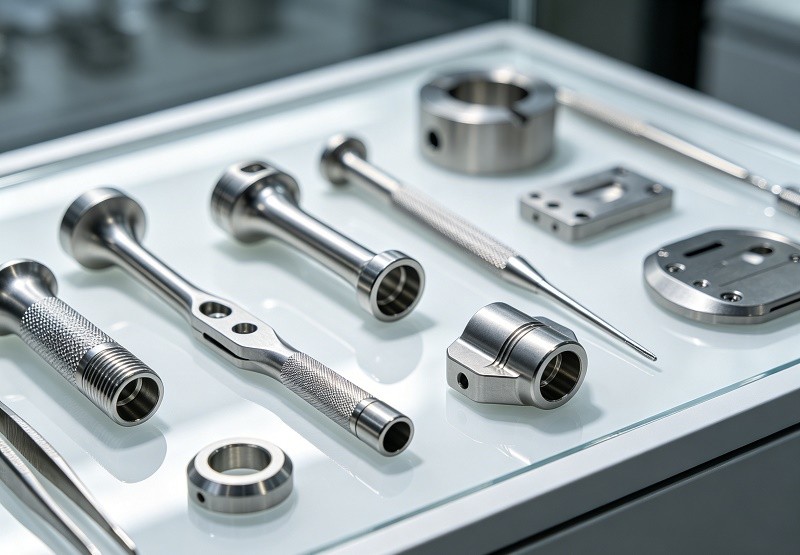
In the medical device industry, precision isn't just a goal; it's a life-saving requirement. CNC machining enables the creation of complex surgical instruments, custom implants, and intricate components for diagnostic equipment. The process guarantees the biocompatibility, sterility, and perfect fit necessary for devices that interact with the human body.
Life-Saving Medical Applications of CNC Machining
- Orthopedic Implants: Custom hip, knee, and spinal implants are machined to precisely match a patient's anatomy, improving comfort and long-term success.
- Surgical Instruments: Tools like scalpels, forceps, and clamps are machined to have sharp, durable edges and ergonomic designs, enhancing a surgeon's accuracy.
- Diagnostic Equipment: High-precision components for MRI and CT scanners ensure the clarity and reliability of medical imaging.
- Micromachining: The technology is capable of producing minute parts for devices like pacemakers and insulin pumps.
Material Expertise: A Cornerstone of a Great Manufacturer
A top-tier manufacturer possesses deep knowledge of how different materials behave under machining. Their ability to recommend and work with a wide spectrum of metals and plastics is critical. This expertise ensures the final product has the required strength, weight, corrosion resistance, and biocompatibility.
| Material Category | Common Examples | Key Properties & Applications |
|---|---|---|
| Metals | Stainless Steel (316L), Titanium (Grade 5), Aluminum (6061), Cobalt-Chrome | High strength, corrosion resistance, biocompatibility. Ideal for surgical tools, implants, and durable automotive parts. |
| Plastics | PEEK, Ultem, Medical-Grade Polycarbonate, Delrin | Lightweight, sterilizable, chemical resistance, excellent machinability. Used for disposable devices, instrument handles, and housings. |
Hallmarks of a Premier CNC Machined Parts Manufacturer
Not all CNC shops are created equal. When evaluating potential partners, look for these key indicators of a high-quality manufacturer:
- Advanced Technology and Equipment: The best manufacturers invest in modern, multi-axis (e.g., 3-axis and 5-axis) CNC machines. This technology allows for the creation of highly complex geometries in a single setup, improving accuracy and efficiency.
- Robust Quality Control and Certifications: Look for internationally recognized certifications which demonstrate a commitment to quality. Key certifications include:
- ISO 9001: A general quality management standard.
- ISO 13485: Specific to quality management for medical devices.
- AS9100: Required for aerospace, but indicates a high level of precision applicable to automotive.
- Proven Industry Experience: A manufacturer with a portfolio of successful projects in the automotive or medical fields will understand the unique challenges and regulatory requirements of your industry.
Beyond Manufacturing: The Value of a True Partner
A great manufacturer acts as more than just a supplier; they are a strategic partner. This includes providing engineering support and Design for Manufacturability (DFM) feedback. This collaborative approach helps optimize designs for efficiency, reduce costs, and accelerate time-to-market by identifying potential production issues before they arise.
The Future is Precise: Partnering for Success
As the automotive and medical industries continue to evolve, the demand for more complex, precise, and reliable components will only grow. The shift towards EVs and personalized medicine highlights the increasing need for advanced manufacturing capabilities. Selecting a CNC machined parts manufacturer is a long-term investment in your product’s quality and your company's success. By prioritizing expertise, technology, quality, and partnership, you can build a supply chain that is resilient, innovative, and capable of meeting the demands of tomorrow.