Car Brakes and Accessories: The Ultimate Guide for Braking System Components Suppliers
As a leading Braking System Components Supplier, we understand that car brakes are foundational to vehicle safety, yet their intricate workings are often misunderstood. This guide aims to demystify the core components of a braking system, helping you, our valued partners and customers, gain a deeper understanding. From the nuanced mechanics of brake calipers to the critical role of brake fluid, every component works in harmony to ensure your vehicle stops effectively and safely. We'll explore these elements in detail, highlighting their importance from the perspective of a dedicated Braking System Components Supplier.
Join us as we drive into the world of automotive braking, providing insights that are crucial for anyone involved in manufacturing, supplying, or simply appreciating high-quality vehicle parts.
Understanding the Core Components of a Braking System: A Braking System Components Supplier's Perspective
A vehicle's braking system is a complex network of parts all working in concert to ensure you can slow down and stop safely. From the moment you press the brake pedal, a sequence of hydraulic and mechanical actions takes place. As a premier supplier, we believe a foundational knowledge of these core components is essential for both service professionals and discerning drivers.
Brake Calipers: The Heart of Disc Brakes
At the core of modern disc brake systems lies the brake caliper, an assembly that plays a pivotal role in converting hydraulic pressure into the mechanical force needed to stop a vehicle. It is arguably one of the most critical parts responsible for your car's ability to stop.
What Are Brake Calipers?
A brake caliper is a key component of a disc brake system that houses the brake pads and pistons. Its primary function is to act like a clamp, squeezing the brake pads against the spinning brake rotors (or discs) attached to the wheels. When a driver presses the brake pedal, hydraulic fluid is sent from the master cylinder through a series of hoses to the caliper. This fluid pressure activates pistons within the caliper, which then force the brake pads to make contact with the rotor, creating the immense friction required to slow the vehicle's momentum. This process effectively converts the car's kinetic energy into thermal energy, which is then dissipated, bringing the vehicle to a controlled stop.
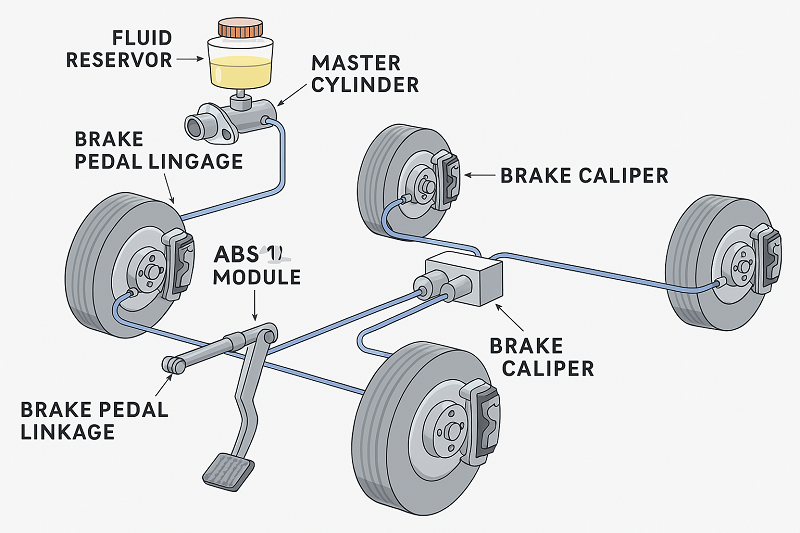
Anatomy of a Caliper: Pistons, Pads, and Housing
While they may seem like single units, brake calipers are assemblies of several crucial parts working together. Understanding this anatomy is key to appreciating their function and maintenance needs.
- Caliper Housing: This is the main body or shell of the caliper, typically made from robust materials like cast iron or aluminum to withstand the immense heat and force generated during braking. It acts as the structural foundation, enclosing the other internal components.
- Pistons: These are cylindrical components that sit inside the caliper housing. When hydraulic pressure from the brake fluid is applied, these pistons move outward, pushing the brake pads against the rotor. Calipers can have one or multiple pistons; high-performance models often feature several pistons to apply greater and more even force.
- Brake Pads: Housed within the caliper, these are metal plates with a high-friction material bonded to one side. It is this friction material that makes direct contact with the rotor to slow the wheel.
- Seals and Dust Boots: Piston seals are critical for preventing brake fluid from leaking out and for maintaining hydraulic pressure. Dust boots serve to protect the pistons from contaminants like dirt, water, and road debris, which could otherwise cause corrosion and impede movement.
- Bleeder Screw (or Bleeder Valve): This small screw allows air and old brake fluid to be purged from the hydraulic system during a process known as "brake bleeding," which is essential for maintaining a firm brake pedal and optimal performance.
- Caliper Bracket and Slide Pins (for floating calipers): The bracket securely mounts the caliper to the vehicle's suspension knuckle, while lubricated slide pins allow a floating caliper to move side-to-side.
Fixed vs. Floating Calipers: Design and Functionality
Brake calipers are generally available in two primary designs: fixed and floating (also known as sliding). The choice between them often depends on the vehicle's intended use, performance requirements, and cost considerations.
Fixed Calipers are mounted rigidly to the vehicle's suspension and do not move. They feature pistons on both the inboard and outboard sides of the caliper, which press the brake pads against the rotor from opposite directions simultaneously. This design ensures even pressure distribution and consistent pad-to-rotor contact, resulting in superior braking performance and pedal feel. Because of their rigidity and enhanced stopping power, fixed calipers are commonly found on high-performance, luxury, and heavy-duty vehicles. They can house multiple pistons (from two to as many as eight or more), further increasing the clamping force for demanding situations.
Floating Calipers, the more common type on modern passenger cars, are designed to move or "float" relative to the rotor. They typically have a piston (or two) on only the inboard side. When the brakes are applied, the piston pushes the inner brake pad against the rotor. Simultaneously, this action causes the entire caliper to slide inward along guide pins, pulling the outer brake pad into contact with the other side of the rotor. This design is simpler, lighter, and more cost-effective to manufacture, making it a practical choice for the majority of everyday vehicles where extreme braking performance is not the primary requirement.
To better illustrate the differences, here is a comparative table:
| Feature | Fixed Caliper | Floating (Sliding) Caliper |
|---|---|---|
| Mounting | Rigidly bolted to the axle assembly; does not move. | Mounted on pins or guides, allowing it to slide side-to-side. |
| Piston Design | Pistons on both inboard and outboard sides. | Piston(s) on the inboard side only. |
| Performance | Superior stopping power, better heat management, and more consistent pedal feel. Ideal for high-performance and heavy-duty use. | Adequate for most everyday driving conditions but may be less effective under extreme stress. |
| Cost | More expensive to manufacture and maintain due to complexity and more components. | More cost-effective to produce and simpler to maintain. |
| Complexity | More complex, with multiple opposing pistons. | Simpler design with fewer moving parts, though dependent on lubricated slide pins. |
| Common Use | Sports cars, luxury vehicles, trucks, motorsports applications. | The vast majority of passenger cars and light trucks. |
While fixed calipers offer greater performance, floating calipers are highly reliable and sufficient for the demands of regular commuting. However, the sliding mechanism of floating calipers requires proper lubrication of the guide pins to prevent sticking, which can lead to uneven brake pad wear.
Brake Pads and Rotors: The Friction Providers
While calipers provide the clamping force, the real work of stopping a vehicle happens at the point of contact between the brake pads and brake rotors. These two components are designed to create immense friction, converting a car's forward motion into heat. The materials and design of both are critical to braking efficiency, noise, and durability.
Brake Pads: Types and Materials
Brake pads consist of a steel backing plate bonded with a friction material on the surface that faces the brake rotor. When the caliper applies pressure, this friction material is pressed against the rotor, generating the force needed to slow the wheel's rotation. The composition of this friction material is the single most significant factor in a brake pad's performance characteristics. There are three primary types of brake pad materials.
Organic Brake Pads: Also known as Non-Asbestos Organic (NAO) pads, these are made from a mixture of fibers, such as rubber, carbon compounds, glass, and resins, to bind everything together.
- Pros: They are generally the quietest and produce less dust. Their softer composition is also gentler on brake rotors, leading to less wear. They are often the most affordable option, making them a popular choice for daily-driven passenger cars.
- Cons: Organic pads tend to wear out faster than other types. They are also less effective at dissipating high levels of heat, which can lead to a phenomenon called "brake fade"—a temporary loss of braking power during aggressive or prolonged use.
Semi-Metallic Brake Pads: These pads contain a high percentage of metals, such as steel, iron, and copper, mixed with graphite and other fillers.
- Pros: Semi-metallic pads are highly durable and offer excellent braking performance across a wide range of temperatures. Their ability to handle heat makes them suitable for performance driving and heavy-duty applications. They also provide a firm, responsive brake pedal feel.
- Cons: The trade-off for this performance is often increased noise and more brake dust, which can be corrosive to wheels if not cleaned regularly. Their harder composition also causes more wear on the brake rotors compared to other pad types.
Ceramic Brake Pads: Composed of dense ceramic material (similar to pottery) embedded with copper fibers, these represent a more modern advancement in friction technology.
- Pros: Ceramic pads are renowned for their quiet operation and producing a fine, light-colored dust that doesn't stick to wheels. They offer a long service life and stable performance across various temperatures, with less wear on rotors.
- Cons: They are typically the most expensive option. While excellent for daily driving, they may not dissipate heat as effectively as semi-metallic pads in extreme situations like racing or heavy towing. They can also have a less aggressive initial "bite," especially in very cold conditions.
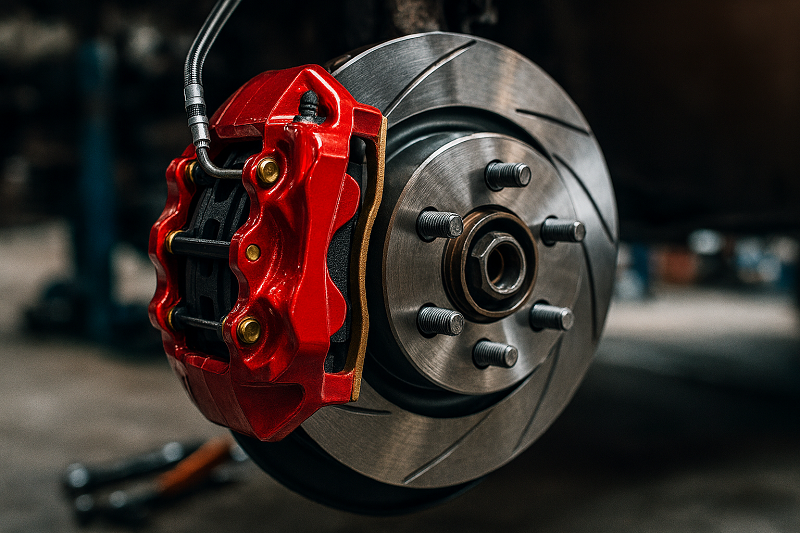
Brake Rotors (Discs): Materials and Performance
Brake rotors are the metal discs that are attached to and spin with the wheels. The vast majority of rotors are made from cast iron due to its excellent heat dissipation capabilities and cost-effectiveness. However, for high-performance applications, other materials are used, including steel, high-carbon iron, and advanced carbon-ceramic composites, which offer superior heat resistance and significant weight savings at a much higher cost.
Beyond materials, the surface design of a rotor significantly impacts performance:
Smooth (or Plain) Rotors: These have a flat, solid surface and are the standard for most passenger vehicles. They offer quiet, consistent braking and maximum surface area for the pads to contact, making them durable and reliable for everyday driving.
Drilled Rotors: These rotors feature holes drilled across the braking surface. The primary benefit is improved heat and water dissipation. The holes allow hot gases and water to escape from between the pad and rotor, which helps reduce brake fade and improves performance in wet conditions. However, under extreme stress, such as racing, the areas around the holes can become weak points and develop cracks.
Slotted Rotors: Instead of holes, these rotors have slots machined into the surface. These slots act to channel away gas, water, and brake dust, ensuring a clean and consistent contact patch between the pad and rotor. This action helps prevent pad glazing and provides a more aggressive bite. Slotted rotors are very durable and are often preferred for trucks, SUVs, and track vehicles, though they can increase brake pad wear.
Drilled and Slotted Rotors: This hybrid design aims to offer the best of both worlds—the superior heat dissipation of drilled rotors and the pad-cleaning benefits of slotted rotors. They are a popular choice for owners seeking an aggressive look combined with enhanced braking performance for street and occasional track use.
The choice of rotor should align with the vehicle type and driving style. For a daily commuter, smooth rotors are perfectly adequate. For a heavy-duty truck or a performance-oriented car, an upgrade to slotted or drilled & slotted rotors can provide meaningful benefits in stopping power and heat management.
Brake Fluid and Master Cylinder: The Hydraulic Connection
The components that create friction are only one half of the braking equation. The other half is the hydraulic system that transmits the force from your foot on the brake pedal to the calipers at the wheels. This system, a marvel of fluid dynamics, relies on the master cylinder, brake lines, and the incompressible nature of brake fluid to multiply and deliver force with precision.
The Role of Brake Fluid in Hydraulic Systems
Brake fluid is a specially formulated hydraulic fluid that is responsible for transferring the force applied to the brake pedal into pressure that activates the brakes at the wheels. The entire principle of hydraulic braking is based on a fundamental law of physics: liquids are not appreciably compressible. When you press the brake pedal, you are creating force within a sealed system. This force is transmitted instantaneously and evenly throughout the brake fluid to the calipers (or wheel cylinders in drum brakes), where it multiplies the force and brings the vehicle to a stop.
Beyond just transmitting pressure, brake fluid also serves other crucial functions:
- Corrosion Prevention: Most common brake fluids are glycol-based and hygroscopic, meaning they absorb moisture from the atmosphere. This property helps prevent water from pooling in the system, where it could cause rust and corrosion of metal components like calipers and brake lines.
- Lubrication: It lubricates the moving parts within the braking system, including caliper pistons and ABS (Anti-lock Braking System) valves, ensuring they operate smoothly.
- Temperature Stability: Braking generates extreme heat. Brake fluid must have a high boiling point to resist vaporizing under these conditions. If the fluid were to boil, it would create gas bubbles in the lines. Since gas is compressible, this would lead to a soft, "spongy" brake pedal and a severe loss of braking power, a dangerous condition known as brake fade.
There are several types of brake fluid, classified by the Department of Transportation (DOT) based on their chemical composition and boiling points:
| Brake Fluid Type | Chemical Base | Dry Boiling Point (Min) | Wet Boiling Point (Min) | Key Characteristics |
|---|---|---|---|---|
| DOT 3 | Glycol Ether | 401°F (205°C) | 284°F (140°C) | The most common fluid for standard vehicles. It is hygroscopic (absorbs water). |
| DOT 4 | Glycol Ether / Borate Ester | 446°F (230°C) | 311°F (155°C) | Higher boiling points than DOT 3, often used in performance or heavy-duty applications. Also hygroscopic. |
| DOT 5 | Silicone-Based | 500°F (260°C) | 356°F (180°C) | Does not absorb water (hydrophobic). Cannot be mixed with glycol-based fluids. Used in classic cars or specialty applications. Not compatible with most ABS. |
| DOT 5.1 | Glycol Ether / Borate Ester | 500°F (260°C) | 356°F (180°C) | Has the high boiling points of DOT 5 but is glycol-based, making it compatible with DOT 3 and DOT 4 systems. |
"Dry boiling point" refers to the boiling point of fresh, uncontaminated fluid, while "wet boiling point" is the boiling point after the fluid has absorbed a certain amount of moisture.
Master Cylinder: Generating Hydraulic Pressure
The brake master cylinder is the heart of the hydraulic brake system. It is the component directly connected to the brake pedal (often via a brake booster) and is responsible for converting the mechanical force of your foot into hydraulic pressure.
Here's how it works:
- When you press the brake pedal, a pushrod connected to the pedal moves a set of pistons inside the master cylinder's bore.
- Modern master cylinders are tandem designs, meaning they have two separate pistons and circuits for safety. One circuit typically controls the front brakes and the other controls the rear brakes (or a diagonal split). If one circuit fails due to a leak, the other can still provide some braking power.
- As the pistons move, they compress the brake fluid stored in an attached reservoir.
- Since the fluid is incompressible, this action generates immense hydraulic pressure, which is then forced out of the master cylinder and into the brake lines.
A failing master cylinder is a critical safety issue, often signaled by a brake pedal that feels spongy or sinks slowly to the floor.
Brake Lines and Hoses: Ensuring Fluid Delivery
Brake lines and hoses are the arteries and veins of the hydraulic system, responsible for carrying the high-pressure brake fluid from the master cylinder to each wheel.
- Brake Lines (Hard Lines): These are rigid tubes, typically made of double-walled steel, that run along the vehicle's frame and underbody. Steel is used for its strength and ability to withstand the high pressures of the system and resist damage from road debris. Many modern steel lines are also coated with materials like zinc or Polyvinyl Fluoride (PVF) to provide crucial resistance against rust and corrosion.
- Brake Hoses (Flexible Lines): Where the rigid lines meet the wheels, a flexible hose is needed to allow for the movement of the suspension and steering. Standard factory hoses are made of durable rubber. While cost-effective and reliable for everyday use, rubber can expand slightly under extreme pressure, which can contribute to a spongy pedal feel. Over time, rubber can also crack, swell, or deteriorate. For performance applications, an upgrade to braided stainless steel brake hoses is common. These feature a Teflon inner tube wrapped in a mesh of braided steel. This design prevents the hose from expanding under pressure, resulting in a firmer, more responsive brake pedal and improved durability.
Together, these components create a closed and robust network, ensuring the pressure generated at the master cylinder is delivered efficiently and reliably to the calipers to stop your vehicle.
Brake Boosters: Enhancing Stopping Power
Have you ever driven an older vehicle without power brakes? If so, you'll know that stopping the car requires a significant amount of leg strength. Modern braking systems feel effortless by comparison, and that's thanks to a component called the brake booster. A brake booster, also known as a brake servo, is a device that amplifies the force a driver applies to the brake pedal, making it much easier to slow and stop a vehicle. It sits between the brake pedal and the master cylinder, acting as a force multiplier. This technology is not just about comfort; it's a critical safety feature that allows for faster, more effective braking with minimal driver effort.
The most common type is the vacuum brake booster, which is found in the majority of gasoline-powered vehicles. It operates using a simple yet brilliant principle:
- Creating a Vacuum: The booster is a round metal canister divided internally by a flexible diaphragm. A hose connects the booster to the engine's intake manifold, which constantly sucks air out of both sides of the canister, creating a partial vacuum. A check valve ensures that this vacuum is maintained even if the engine is turned off.
- Applying the Brakes: When you press the brake pedal, a rod connected to the pedal opens a valve inside the booster. This valve allows atmospheric air to rush into the chamber on the pedal side of the diaphragm while the other side remains in a vacuum.
- Force Multiplication: The difference in pressure between the normal outside air and the vacuum inside the canister creates a powerful force on the diaphragm. This force pushes the diaphragm and an attached rod forward, significantly amplifying the initial pressure from your foot. This amplified force is then applied to the master cylinder's piston, generating much higher hydraulic pressure in the brake lines than would be possible with your foot alone.
This system can easily multiply the driver's effort, adding 200-300 pounds of force to the master cylinder, making stops quicker and reducing driver fatigue.
Other types of brake boosters include:
- Hydraulic Brake Booster (Hydro-Boost): These systems don't use engine vacuum. Instead, they tap into the hydraulic pressure generated by the vehicle's power steering pump to provide braking assistance. When the brake pedal is pressed, a valve directs this high-pressure fluid to help push the master cylinder's piston. Hydro-boost units are more compact than vacuum boosters and provide a consistent level of assist, which makes them common in diesel trucks (which don't produce engine vacuum) and vehicles with limited engine bay space.
- Electro-Hydraulic Brake Booster: Found in many hybrid and electric vehicles, these advanced "brake-by-wire" systems use an electric motor and sensors. When the driver presses the pedal, sensors measure the pressure and speed, and a control unit determines the necessary braking force. The electric motor then generates the hydraulic pressure required. This system integrates seamlessly with regenerative braking and modern safety features like stability control.
Ultimately, the brake booster is a vital component that makes modern braking systems both powerful and easy to use, allowing for the small and efficient calipers and pads we rely on today.
Evaluating and Upgrading Braking System Components for Optimal Performance: Advice from Your Trusted Supplier
As a trusted partner in the automotive supply chain, our goal is not just to provide high-quality parts but also to empower our clients with the knowledge to make informed decisions. Evaluating the condition of existing braking components is crucial for safety and performance. Timely upgrades can transform a vehicle's stopping power, while recognizing early signs of wear can prevent dangerous failures and costly repairs.
Recognizing Signs of Wear and Malfunction
A vehicle's braking system provides numerous tell-tale signs when components are nearing the end of their service life or are malfunctioning. Paying attention to these auditory, tactile, and visual cues is the first step in responsible brake maintenance.
Auditory Cues: Squeals, Grinds, and Clicks
Unusual noises are often the first indication of a brake problem. It's important to be able to distinguish between them.
- High-Pitched Squeal or Screech: This is one of the most common brake noises and is often an early warning sign. Many brake pads are designed with a built-in "wear indicator," a small metal tab that makes contact with the rotor when the pad material wears down to a minimum safe thickness. This high-pitched squeal is your alert that it's time to inspect and likely replace your brake pads.
- Deep Grinding or Growling: A grinding sound is a serious red flag that demands immediate attention. This noise typically indicates that the brake pads have worn down completely, and the metal backing plate is now grinding directly against the brake rotor. This metal-on-metal contact dramatically reduces stopping power and can quickly destroy the rotor, turning a simple pad replacement into a more expensive repair. Debris caught between the pad and rotor can also cause a grinding sound.
- Rattling or Clicking: A rattling or clicking noise can point to several issues. It may be a sign that the hardware holding the brake pads in place is loose or worn. It could also indicate a loose caliper or, in some cases, that the brake pads themselves are shifting improperly within the caliper assembly.
Tactile Sensations: Vibrations, Soft Pedals, and Pulling
How the brakes feel through the pedal and steering wheel can also reveal underlying problems.
- Vibrations or Pulsating: If you feel a vibration or pulsation through the brake pedal or steering wheel when you apply the brakes, it's a common symptom of warped brake rotors. When rotors overheat from heavy braking, their surface can become uneven. As the pads press against this inconsistent surface, it creates a shuddering effect. Uneven brake pad wear or alignment issues can also contribute to vibrations.
- Soft or Spongy Pedal: A brake pedal that feels "spongy" or sinks toward the floor with little resistance is a critical safety issue. This sensation is most often caused by air or moisture in the brake lines, which compromises the hydraulic system's ability to transmit pressure effectively. A spongy pedal can also be a sign of a brake fluid leak or a failing master cylinder. A vehicle with a spongy brake pedal should be inspected immediately, as its stopping power is significantly reduced.
- Car Pulling to One Side: If your vehicle veers to the left or right when you brake, it signals an imbalance in the braking system. The most common culprit is a sticking brake caliper. If a caliper on one side is seized or not applying pressure correctly, the other side's brake will do more work, causing the car to pull toward the side with the stronger braking force. Other causes can include a collapsed brake hose, contaminated brake fluid, or even uneven tire pressure.
Visual Indicators: Uneven Pad Wear and Fluid Leaks
A quick visual inspection can often confirm suspicions of brake trouble.
- Uneven Pad Wear: Inspecting the brake pads through the wheel spokes can be revealing. If you notice a significant difference in the thickness of the inner and outer pads, or between the pads on opposite sides of the car, it's a clear sign of a mechanical issue. This is often caused by a malfunctioning caliper, seized slide pins, or misalignment that prevents the caliper from applying even pressure.
- Fluid Leaks: Brake fluid is essential for the hydraulic system, and any leak is a major concern. Brake fluid is typically clear to light-yellow or brownish and has a slippery feel. If you notice puddles of such a fluid under your vehicle, especially near the wheels or under the center of the car, it points to a leak. Leaks can originate from a failing master cylinder, cracked brake hoses, or worn seals in the caliper pistons or wheel cylinders. A drop in the brake fluid level in the reservoir or an illuminated brake warning light on the dashboard are also strong indicators of a potential leak.
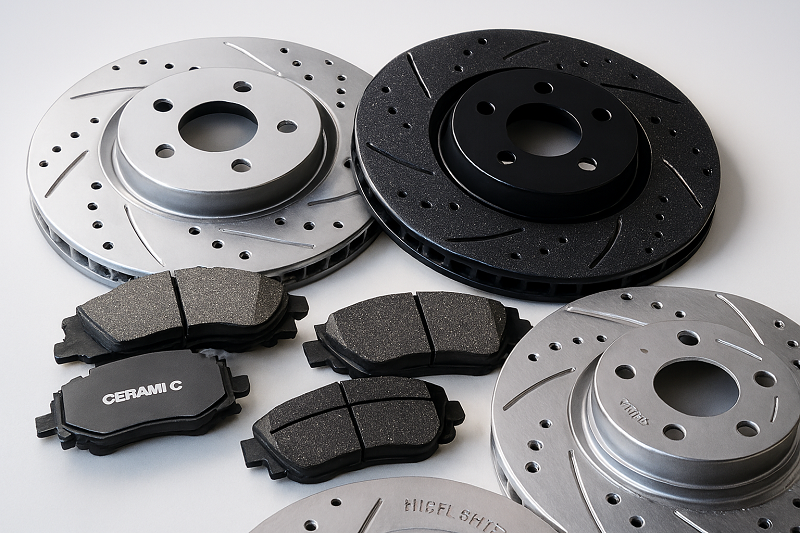
When to Consider Upgrading: Enhancing Your Braking System Components
While factory braking systems are more than adequate for everyday driving, there are scenarios where upgrading components can yield significant improvements in performance, safety, and driver confidence. An upgrade isn't just for race cars; it can be a smart investment for anyone who tows heavy loads, enjoys spirited driving, or has increased their vehicle's horsepower.
Performance Benefits of Upgraded Calipers and Pads
Upgrading from standard floating calipers and organic pads to performance-oriented components is one of the most impactful modifications you can make to a vehicle. The benefits are tangible and immediate.
Benefits of Upgraded Calipers (e.g., Multi-Piston Fixed Calipers):
- Increased Stopping Power: Performance calipers, which are typically a fixed design with multiple pistons (e.g., four, six, or even eight), apply clamping force more evenly across a larger brake pad. This results in a stronger, more consistent bite on the rotor and can measurably shorten stopping distances.
- Improved Heat Dissipation: Upgraded calipers are often larger and constructed from aluminum instead of cast iron. This increased surface area and improved material thermal conductivity allow them to shed heat much more effectively. Superior heat management is crucial for preventing brake fade, which is the loss of braking power after repeated, hard stops.
- Better Pedal Feel and Modulation: The rigid mounting of a fixed caliper means it flexes far less under pressure than a standard floating caliper. This rigidity translates directly to a firmer, more responsive brake pedal. Drivers experience better feedback and can more precisely control, or "modulate," the amount of braking force being applied.
Benefits of Upgraded Brake Pads (e.g., Performance Semi-Metallic or Ceramic):
- Greater Friction and Bite: Performance pads are formulated with compounds that have a higher coefficient of friction. This provides a more aggressive initial "bite" and stronger overall stopping power, especially once they reach their optimal operating temperature.
- Higher Thermal Threshold: The primary advantage of a performance pad is its resistance to brake fade at high temperatures. Whether on a track or descending a long, steep grade, these pads maintain their effectiveness long after standard organic pads would have begun to lose performance.
- Durability Under Stress: While some aggressive race pads may wear faster, many high-quality performance street pads are designed for enhanced durability and can offer a longer service life than stock pads when subjected to demanding conditions.
- Reduced Dust and Noise (with Performance Ceramics): For drivers who want improved performance without the typical noise and dust associated with aggressive pads, performance ceramic compounds offer a great balance of quiet operation, clean wheels, and strong, consistent braking.
Factors to Consider for Optimal Component Selection
Choosing the right brake upgrade is not a one-size-fits-all proposition. A successful upgrade requires a holistic approach that balances performance goals, budget, and real-world usage.
Define Your Driving Style and Needs: The first step is an honest assessment of how you use your vehicle.
- Daily Commuting: For mostly urban or highway driving, an upgrade to premium ceramic pads and high-quality blank rotors can offer a quieter, cleaner, and longer-lasting solution than stock parts.
- Spirited Street Driving/Canyon Carving: A combination of performance semi-metallic or hybrid pads, slotted or drilled rotors, high-temperature brake fluid, and stainless steel lines will provide a significant boost in fade resistance and pedal feel.
- Towing and Hauling: Vehicles under heavy load place immense stress on brakes. Upgrading to heavy-duty pads and slotted rotors is crucial for managing heat and ensuring safe, consistent stopping power.
- Track Days/Racing: This is where a full "big brake kit"—featuring large multi-piston calipers, two-piece rotors, and track-focused pads—becomes essential to handle the extreme and repetitive heat cycles.
Compatibility and System Balance: The braking system works in harmony. Upgrading one component can affect others.
- Pads and Rotors: Always match your pads to your rotors. An aggressive track pad can quickly wear down a standard rotor, while a standard pad on a high-performance rotor won't deliver the full benefit.
- Brake Bias: Drastically changing the braking power at one end of the car (e.g., installing a big brake kit on the front only) can upset the front-to-rear brake balance (bias). This could make the vehicle unstable under hard braking and should be done with care, sometimes requiring an adjustable proportioning valve.
- Wheel Clearance: Larger performance calipers require more space. It's critical to ensure that any upgraded caliper will fit behind your existing wheels without interference.
Tires Are the Ultimate Limiter: It is crucial to remember that no matter how powerful your brakes are, your vehicle's stopping ability is ultimately limited by the grip of your tires. The best brakes in the world cannot prevent a skid if the tires lose traction with the road. Therefore, a high-performance brake upgrade should always be paired with high-quality tires that can handle the increased stopping force.
Budget vs. Benefit: Brake upgrades can range from a few hundred dollars for pads and fluid to many thousands for a complete big brake kit. For many drivers, the most cost-effective approach is a staged upgrade, starting with high-quality performance pads, rotors, and fluid before considering a more expensive caliper change.
The Crucial Role of Brake Calipers in Vehicle Safety
While components like pads and rotors are designed to wear and be replaced, the brake caliper is the enduring heart of the disc brake assembly, orchestrating the stop. Its role is absolutely fundamental to vehicle safety. A well-functioning caliper applies precise and consistent pressure to the brake pads, ensuring smooth, even braking and predictable vehicle control. In an emergency, a properly working caliper can be the difference between a safe stop and a collision.
When a brake caliper fails, it can manifest in several dangerous ways:
- Sticking or Seizing: This is one of the most common failure modes. Corrosion, debris, or old brake fluid can cause the caliper's piston or slide pins to stick.
- If the caliper sticks in the applied position, it fails to release the brake pad from the rotor. This causes constant drag, which leads to rapid and uneven pad wear, a pulling sensation, and a distinctive burning smell as the brake components severely overheat. In extreme cases, this can damage the rotor, wheel bearing, and even pose a fire risk.
- If it sticks in the retracted position, the caliper fails to apply adequate pressure—or any pressure at all—to the brake pads. This results in a severe imbalance where one brake is not doing its job, causing the vehicle to pull sharply to the side with the working brake and drastically increasing stopping distances.
- Fluid Leaks: The seals around the caliper's piston can degrade over time, leading to brake fluid leaks. A leak compromises the hydraulic pressure of the entire system. This often results in a soft, spongy brake pedal that may sink to the floor, and ultimately leads to reduced braking effectiveness or, in a worst-case scenario, total brake failure.
A malfunctioning caliper doesn't just reduce braking efficiency; it creates unpredictable and unsafe handling characteristics. The even distribution of braking force is what keeps a vehicle stable and straight during deceleration. A single faulty caliper can disrupt this balance, leading to a loss of control, especially in slippery conditions or during an emergency maneuver. For this reason, addressing any signs of caliper trouble—such as pulling, unusual noises, or a spongy pedal—is not just a matter of performance, but of fundamental road safety.
Maintaining Your Braking System Components: Best Practices from a Braking System Components Supplier
A proactive approach to maintenance is the most effective way to ensure the longevity, safety, and performance of a vehicle's braking system. As a supplier dedicated to quality, we advocate for a partnership between vehicle owners and service professionals, built on best practices for inspections, service, and daily use. Adhering to a routine of preventative care can save money, enhance safety, and extend the life of every component, from the brake pads to the master cylinder.
Regular Inspections and Service Intervals
The foundation of brake maintenance is a consistent schedule of professional inspections and service. While braking components are designed for durability, they are subjected to immense stress and will inevitably wear over time.
Importance of Professional Brake Checks
While a driver can listen for noises or feel for vibrations, there is no substitute for a comprehensive inspection performed by a trained technician. A professional brake check provides a detailed assessment of the entire system that goes far beyond a simple visual glance. Technicians have the expertise and specialized tools to identify subtle issues that an untrained eye would miss.
A professional inspection typically includes:
- Measuring Pad and Rotor Thickness: Technicians use calipers to precisely measure the thickness of brake pads and rotors, ensuring they are within safe operating limits.
- Examining Calipers and Hardware: They check for seized pistons, sticking slide pins, and damaged seals or boots that could lead to uneven wear or caliper failure.
- Inspecting Hydraulic Components: This involves checking brake lines and hoses for cracks, bulges, or leaks, and assessing the master cylinder for proper function.
- Testing Brake Fluid: The technician will check the brake fluid level and test its condition for moisture and contamination, which degrade performance.
- Performing a Road Test: A test drive helps the technician confirm any reported symptoms like pulling, vibration, or sponginess under real-world conditions.
Catching problems early through a professional inspection can prevent a minor issue, like a sticking caliper pin, from escalating into a major failure that requires replacing pads, rotors, and the caliper itself.
Recommended Service Frequency
Brake service intervals can vary widely based on vehicle type, driving habits, and operating conditions. However, a good general guideline is to have the brakes professionally inspected at least once a year or every 12,000 miles (approximately 20,000 kilometers), whichever comes first. Many drivers find it convenient to have this done during regular tire rotations.
You should have your brakes checked more frequently if you:
- Drive predominantly in heavy stop-and-go city traffic.
- Live in a hilly or mountainous area.
- Frequently tow a trailer or carry heavy loads.
- Have aggressive driving habits with frequent hard braking.
For brake fluid, most vehicle manufacturers recommend a complete flush and replacement every two to three years, regardless of mileage. This is because glycol-based brake fluid is hygroscopic and naturally absorbs moisture over time, which lowers its boiling point and can lead to internal corrosion.
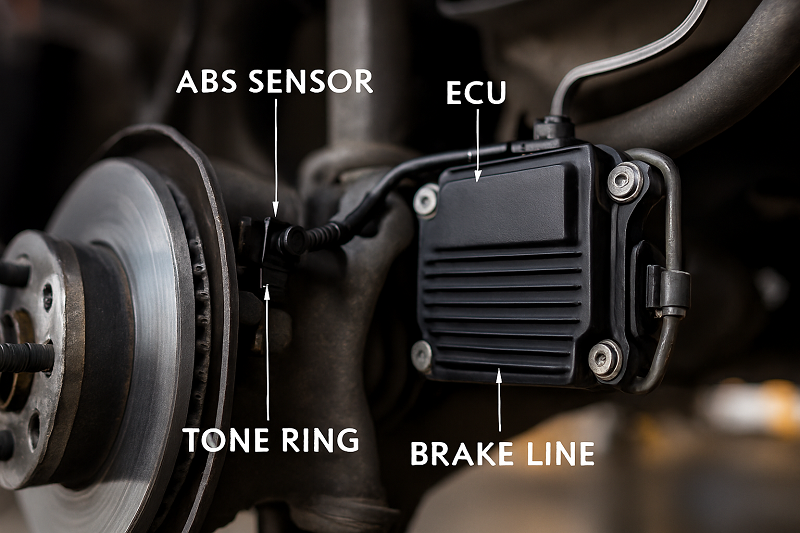
Practical Tips for Extending Component Lifespan
Beyond professional service, a driver's daily habits and simple maintenance checks can have a significant impact on how long their braking components last.
Driving Habits that Preserve Brake Integrity
How you drive is the single biggest factor influencing brake wear. Adopting a smoother, more strategic driving style can add thousands of miles to the life of your pads and rotors.
- Anticipate Stops: Look far down the road and anticipate when you will need to slow down for traffic lights, stop signs, or turns. Easing off the accelerator and allowing the vehicle to coast will reduce the amount of work your brakes have to do.
- Increase Following Distance: Tailgating forces you to react with sudden, hard braking. Maintaining a safe following distance gives you more time and space to slow down gradually.
- Avoid "Riding" the Brakes: Do not rest your foot on the brake pedal while driving. This light, constant pressure generates continuous heat and friction, which can glaze pads and warp rotors prematurely.
- Lighten the Load: Excess weight makes your engine and brakes work harder. Avoid carrying unnecessary heavy items in your vehicle. For every extra 100 pounds, your brakes must dissipate more energy to stop the car.
- Use Engine Braking on Downhills: When descending long, steep grades, shift to a lower gear. This allows the engine's natural compression to help control the vehicle's speed, giving your brakes a much-needed break from constant heat buildup.
Fluid Maintenance: Levels and Quality
Maintaining your brake fluid is a simple but critical task.
- Check the Level: Once a month, visually inspect the brake fluid reservoir in the engine bay. The fluid should be between the "MIN" and "MAX" lines. If the level is low, it could indicate worn brake pads (as fluid fills the space in the calipers) or, more seriously, a leak in the system.
- Check the Quality: Healthy brake fluid is typically clear with a light amber or yellowish tint. If the fluid in the reservoir appears dark, murky, or brown, it is likely contaminated with moisture and debris and should be flushed and replaced.
- Keep the Cap Clean: Before opening the reservoir cap, always wipe the top and surrounding area clean. This prevents dirt and debris from falling into the hydraulic system, where it could damage sensitive components like the master cylinder or ABS module.
Addressing Common Brake System Issues Promptly
Brake problems rarely fix themselves; they almost always get worse over time. Addressing common issues as soon as they appear is the key to preventing more extensive damage and ensuring your safety.
- Squealing Pads: This is the wear indicator's job. When you hear it, schedule an inspection. Don't wait for the squeal to turn into a grind.
- Spongy Pedal: This indicates a problem with the hydraulic system (air in the lines, a leak, or a bad master cylinder). It is a serious safety hazard and requires immediate professional attention.
- Vibrations: A pulsating pedal points to warped rotors. While not always an immediate emergency, it reduces braking effectiveness and should be addressed by having the rotors resurfaced or replaced.
- Pulling to One Side: This signifies a braking imbalance, most often from a stuck caliper. It compromises vehicle control and should be repaired promptly to prevent further damage and ensure safety.
By combining regular professional service with mindful driving and routine personal checks, you can ensure your vehicle's braking system remains reliable, effective, and safe for its entire service life.
Navigating the Market: Choosing the Right Braking System Components Supplier
In the complex automotive parts market, making the right choices is paramount for safety, performance, and customer satisfaction. As a dedicated braking system components supplier, we understand that navigating this landscape requires knowledge of not just the parts themselves, but also the technology behind them and the value of a trusted supply chain.
Differences Between Disc Brakes and Drum Brakes
While disc brakes dominate the front wheels of nearly all modern cars, many vehicles still use drum brakes on the rear axle. Understanding the fundamental differences is key to servicing a wide range of vehicles.
Mechanism:
- Disc Brakes use a caliper to squeeze brake pads against a spinning rotor (the disc).
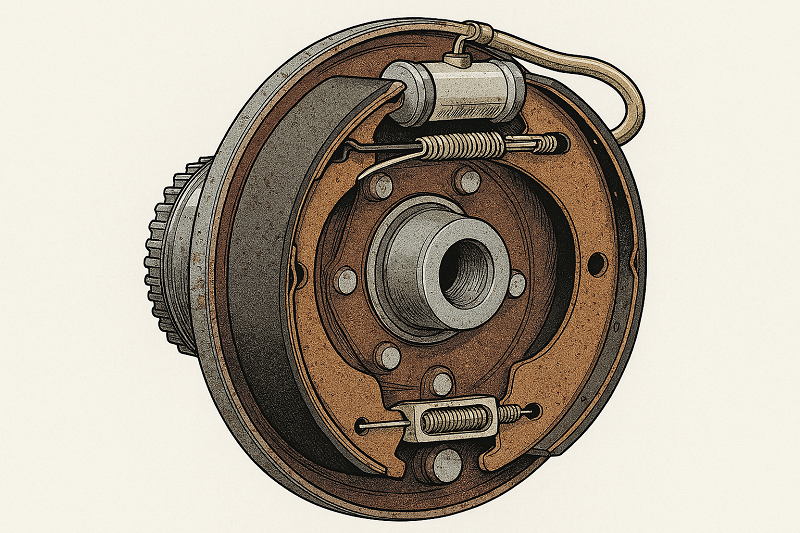
- Drum Brakes operate within an enclosed drum. When activated, hydraulic a wheel cylinder pushes curved brake "shoes" outward against the inner surface of the rotating drum.
Performance and Heat Dissipation: This is the most significant difference. Disc brake components are exposed to the open air, allowing for vastly superior cooling. This makes them highly resistant to "brake fade," a condition where performance deteriorates due to overheating during heavy use. Drum brakes, being enclosed, trap heat, making them more susceptible to fade under prolonged or intense braking. Drum brakes also perform poorly in wet conditions, as water can collect inside the drum and reduce friction.
Maintenance and Cost: Drum brake systems are generally less expensive to manufacture and can have a longer service life for their friction material, which is why they are still used on the rear wheels of many economical vehicles. However, they are more complex to service than disc brakes. Disc brakes are typically easier to inspect and their pads are simpler to replace.
Here is a summary of the pros and cons:
| Disc Brakes | Drum Brakes | |
|---|---|---|
| Pros | - Superior stopping power - Excellent heat dissipation, highly resistant to fade - Better performance in wet conditions - Self-adjusting and easier to service |
- Lower manufacturing cost - Less susceptible to corrosion due to enclosed design - Can generate high braking force with less input (self-energizing effect) |
| Cons | - Generally more expensive to manufacture and replace - Exposed components are more vulnerable to dirt and corrosion - Brake pads may wear out faster than brake shoes |
- Prone to overheating and brake fade - Poor performance in wet conditions - More complex to service due to multiple springs and parts |
Specific Caliper Recommendations for Various Vehicle Types
The ideal brake caliper varies significantly depending on the vehicle's purpose and the driver's expectations. Choosing the correct type is essential for both safety and performance.
Daily Commuter Cars: Standard single-piston floating calipers are more than sufficient for the demands of everyday driving. They are cost-effective, reliable, and provide smooth, quiet operation. Brands like Bosch and ACDelco offer high-quality, OEM-level replacement calipers that ensure reliability and quiet performance, making them excellent choices for passenger cars.
Trucks and SUVs: These heavier vehicles require more robust braking systems, especially if used for towing or hauling. Upgraded floating calipers or entry-level multi-piston fixed calipers are a smart investment.
- Power Stop Z36 truck and tow calipers are specifically engineered for heavy-duty applications, offering improved heat resistance and are often paired with carbon-fiber ceramic pads for a strong, fade-free bite.
- TRW Automotive Calipers are known for their durability and corrosion-resistant coatings, making them a great value for SUVs and trucks that face challenging daily driving or harsh weather conditions.
- EBC Brakes Yellowstuff Calipers provide exceptional stopping power for vehicles that are frequently used for towing or off-roading, where intense performance is vital.
High-Performance and Sports Cars: For vehicles built for speed and handling, multi-piston fixed calipers are the standard. They provide the immense, fade-free stopping power and precise modulation needed for spirited driving or track use.
- Brembo is a world-renowned leader, and their fixed multi-piston calipers are the benchmark for high-end performance, offering superior heat dissipation and clamping force.
- Wilwood offers a wide range of lightweight aluminum multi-piston calipers, like their Superlite series, that deliver exceptional performance for both street and track applications.
- Akebono provides advanced calipers known for balancing high performance with very low noise and dust, making them a popular OEM and upgrade choice for many luxury and performance vehicles.
Ultimately, the right caliper must be compatible with the vehicle’s weight, master cylinder, and braking bias.
The Value of Quality Components from a Reliable Braking System Components Supplier
In a safety-critical system like brakes, the quality of each part is non-negotiable. Opting for cheap, low-quality components can lead to premature wear, poor performance, and even catastrophic failure. Investing in high-quality Braking System Components from a reputable supplier provides tangible benefits.
- Safety and Reliability: Quality parts are manufactured to meet or exceed Original Equipment Manufacturer (OEM) specifications. They undergo rigorous testing to ensure they perform reliably under all conditions, providing shorter stopping distances and preventing dangerous issues like brake fade.
- Performance and Consistency: Premium components provide a better driving experience. This can mean a firmer pedal feel, quieter operation, and smooth, consistent braking power every time you press the pedal.
- Durability and Longevity: While high-quality parts may have a higher initial cost, they are made from superior materials designed to withstand heat and wear. This results in a longer lifespan, fewer replacements over time, and reduced long-term maintenance costs.
- Proper Fit and Compatibility: A reliable supplier ensures that the parts you receive are a perfect fit for the intended vehicle. This eliminates installation headaches and guarantees that all components will work together as a balanced system, which is crucial for optimal performance.
The debate between OEM vs. Aftermarket parts is common. OEM parts guarantee a perfect fit and original performance. However, high-quality aftermarket parts from a trusted supplier can offer significant advantages. They often provide an opportunity to upgrade performance over the stock components—for instance, by offering better materials or improved designs—at a competitive price point.
Partnering with a knowledgeable and trustworthy braking system components supplier is key. A reputable supplier doesn't just sell parts; they provide expertise, stand behind their products with strong warranties, and offer a range of options to suit different needs and budgets, ensuring you always have the right component for the job.
Conclusion
Understanding your car's braking system is vital for safety and performance. As we've explored, each component, from the powerful clamp of the calipers to the incompressible nature of the brake fluid, plays a critical and interconnected role in bringing your vehicle to a safe stop. The performance of these parts is not a place for compromise.
By choosing high-quality parts and adhering to a regular schedule of inspection and maintenance, you ensure not only the longevity of your vehicle but, more importantly, the safety of yourself, your passengers, and others on the road. Being proactive about brake care and making informed decisions about component selection are the cornerstones of responsible vehicle ownership.
At SOMI Custom Parts, we are manufacturers and suppliers of automotive braking system components, and we also provide OEM services to our global customers. We are committed to supplying the best braking solutions to meet your needs and exceed your expectations, ensuring every stop is a safe one. Thank you for joining us on this deep dive into the world of automotive brakes. Drive safely, and don't hesitate to share this guide with others who could benefit from a clearer understanding of this critical system.