Bosses, Ribs, and Pockets: Design Features That Improve CNC Machinability
Bosses, Ribs, and Pockets: Design Features That Improve CNC Machinability
A practical guide to designing bosses, ribs, and pockets for CNC machining so your parts are easier to make, more accurate, and more cost-effective.
Introduction: Small Design Features Have a Big Impact
When engineers review a CNC part drawing, they often focus on dimensions, tolerances, and material. But some of the most important manufacturability decisions are embedded in smaller geometric features: bosses, ribs, pockets, and internal corners. These features influence cycle time, fixturing, tool selection, surface finish, and final part cost.
This guide explains how to design bosses, ribs, and pockets that improve CNC machinability without sacrificing function. Following these guidelines can reduce quoting revisions, shorten lead times, and produce more consistent results across production batches.
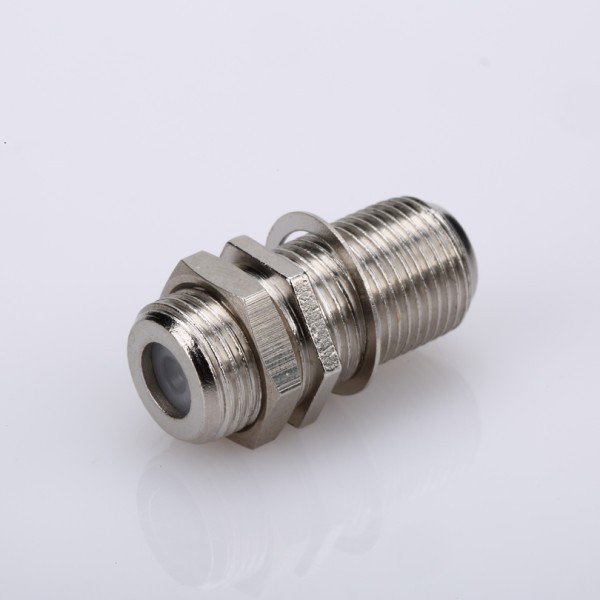
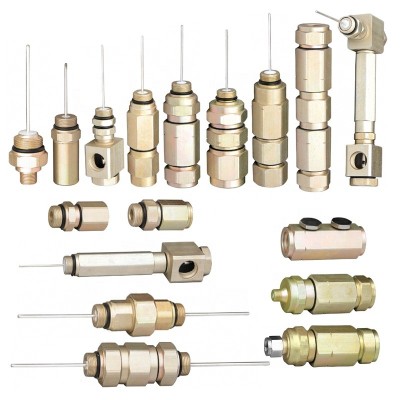
Threaded bosses and precision features are common design elements in CNC machined parts.
What Are Bosses, Ribs, and Pockets in CNC Design?
Bosses are raised cylindrical features that provide extra material around holes, threads, or mounting points. They are especially useful in thin-wall parts where a standard tapped hole would not have enough engagement.
Ribs are thin raised walls that add stiffness without the weight of a solid section. They are commonly used in lightweight frames, brackets, enclosures, and structural links.
Pockets are recessed cavities machined into a part to reduce weight, create clearance, or house components. Open pockets are easier to machine than deep, enclosed cavities with narrow openings.
Boss Design Guidelines
Bosses add localized material where strength or thread engagement is needed. A poorly designed boss can deflect during machining or create weak threads in service.
- Keep bosses short and stocky. A height-to-thickness ratio of 3:1 or less is recommended. Tall, thin bosses tend to chatter during machining and measure smaller at the top than at the base.
- Provide enough outer diameter. The boss diameter should be at least twice the nominal thread diameter to prevent thread stripping in aluminum.
- Ensure perpendicularity. Bosses on angled or curved surfaces should be spot-faced or machined flat before drilling to ensure the tapped hole is perpendicular to the mating surface.
- Use inserts for repeated assembly. For aluminum parts that will be assembled and disassembled frequently, steel thread inserts such as Helicoils improve durability.
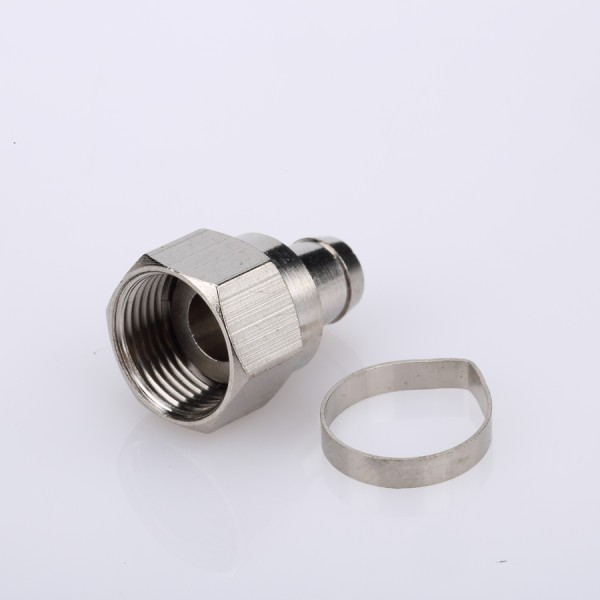
Proper boss design ensures strong threads and stable machining.
Rib Design Guidelines
Ribs are effective for adding stiffness-to-weight ratio, but they must be designed with machining constraints in mind.
- Follow load paths. Ribs should be oriented along the principal stress directions. Longitudinal ribs resist bending; cross ribs resist torsion.
- Limit unsupported height. Thin ribs that are too tall vibrate during cutting. A practical guideline is rib height no more than 5 to 10 times the wall thickness.
- Use generous fillets at the base. Fillets reduce stress concentration and allow larger cutters to be used, improving surface finish and reducing cycle time.
- Leave tool access. Ribs should not trap cutters inside enclosed spaces. Open rib patterns are significantly easier and more economical to machine.
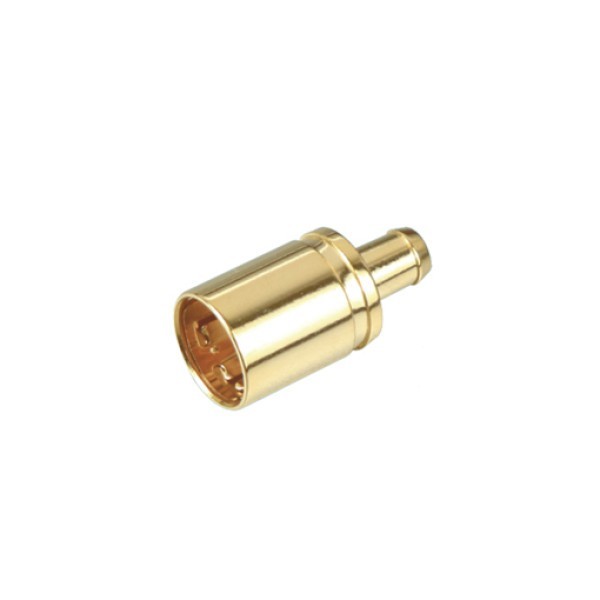
Ribs and fillets must balance structural needs with tool access during machining.
Pocket Design Guidelines
Pockets reduce weight and create space for wiring, electronics, or fluid channels. Their design strongly affects machining time and accuracy.
- Limit depth-to-width ratio. A practical rule is to keep pocket depth no more than 3 to 4 times the cutter diameter. Ratios above 5:1 require long-reach tools and increase chatter risk.
- Design for standard end mills. Slot widths that match standard cutter diameters — such as 3, 4, 5, 6, 8, and 10 mm — avoid extra tool changes.
- Add internal radii. Sharp internal corners are impossible in milling. A minimum internal radius of 0.5 mm is recommended; R1 to R3 mm is typical for general work.
- Consider residual stress. Removing a large amount of material from one side of a plate can cause warping. Symmetrical material removal and stress-relieved stock help control distortion.
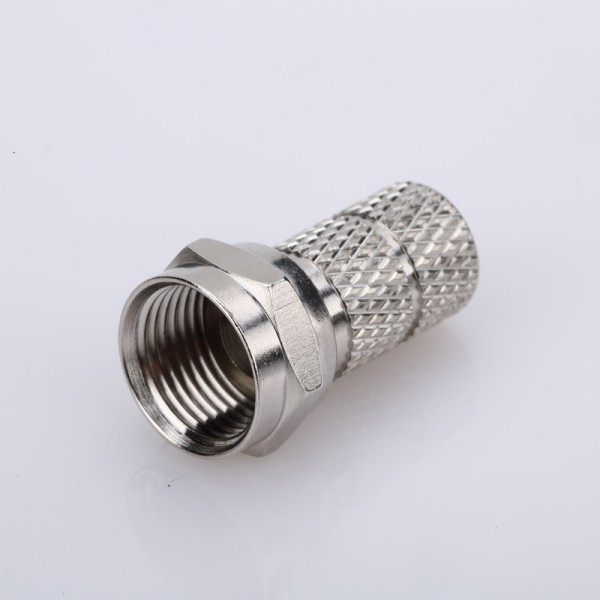
Pocket depth, corner radii, and wall thickness are key factors in CNC manufacturability.
How SOMI Custom Parts Can Help
At SOMI Custom Parts, we review every design for manufacturability before programming. Our engineers look at wall thickness, internal radii, pocket depth, boss geometry, and rib patterns to identify features that may increase cost or reduce quality.
Through our CNC machining services, we can produce parts with complex features in aluminum, steel, stainless steel, brass, and titanium. If your design is not yet optimized for machining, we provide DFM feedback that helps you reduce setup time, improve tolerances, and lower unit cost. Send us your drawing for a free manufacturability review.
Frequently Asked Questions
What is the minimum wall thickness for CNC machined aluminum parts?
For general aluminum parts, walls of 1.5 mm or thicker are preferred. Very thin walls can chatter and deform. Steel parts typically require walls of 2 mm or more for stability.
Why must internal corners have a radius in CNC milling?
CNC end mills are round, so they cannot produce perfectly square internal corners. Specifying a radius avoids the need for secondary operations such as EDM or grinding.
Can SOMI machine deep pockets with tight tolerances?
Yes, but depth-to-width ratio, tool access, and material must be considered. We review each pocket feature and recommend geometry adjustments where needed.
Do I need to specify thread inserts in my drawing?
If the part will be assembled and disassembled repeatedly, specifying inserts such as Helicoils or Keenserts improves thread life, especially in aluminum.
Conclusion
Bosses, ribs, and pockets are some of the most useful — and most frequently misunderstood — features in CNC part design. Getting them right means stronger parts, faster machining, lower cost, and fewer production surprises. By following the guidelines in this article, you can produce designs that are easier to quote, easier to machine, and more reliable in service.
When you are ready to source your next CNC machined part, contact SOMI Custom Parts for engineering support from drawing review through production.