A Guide to Wholesale Premium Custom Metal Stamping Parts for the Electronics Industry
Powering the Future: The Critical Role of Custom Metal Stamping in Electronics
The electronics industry moves at a blistering pace, with relentless demand for smaller, faster, and more powerful devices. Behind every smartphone, electric vehicle (EV), and smart home appliance are countless intricate metal components that make it all possible. Precision metal stamping is the high-speed, high-volume manufacturing process responsible for creating these essential parts, from connectors and terminals to shielding and casings. For businesses looking to compete, sourcing wholesale premium custom metal stamping parts isn't just an option—it's a strategic necessity to ensure quality, scalability, and innovation.
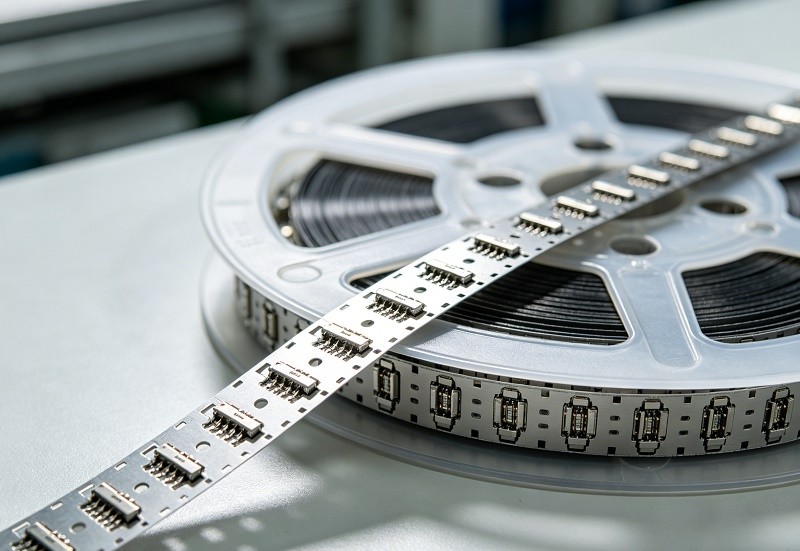
Why Precision Metal Stamping Dominates Electronics Manufacturing
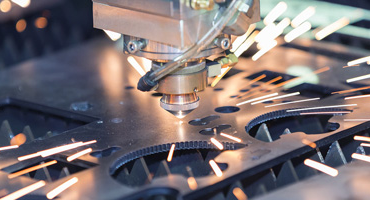
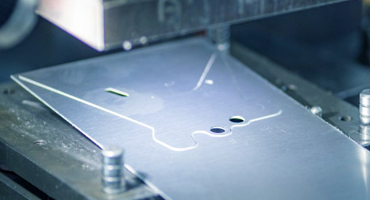
Metal stamping uses a die and press to form or cut sheet metal into a desired shape. This method is favored in electronics for several key reasons. First, it delivers exceptional precision and consistency, even with incredibly tight tolerances measured in micrometers. In a world of micro-connectors and high-density PCBs, this level of accuracy is non-negotiable. Second, the process is incredibly fast and cost-effective for large production runs, making it ideal for the massive scale of the consumer electronics market. Automation ensures that millions of identical parts can be produced with minimal human error, guaranteeing reliability across the board.
Core Applications of Stamped Parts in Electronic Devices
Stamped metal components are ubiquitous in nearly every electronic device. Their functions are diverse yet critical for performance and longevity.
Common applications include:
- Connectors and Terminals: Ensuring stable electrical connections for data and power transfer in components like USB-C, HDMI, and board-to-board connectors.
- EMI/RFI Shielding: Protecting sensitive circuits from electromagnetic and radio frequency interference, which is crucial for device performance and compliance.
- Housings and Enclosures: Providing structural integrity and protection for delicate internal components, such as smartphone frames and PCB card cages.
- Battery Contacts and Clips: Creating reliable power connections for everything from small consumer devices to large-scale EV battery systems.
- Heat Sinks and Busbars: Managing thermal output and distributing high currents efficiently, especially important in power electronics and electric vehicles.
Choosing the Right Material for Optimal Performance
Material selection is a critical step that directly impacts a component's conductivity, strength, corrosion resistance, and cost. The choice depends entirely on the part's function within the electronic assembly.
| Material | Key Properties | Common Applications |
|---|---|---|
| Copper Alloys | Excellent electrical & thermal conductivity, malleable | Terminals, connectors, contacts, busbars |
| Stainless Steel | High strength, corrosion resistance, durability | Housings, brackets, structural components, springs |
| Aluminum | Lightweight, good conductivity, corrosion resistant | Heat sinks, enclosures, chassis, shielding |
| Beryllium Copper | High strength & conductivity, non-magnetic | Spring contacts, connectors, relays |
| Phosphor Bronze | Good conductivity, wear resistance, springiness | Terminals, fuse clips, switch parts, connectors |
Copper and its alloys are often the top choice for parts requiring high electrical conductivity. For structural parts or those exposed to harsh environments, stainless steel offers unmatched durability.
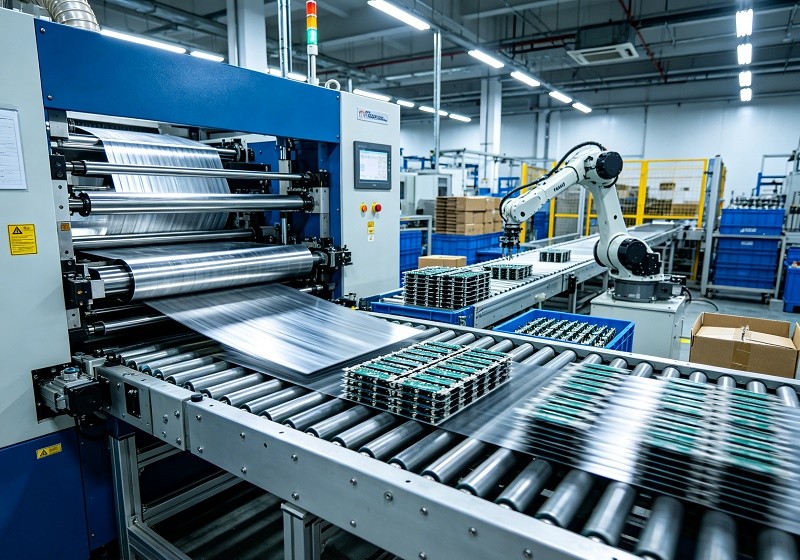
The Advantages of Progressive Die Stamping for High-Volume Orders
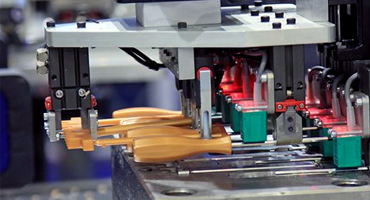
For high-volume wholesale production, progressive die stamping is the gold standard. This advanced technique involves feeding a continuous coil of metal through a die containing multiple stations. Each station performs a different operation—cutting, bending, punching, or coining—sequentially. The result is a highly efficient process that produces complex parts at incredible speeds (often 500-1,200 strokes per minute) with minimal material waste. This makes it the most cost-effective method for manufacturing the millions of components required by the electronics industry.
Customization: The Key to Innovation in Electronics
The need for unique and complex components is a constant in electronics design. Standard, off-the-shelf parts often can't meet the specific requirements of a new product. Custom metal stamping allows engineers to design parts that fit their exact specifications for size, shape, and functionality. This flexibility enables the creation of more compact, efficient, and innovative products. A manufacturer that offers in-house tool and die creation can rapidly move from prototype to mass production, a crucial advantage in the fast-paced electronics market.
Quality Assurance: Non-Negotiable in Electronic Components
In electronics, a single faulty component can lead to device failure. That's why rigorous quality control is paramount. Reputable stamping manufacturers implement comprehensive quality assurance processes, including automated vision inspection systems and 2.5D measuring machines, to ensure every part meets spec. Certifications like ISO 9001 demonstrate a commitment to maintaining the highest quality standards throughout the manufacturing process.
The Role of Secondary Operations in Providing a Finished Product
Often, a stamped part requires additional processing before it's ready for assembly. These secondary services add value and can streamline a customer's supply chain. Common secondary operations include:
- Plating: Applying finishes like tin, nickel, silver, or gold to improve conductivity, enhance corrosion resistance, or aid in soldering.
- Heat Treating: Altering the metal's physical and mechanical properties to increase hardness and strength.
- Deburring: Removing sharp edges and burrs left over from the stamping process.
- Assembly: Joining stamped parts with other components to create sub-assemblies.
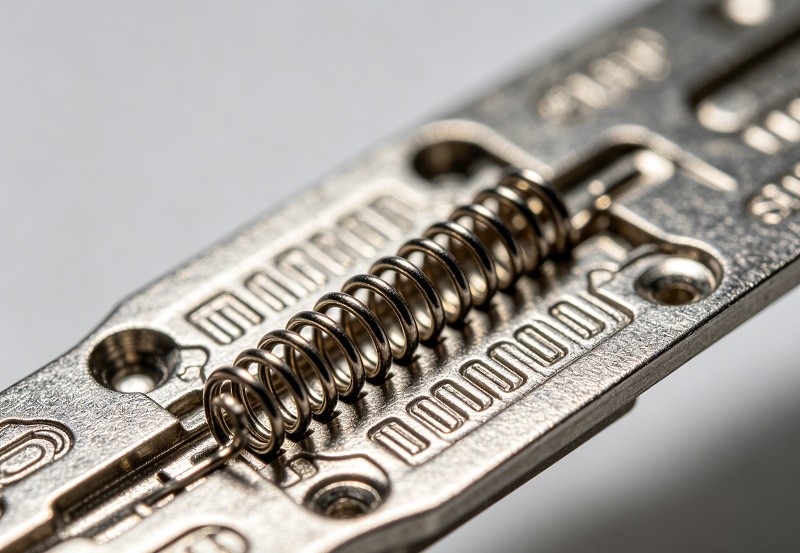
High-Speed Stamping and Automation
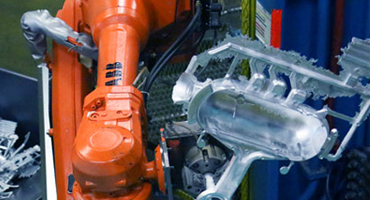
To meet the intense demand from the electronics market, manufacturers rely on high-speed presses and automation. These machines can operate at exceptionally high speeds, producing parts rapidly and consistently. Robotics are often integrated to handle part transfer and tool changes, maximizing output and minimizing downtime. This level of automation is essential for fulfilling large wholesale orders efficiently and affordably.
Partnering with the Right Wholesale Stamping Manufacturer
Choosing the right manufacturing partner is crucial for success. Look for a supplier with deep industry experience, robust in-house tooling capabilities, and a proven track record of quality and reliability. An ideal partner acts as more than just a supplier; they provide design and engineering support to help optimize your parts for manufacturability, reducing costs and improving performance.
Conclusion: Your Foundation for High-Quality Electronics
Premium custom metal stamped parts are the unseen yet essential foundation of the modern electronics industry. Their precision, reliability, and cost-effectiveness at scale enable the innovation we see every day. By partnering with an expert wholesale stamping provider, you secure a supply chain built on quality, efficiency, and engineering excellence, empowering you to build the next generation of electronic devices.